Virgin Atlantic Concorde: Sir Richard Branson's Quixotic Supersonic Quest
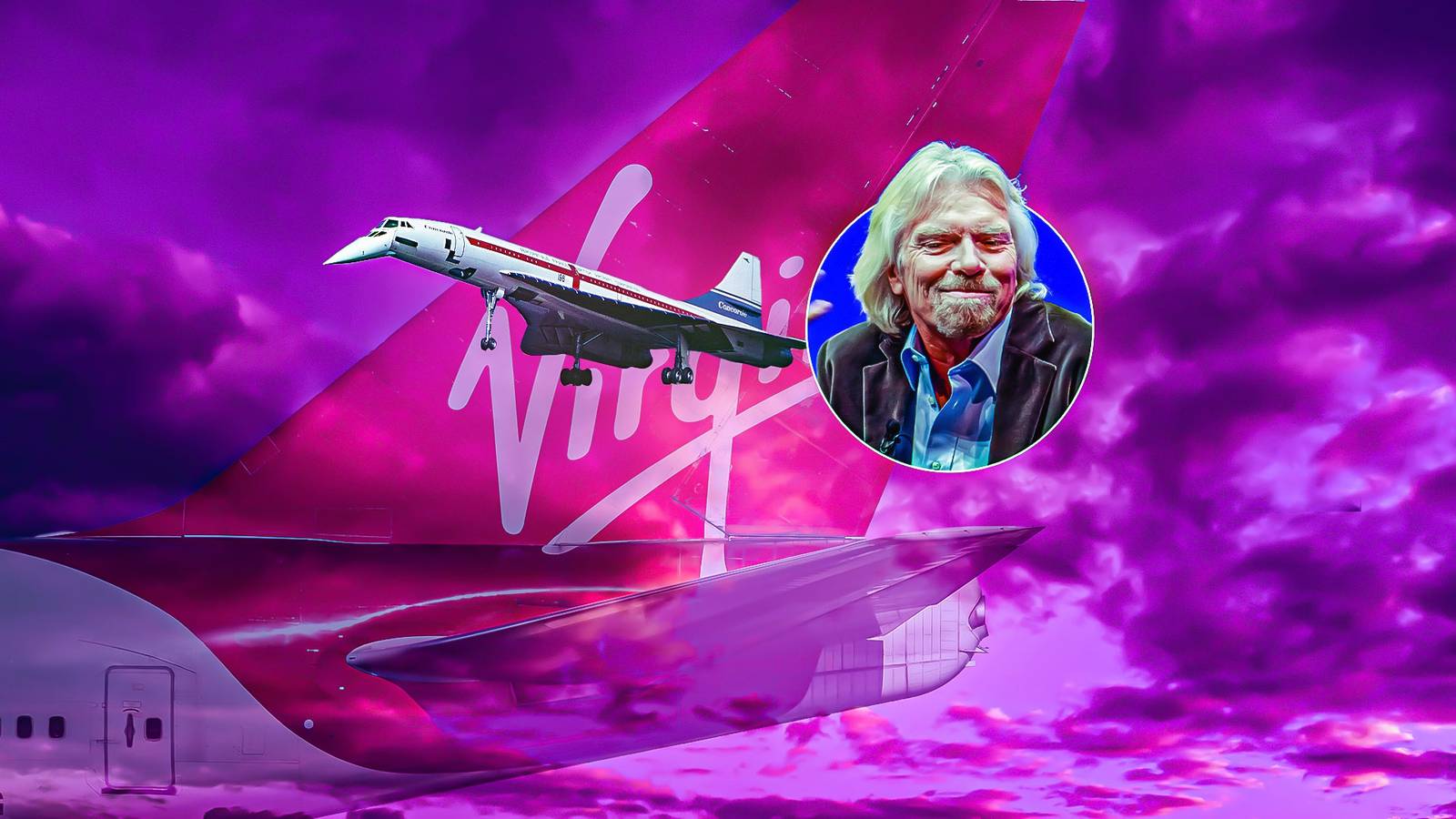
Sir Richard Branson's multi-year campaign to resurrect supersonic commercial aviation through Virgin Atlantic represents one of the most persistent and commercially ambitious bids in modern aviation history. Beginning the day after British Airways and Air France announced Concorde's retirement on April 10, 2003, Branson moved quickly with an opening offer of £1 per aircraft — mirroring the nominal price BA had originally paid — before escalating to £1 million and ultimately £5 million per airframe. His operational plan was substantive rather than symbolic: Virgin intended to fly the five most airworthy Concordes on routes to Dubai, Washington, New York, and Barbados, while cannibalizing the two grounded airframes for spare parts. Even acknowledging the possibility of unprofitability, Branson proposed a charitable heritage trust to keep at least two aircraft flying, backed by an initial personal donation of £1 million. British Airways' refusal to sell under any terms prompted Virgin Group to publicly characterize the decision as "industrial vandalism," and Branson subsequently sought intervention from the UK government's Trade and Industry Secretary.
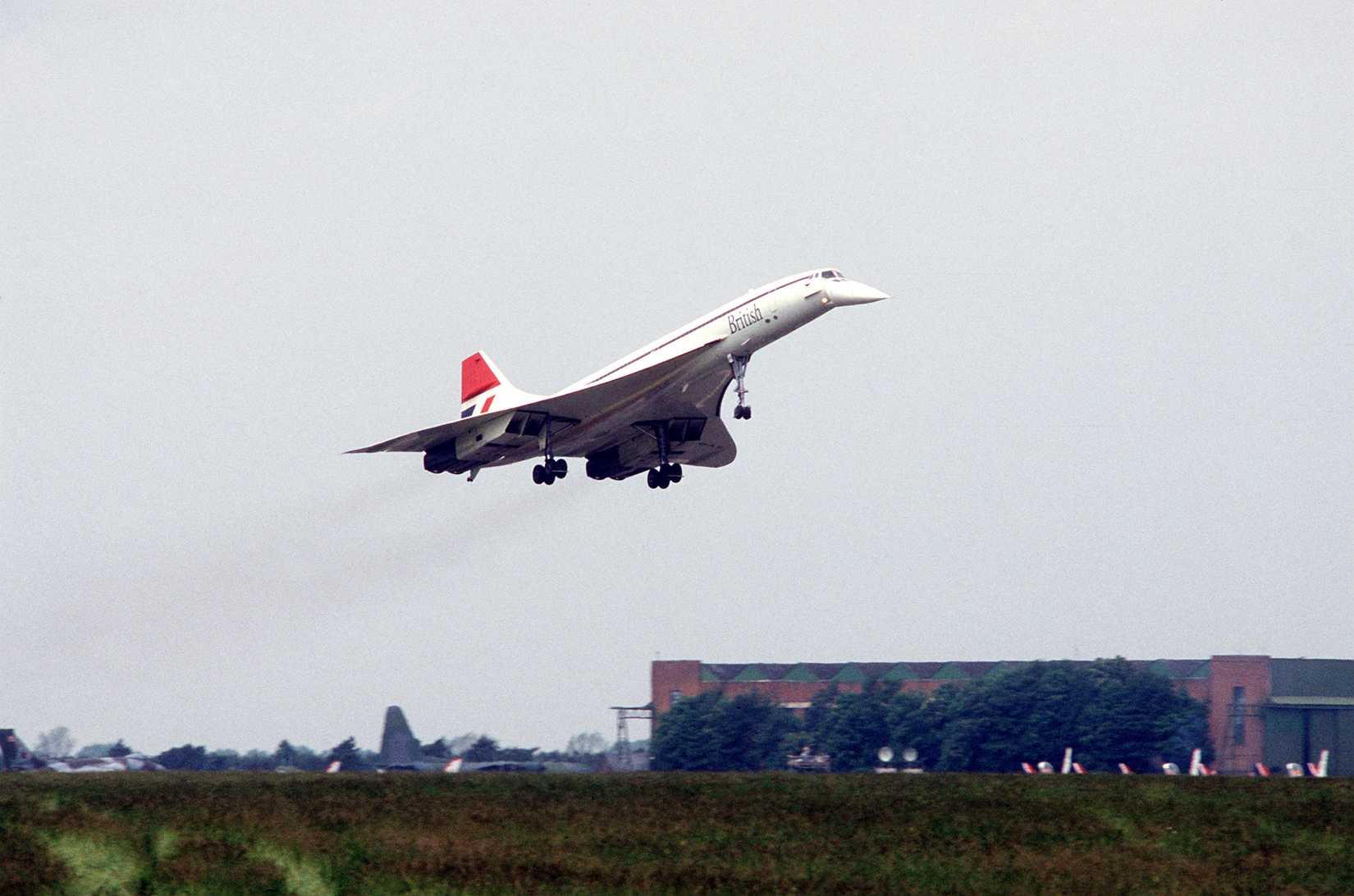
The commercial context surrounding Branson's bid reflects the compounding disasters that made Concorde economically irretrievable by 2003. The July 2000 crash of Air France Flight 4590 — caused by titanium debris shed from a Continental Airlines DC-10 moments before takeoff at Charles de Gaulle — killed 109 passengers and crew and four people on the ground. The accident's devastating visibility among the high-net-worth demographic that Concorde served accelerated passenger attrition that British Airways had only recently arrested by repositioning the aircraft as a super-premium product. Fuel economics further undermined viability: at 6,771 gallons per flight, Concorde's fuel burn was structurally incompatible with post-9/11 demand suppression and rising energy costs. For operators, the aircraft's operational profile — four Olympus 593 turbojets producing 38,050 lbf of thrust each with afterburner engaged during transatlantic cruise, operating at Mach 2 above 60,000 feet — created noise and emissions profiles that were increasingly untenable under emerging environmental regulatory frameworks.
For working airline and business aviation professionals, Branson's failed Concorde acquisition attempts illuminate a recurring dynamic in high-value aircraft transactions: the non-economic motivations of sellers. British Airways had received its Concordes for £1 each from the government, operated them profitably in the final years through premium positioning, and then chose preservation over operational continuation. The decision had brand, liability, and reputational dimensions that no escalating cash offer could resolve. For Part 91 and charter operators familiar with the logic of fractional and block-hour transactions, the lesson is recognizable — asset sellers frequently optimize for outcomes other than maximum sale price, particularly when reputational exposure or regulatory liability attach to continued operations. The airworthiness certification and spare parts supply chain issues Branson would have inherited were also non-trivial; Concorde's type certificate and production support infrastructure were effectively orphaned upon retirement, making any operational restart a regulatory and logistical undertaking with no precedent in modern commercial aviation.
Branson's Concorde pursuit fits within a broader pattern of supersonic commercial aviation revival efforts that has intensified considerably in the two decades since retirement. The intervening years have seen serious capital deployment into ventures including Boom Supersonic's Overture program, Aerion's now-defunct AS2 business jet, and Spike Aerospace's S-512, all targeting either commercial or business aviation markets. These programs reflect sustained demand signals from corporate flight departments and ultra-high-net-worth travelers willing to pay significant premiums for time compression on transatlantic and transpacific routes. Regulatory evolution has also progressed, with the FAA's 2020 rulemaking on supersonic noise certification standards representing the first substantive update since the original Concorde-era overland sonic boom prohibitions. Branson's quixotic but earnest campaign to preserve and operate Concorde, viewed through the lens of 2026, reads less as nostalgia and more as an early entrepreneurial recognition that the market for supersonic transport was never truly dead — only awaiting the technology and regulatory conditions to support a financially sustainable return.






 Read original article