Aircraft Reviews | Plane & Pilot Magazine
Plane & Pilot Magazine's aircraft reviews section represents one of the most extensive pilot-written evaluation archives in general aviation publishing, covering a broad spectrum of aircraft types from legacy Cessna and Piper platforms to modern light sport and experimental designs. Operating under the Flying Media umbrella alongside FLYING Magazine, Plane & Pilot has cultivated a review methodology grounded in firsthand flight data rather than manufacturer-supplied specifications, giving working pilots a practical lens through which to evaluate ownership and operational decisions. The archive — accessible through planeandpilotmag.com and spanning hundreds of individual reviews — functions as a de facto buyer's guide for the GA community, with content organized to address handling characteristics, real-world performance numbers, and total cost of ownership across a wide range of mission profiles.
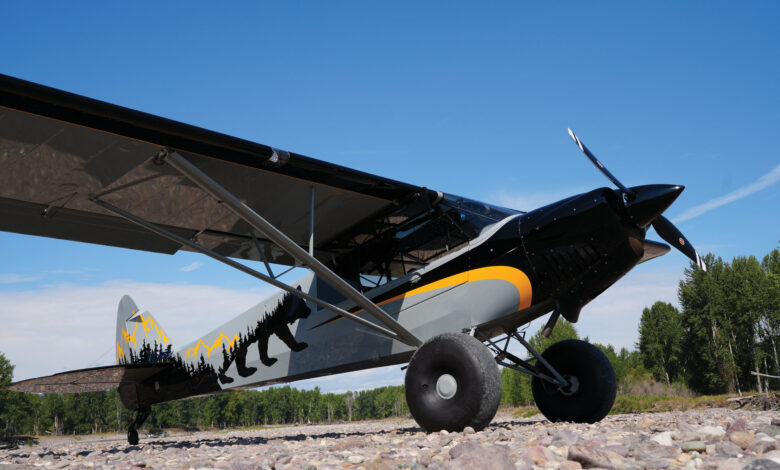
Recent reviews illustrate the publication's editorial range and its increasing attention to emerging aircraft categories. The Legend Nomad, reviewed with attention to its Rotax-powered short-field performance and 1,500 fpm climb rate, reflects growing industry interest in high-performance Cub-class designs that blend bush flying capability with modern engineering. Similarly, coverage of the Pipistrel Sinus motorglider — characterized by reviewers as a "Prius with Wings" for its fuel efficiency — signals the magazine's engagement with the broader electrification and efficiency conversation reshaping light aviation. For Part 91 operators, flight school operators, and aircraft acquisition departments evaluating additions to a fleet, these pilot-authored assessments provide context that manufacturer performance charts alone cannot supply, including crosswind handling tendencies, engine-out scenarios, and resale value trajectories.
For professional pilots operating in corporate or charter environments, Plane & Pilot's review content carries relevance beyond personal aircraft shopping. Familiarity with LSA and light piston aircraft dynamics informs currency decisions, insurance qualification discussions, and the kind of comparative knowledge base that underpins sound aeronautical decision-making. Flight departments evaluating supplemental training platforms or personal transportation options for principals often consult independent publications precisely because the data is not filtered through a sales process. The magazine's decision to maintain open access to core review content — without hard paywalls — extends its utility to a broader professional audience that may engage sporadically rather than as dedicated subscribers.
The broader significance of Plane & Pilot's sustained review program lies in its role as institutional memory for the general aviation market. With over 50 years of coverage, the archive captures performance and ownership data on aircraft types that manufacturers no longer actively support, including discontinued production runs and orphaned type certificates that remain active in the fleet. For pilots flying legacy aircraft under Part 91 or managing aging fleets under Part 135, this historical record informs maintenance planning and airworthiness decisions in ways that current OEM documentation cannot replicate. As the GA fleet continues to age and new entrants — particularly in the electric and hybrid-propulsion space — seek market credibility, the role of established independent review outlets in setting benchmarks and shaping pilot expectations becomes increasingly consequential to the industry's transition trajectory.













 Read original article