Daher To Standardize High-Voltage Systems With Airbus, ATR
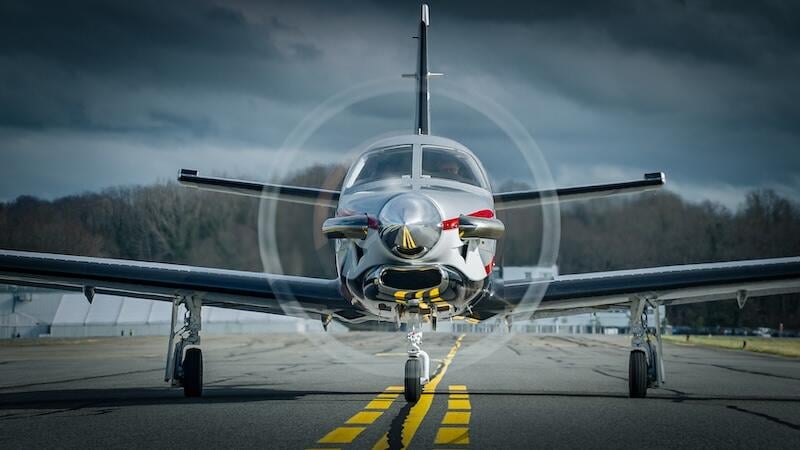
Daher, the French manufacturer best known for its TBM turboprop series, is engaged in a formal cross-industry standardization effort with Airbus and ATR aimed at establishing common hardware definitions for high-voltage electrical systems intended for next-generation hybrid-electric and more-electric aircraft architectures. The collaboration, based out of Tarbes, France, reflects a recognition among European aerospace primes that the technical groundwork for electrified propulsion must be laid at the component and system-definition level well before aircraft enter certification programs. High-voltage direct current systems in aviation—typically operating in the 270V to 540V DC range, or higher—require new design standards for wiring, connectors, protection systems, and thermal management that differ substantially from the low-voltage architectures found in current production turboprops and business jets.
The significance of this tri-party effort lies in its participants' combined reach across distinct market segments. Airbus anchors the narrowbody and widebody commercial space; ATR dominates the regional turboprop sector, where hybrid-electric conversion is considered technically and economically viable in the near term given the relatively modest power demands of short-haul, lower-altitude operations; and Daher represents high-performance single-engine turboprops serving owner-operators, charter, and light business aviation. By harmonizing component definitions early, these manufacturers are attempting to prevent the kind of fragmented supplier ecosystem that would otherwise drive up certification costs and constrain component availability—a critical concern for operators who depend on parts commonality and supply chain resilience for dispatch reliability and maintenance planning.
For professional pilots and aviation operators, particularly those flying or managing turboprop fleets in Part 91, Part 135, or regional airline environments, this development signals a meaningful shift in what future aircraft platforms will demand in terms of type-specific training, maintenance oversight, and emergency procedure familiarity. High-voltage systems introduce fault modes—arc flash hazards, thermal runaway in battery or capacitor elements, and complex electrical isolation requirements—that are categorically different from legacy pneumatic and hydraulic system failures. Operators transitioning to hybrid-electric platforms will face new ground power interface requirements and potentially novel checklist logic tied to propulsion energy management, areas where standardization at the OEM level directly shapes how training syllabi and MEL structures are eventually developed.
The broader context is one of accelerating electrification across commercial and general aviation, with European manufacturers generally ahead of their North American counterparts in committing institutional resources to hybrid-electric development pathways. ATR has publicly discussed a hybrid-electric regional aircraft concept, and both EASA and the European Union's Clean Aviation Joint Undertaking have directed substantial funding toward electrified propulsion research. Daher's participation in a standards-setting body alongside primes of Airbus's scale suggests the TBM product line's long-term evolution is being deliberately architected around compatibility with emerging high-voltage infrastructure standards, rather than as a standalone proprietary development. For fleet planners and corporate flight department directors evaluating long-cycle capital decisions, understanding that these standards efforts are underway—and that they will likely inform EASA airworthiness codes and FAA parallel harmonization work—is relevant context for assessing the realistic timeline and operational shape of the next generation of hybrid-capable turboprops entering the market.





 Read original article