Here's How Much A Business Class Ticket On Qatar Airways' Boeing 777-300ER Actually Costs In 2026
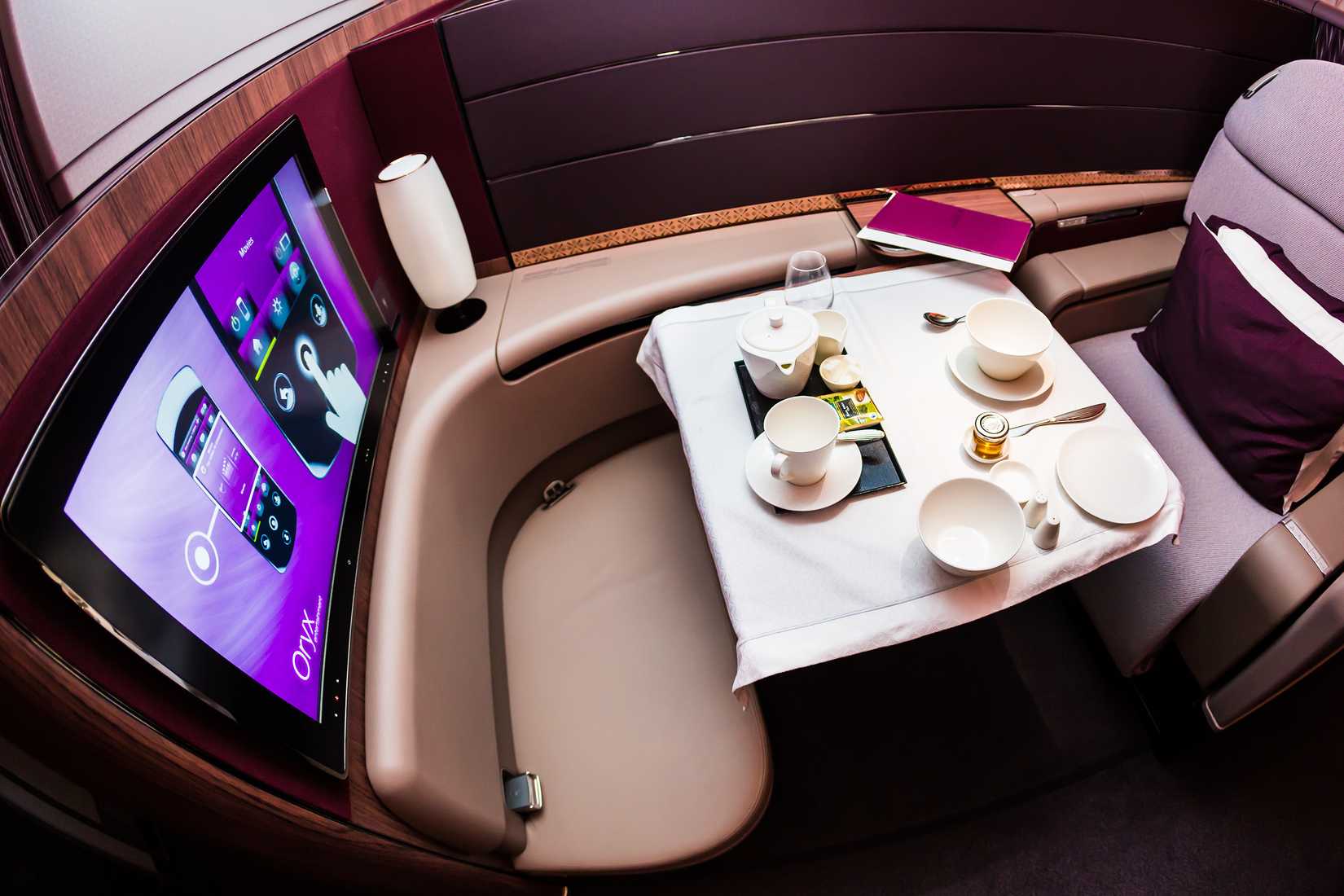
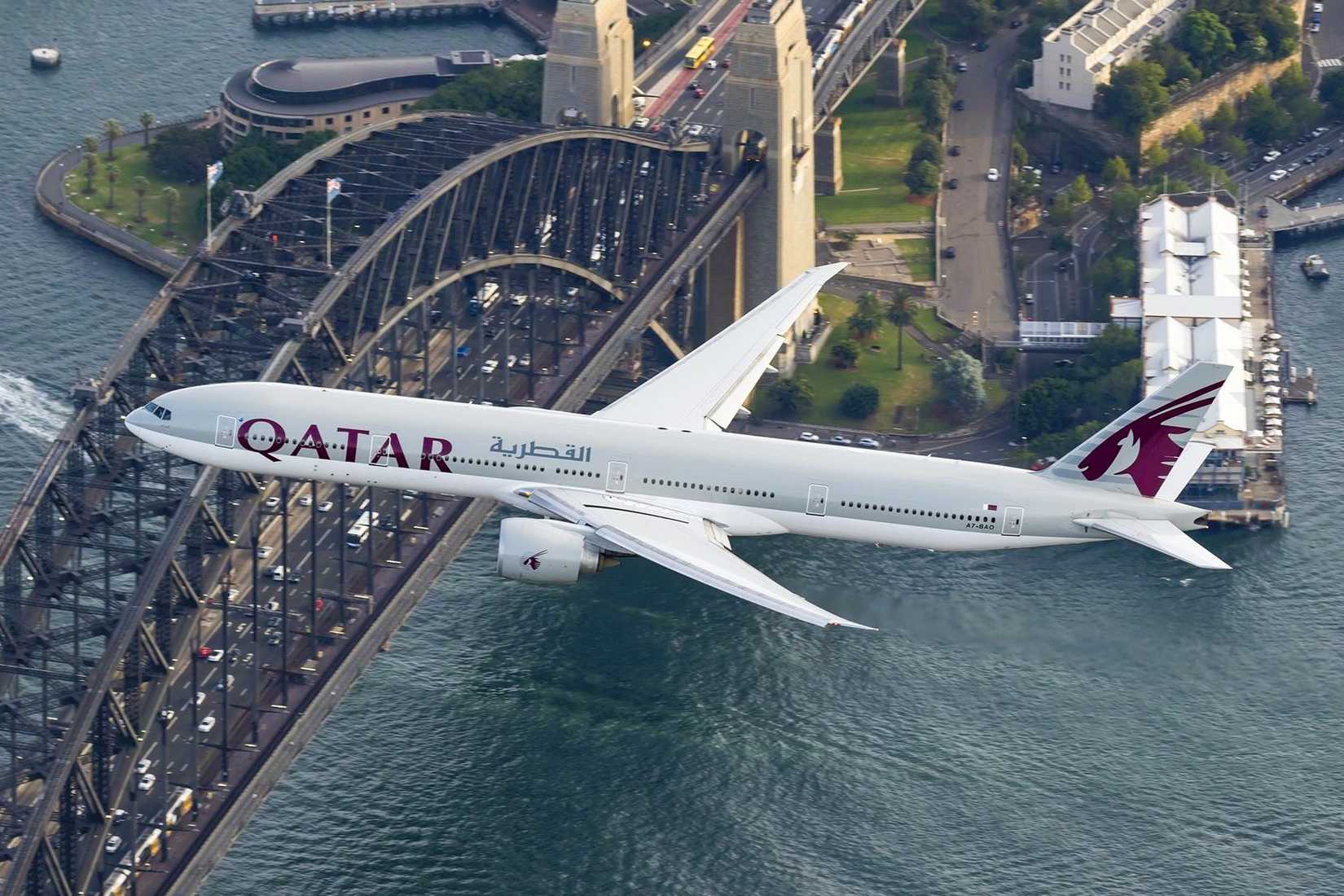
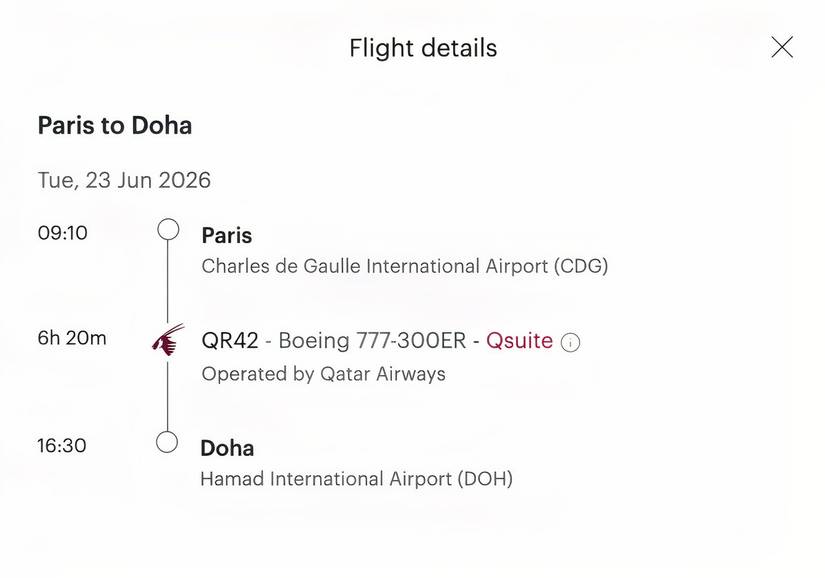
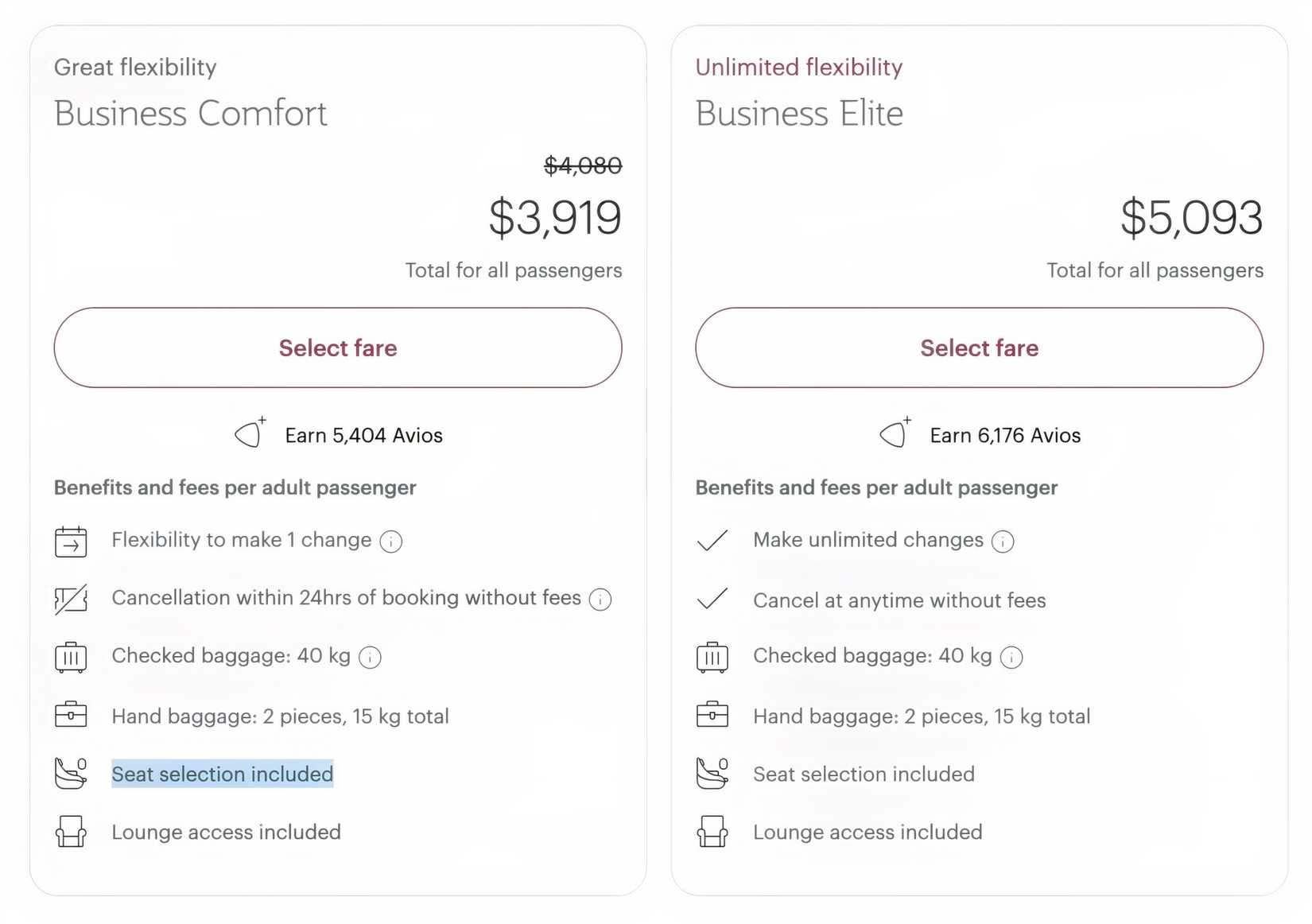
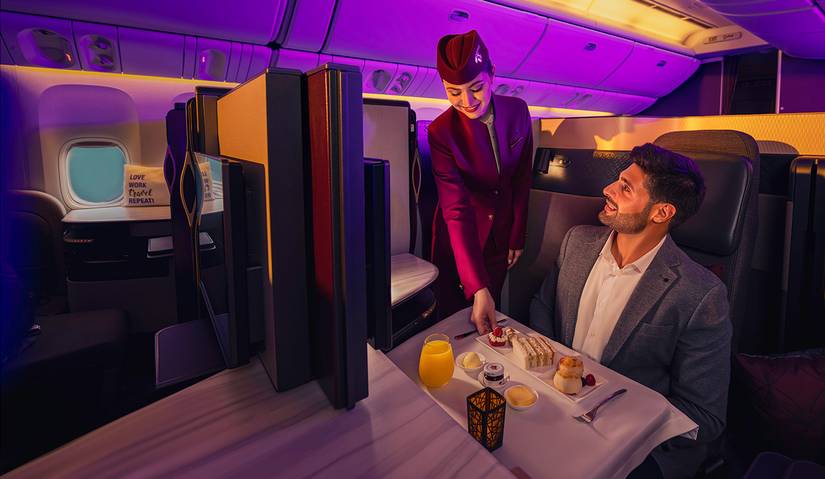
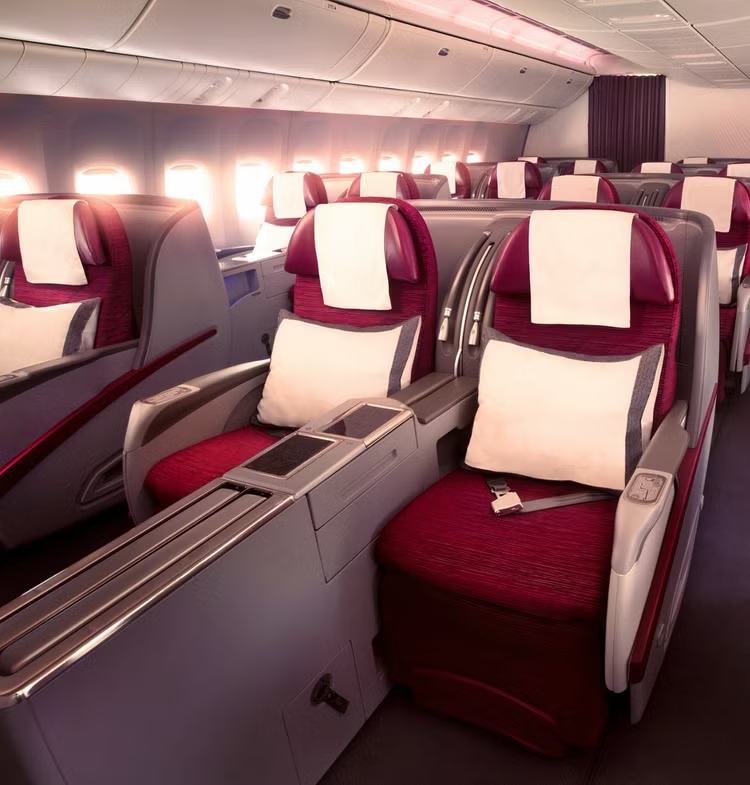
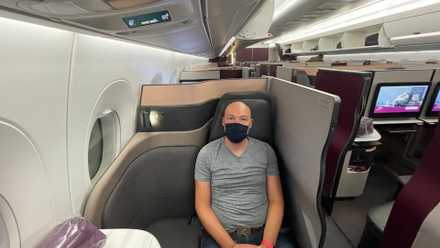
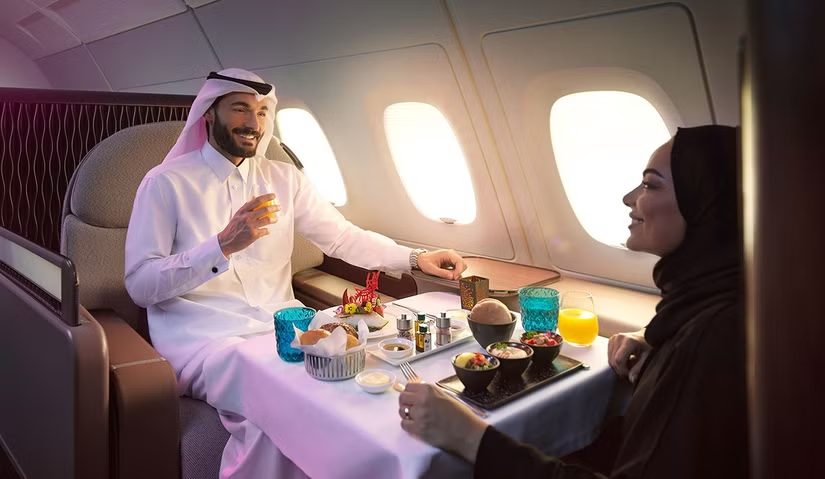
Qatar Airways' Qsuite business class product aboard the Boeing 777-300ER commands price points ranging from approximately $3,919 for a Business Comfort fare to $5,093 for a Business Elite fare on representative routes such as Paris CDG to Doha Hamad International, as of mid-2026. The distinction between these two fare structures is not the physical seat itself but rather the terms attached to the ticket: Business Elite provides flexible cancellation and change provisions along with an accelerated Avios earning rate, while Business Comfort delivers the same hard product at a reduced cost. The Qsuite, first unveiled at ITB Berlin in March 2017, remains the flagship business class configuration on the carrier's widebody fleet, now installed across more than 90 aircraft spanning the A350-1000, select A350-900s, and the majority of 777-300ER and 777-200LR frames. Critically, the 777-300ER fleet is not uniformly equipped: roughly 75 percent carry the Qsuite, while the remaining aircraft retain an older 2-2-2 open configuration, meaning the booking experience and the onboard product can diverge substantially depending on which aircraft is actually operated on a given day.
The fleet assignment inconsistency is operationally significant for frequent travelers and travel managers supporting corporate flight departments. The phenomenon colloquially termed "Getting Qatar'ed" refers to last-minute equipment swaps that can replace a Qsuite-equipped frame with an older 2-2-2 configured aircraft, fundamentally altering the passenger experience despite no change in fare paid. Qatar does not publish a formal route-by-route list of which 777s carry which cabin configuration, but industry patterns indicate that high-yield, long-haul routes to North America and Western Europe are preferentially assigned Qsuite aircraft, while lower-yield VFR-heavy routes to South Asia and parts of Africa more frequently receive the older configuration. For operators and executives booking premium transatlantic or trans-Eurasian travel, verifying the seat map at booking and monitoring equipment assignments as departure approaches is the only reliable mitigation strategy. Qatar's own booking interface does display "Qsuite" in distinct maroon text when the flagship product is confirmed on a given flight, providing at least a point-of-sale reference.
The pricing data presented here reflects a broader trend in premium long-haul travel toward product tiering that decouples hard product from contract flexibility. Airlines across the Skytrax top-ten rankings — including Singapore Airlines, Cathay Pacific, ANA, and Japan Airlines — have similarly structured business class fare ladders that charge a premium not for an upgraded seat but for the cancellation and rebooking rights that corporate and professional travelers require. For flight department managers operating under Part 91K or Part 135 who routinely supplement fractional or charter capacity with scheduled airline seats for positioning crews or executive passengers, understanding this fare architecture matters directly to cost control. A Business Comfort fare on Qatar may deliver an identical physical seat to the Business Elite product while carrying significantly lower flexibility, making it unsuitable for trip-support use cases where schedule changes are common.
The sustained dominance of Gulf carriers like Qatar Airways — the airline has held the top Skytrax ranking for nine consecutive years — reflects a structural advantage in long-haul hub-and-spoke economics centered on Doha Hamad International. For business aviation operators routing international trips through the Middle East corridor, Qatar's Qsuite product establishes a benchmark that influences passenger expectations aboard both scheduled service and private charter. As business jet operators increasingly compete for discretionary premium travel budgets, the Qsuite's combination of fully enclosed suite doors, double-bed configurations for traveling pairs, and consistent five-star service ratings sets a reference point against which ultra-long-range cabin products on aircraft like the Gulfstream G700 or Bombardier Global 7500 are implicitly measured. The continued capital investment by Qatar and its Gulf peers in premium cabin hardware underscores that the competitive frontier in long-haul premium travel remains the physical privacy and sleep quality of the seat itself.





 Read original article