Premium Hold-Up: Why Airlines' Luxury Seats & Suites Are Failing FAA Safety Tests
FAA Administrator Bryan Bedford publicly confirmed in late May 2026 that novel premium cabin seat designs are failing human factors certification tests at an elevated rate, creating a significant backlog in aircraft delivery and cabin retrofit approvals. Speaking to reporters in Charleston, South Carolina, Bedford indicated that manufacturers are engaging with the FAA but that regulators need to be integrated into the design process far earlier than is currently occurring. Boeing CEO Kelly Ortberg underscored the operational severity of the problem at the Bernstein Conference in New York, stating that completed aircraft are sitting on the ground waiting exclusively for seat certifications, and that Boeing expects the issue to persist as a delivery constraint throughout the remainder of 2026. The problem is not limited to U.S. regulators — EASA and other international bodies are encountering the same certification friction, suggesting a systemic misalignment between the pace of premium cabin innovation and the regulatory frameworks designed to evaluate it.
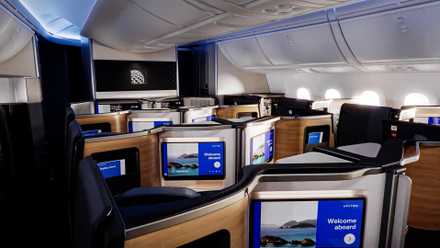
The practical consequences for major carriers are substantial and measurable. Delta Air Lines faces a delay extending to approximately 2028 for its lie-flat business class product on the A321neo transcontinental subfleet — a setback of more than three years beyond original projections. United Airlines has taken delivery of new Boeing 787-9 aircraft equipped with its next-generation Polaris suites but is operating those aircraft with privacy suite doors locked in the open position, as the door mechanism has not yet cleared FAA certification. American Airlines is in a comparable situation with Flagship suites on its 787-9P fleet, where suite doors are similarly secured open. Lufthansa has managed its exposure by pursuing a batch-certification strategy and temporarily restricting seat sales in affected premium cabins, though many of its initial hurdles have since been resolved. In each case, airlines are absorbing both reputational and commercial costs from deploying premium products that cannot yet deliver their marquee features.
For flight crews and aircraft operators, these certification delays carry implications beyond the passenger experience. Human factors testing for cabin seat configurations evaluates occupant restraint performance, evacuation dynamics, and emergency egress — areas directly relevant to crew briefings, weight-and-balance considerations, and emergency procedure accuracy. When seat configurations change mid-delivery stream or doors are locked out of their designed operational state, flight attendant training programs, safety demonstration procedures, and emergency equipment location briefings must be adjusted accordingly. Operators receiving affected aircraft need to ensure that their ops specs, aircraft flight manuals, and cabin crew training materials accurately reflect the as-delivered configuration rather than the originally marketed product, which may differ in meaningful safety-relevant ways.
The broader trend underlying this situation reflects a structural tension that has been building across commercial aviation as premium cabin density, door mechanisms, privacy dividers, and suite configurations have grown dramatically more complex over the past decade. The certification framework for seats — governed in large part by 14 CFR Part 25 dynamic seat testing standards and related human factors requirements — was not originally designed around the engineering complexity of today's enclosed business class suites with motorized doors, multi-position berths, and integrated technology systems. The FAA's acknowledgment that it must be involved earlier in the design cycle signals a forthcoming shift in how manufacturers and airlines sequence the certification process, likely requiring regulatory engagement at the concept and prototype stages rather than at the production-ready stage. For business jet operators and Part 91 operators pursuing custom interior certifications under supplemental type certificates, this dynamic is already familiar — but the scale at which it is now affecting transport category aircraft represents a new phase of regulatory complexity for the entire industry.





 Read original article