18,000 Feet: American Airlines Will Secure Cabins Earlier To Cut Turbulence Injuries
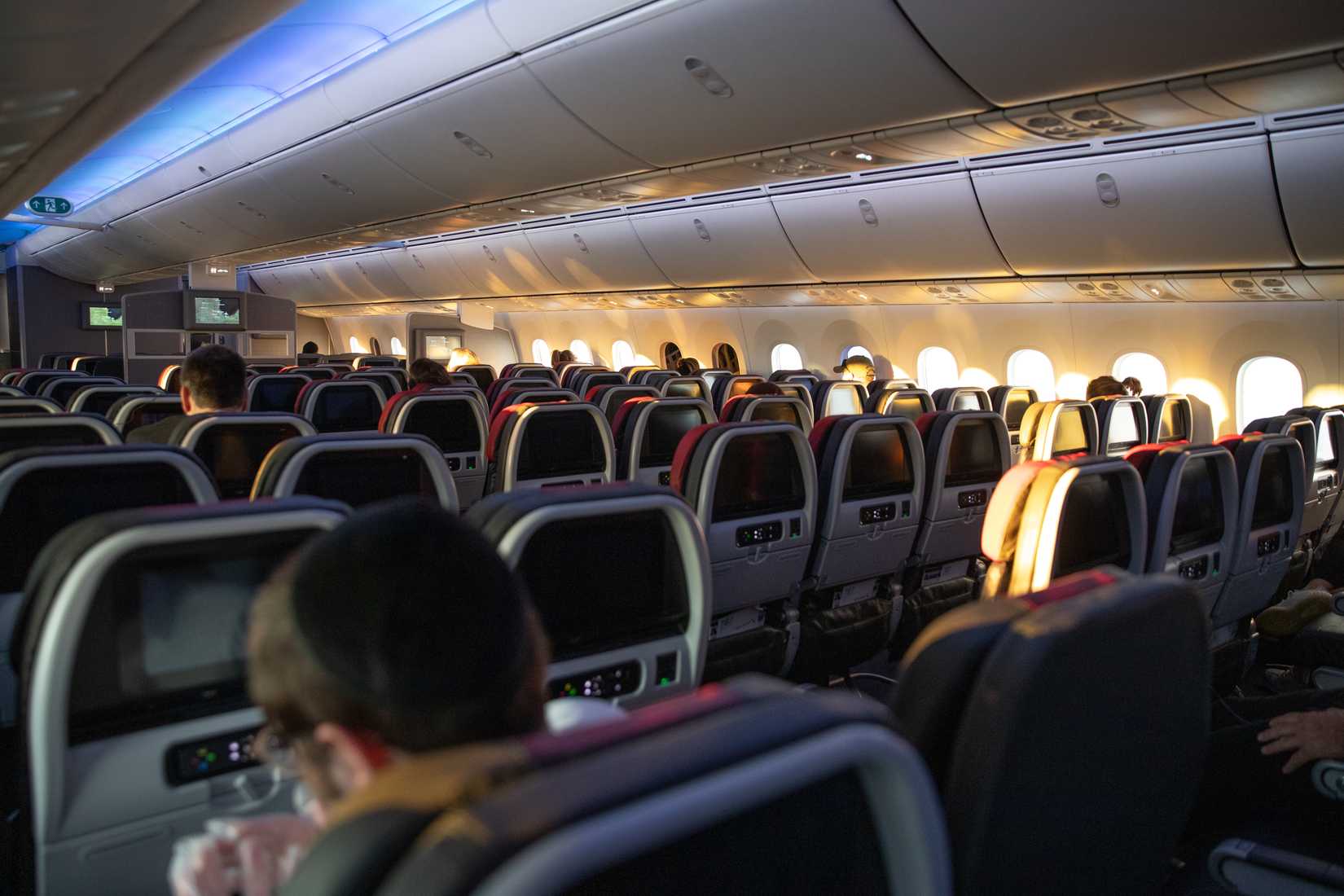
American Airlines will implement revised descent cabin-securing procedures on June 3, 2026, requiring flight crews to initiate pre-landing cabin preparation no later than 18,000 feet MSL. The policy change is driven by the airline's internal data showing that approximately 25 percent of its in-flight turbulence injury events occur during the descent phase, a statistic that has apparently reached a threshold prompting formal procedural revision. Under the new framework, flight deck crews are required to contact the Purser or FA1 roughly 20 to 30 minutes prior to estimated arrival to discuss turbulence conditions and initiate the cabin discrepancy worksheet process. A mandatory before-descent PA from the captain or first officer will follow, with cabin crew completing remaining service items, collecting galley equipment, and taking jumpseats prior to the current sterile cockpit trigger at 10,000 feet. The sterile flight deck chime at 10,000 feet becomes a compliance verification checkpoint rather than the initiating signal for cabin securing.
The operational significance for flight deck crews is the formalization of earlier two-way communication with the cabin, specifically the requirement to proactively brief FA1 or the Purser on turbulence expectations rather than relying on passive PA announcements or reactive coordination. For captains and first officers operating under 14 CFR Part 121, this introduces a structured touchpoint into the already-busy descent and approach briefing flow. The 18,000-foot trigger aligns roughly with initial descent into the arrival environment in many domestic profiles, meaning crews will need to integrate this communication into a phase of flight that includes ATIS acquisition, approach briefing, descent checklist execution, and ATC coordination. Airlines have traditionally left cabin crew communication somewhat informal during this phase outside of the sterile cockpit boundaries, so mandating a specific contact and PA sequence adds a defined task to descent planning.
The broader context is a sustained and accelerating industry response to turbulence injury rates, which have risen in parallel with increased incidence of clear-air turbulence attributed to climate-driven changes in upper-level wind patterns and jet stream behavior. JetBlue preceded American with a structurally similar change, merging its initial and final descent procedures into a single consolidated sequence to ensure earlier cabin securing. The alignment between two major U.S. carriers on nearly identical procedural logic suggests either informal coordination through industry working groups, FAA guidance discussions, or parallel conclusions drawn from similar injury datasets. For operators in Part 91K and Part 135 environments, particularly business aviation where cabin crew-to-pilot communication standards are often less formally codified, these carrier-level procedural changes may foreshadow regulatory attention to descent-phase cabin management across certificate types.
The American policy change also reflects a recognition that turbulence injuries represent not only a safety liability but a significant regulatory and litigation exposure for major carriers. The FAA has historically focused turbulence guidance on passenger seatbelt compliance, but the emerging carrier-driven standard is shifting emphasis toward earlier crew positioning and earlier cabin lockdown as primary mitigation tools. For professional flight crews, particularly those who fly dense domestic schedules with short descent profiles, the discipline of initiating cabin communication earlier in the descent will require deliberate procedural integration, especially when ATC assigns compressed profiles into high-density terminal areas where 18,000 feet may arrive quickly after top-of-descent. The policy takes effect without changes to the existing Inflight Service Manual, meaning compliance is driven by internal SOPs and crew training rather than manual revision, which places additional weight on consistent flight deck-to-cabin crew communication culture.





 Read original article