Here's How Much A First Class Ticket On Singapore Airlines' Airbus A380 Actually Costs In 2026
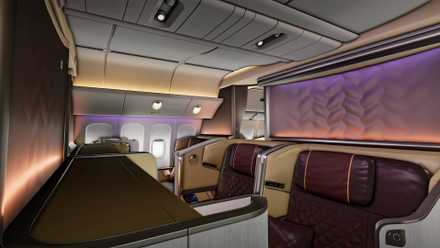
Singapore Airlines' A380 Suites cabin commands cash fares ranging from approximately $10,000 for a standalone one-way segment to well over $20,000 for the flagship London–Singapore routing, with round-trip packages on competitive corridors settling near $17,000. These figures reflect a deliberate pricing architecture designed to recover the revenue cost of dedicating the A380's upper deck to just six passengers—a configuration that eliminates hundreds of economy seats in favor of enclosed private suites. The carrier operates a specialized sub-fleet of 12 heavily customized aircraft, and that narrow inventory base keeps pricing floors unusually rigid across the network, with minimal promotional softening regardless of seasonal booking windows. Corporate travel desks and luxury concierge services handle the majority of cash-fare bookings, frequently working under negotiated corporate contracts to secure inventory for multinational executives on a recurring basis.
For aviation operators and flight department managers, the Singapore Airlines Suites pricing data provides a useful commercial benchmark when evaluating ultra-premium commercial travel against private charter or fractional ownership alternatives. A $13,980–$20,000 one-way fare for a single passenger on a transoceanic sector falls well within the cost range of a midsize to super-midrange jet charter on comparable city-pair distances, making the comparison increasingly relevant for companies that position commercial premium cabins as cost-efficient alternatives to owned or charted aircraft for solo executives. Part 91 and Part 135 operators frequently encounter this calculus when advising principals on trip cost optimization, and understanding where the most prestigious commercial product sits on the price spectrum helps frame those conversations with precision.
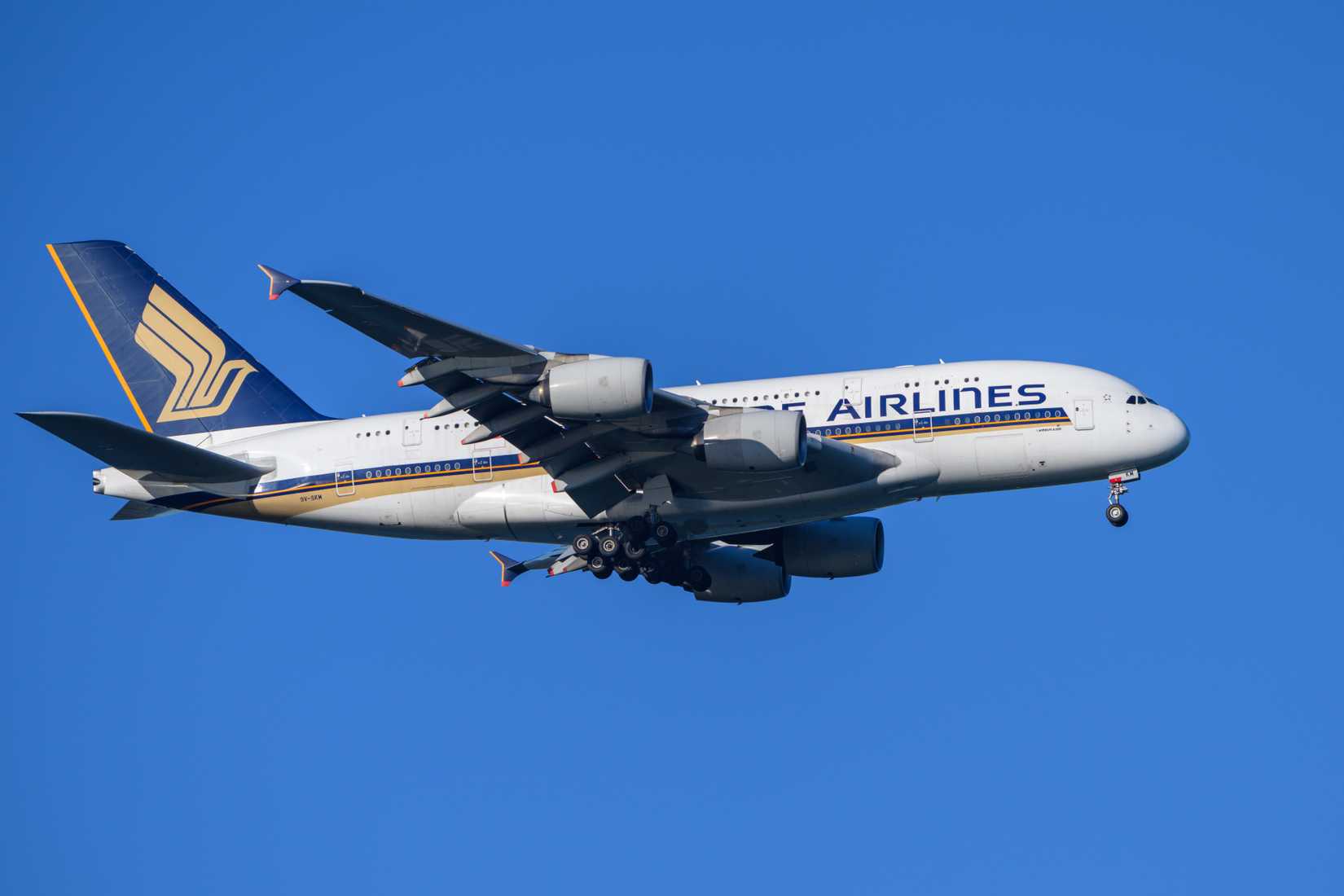
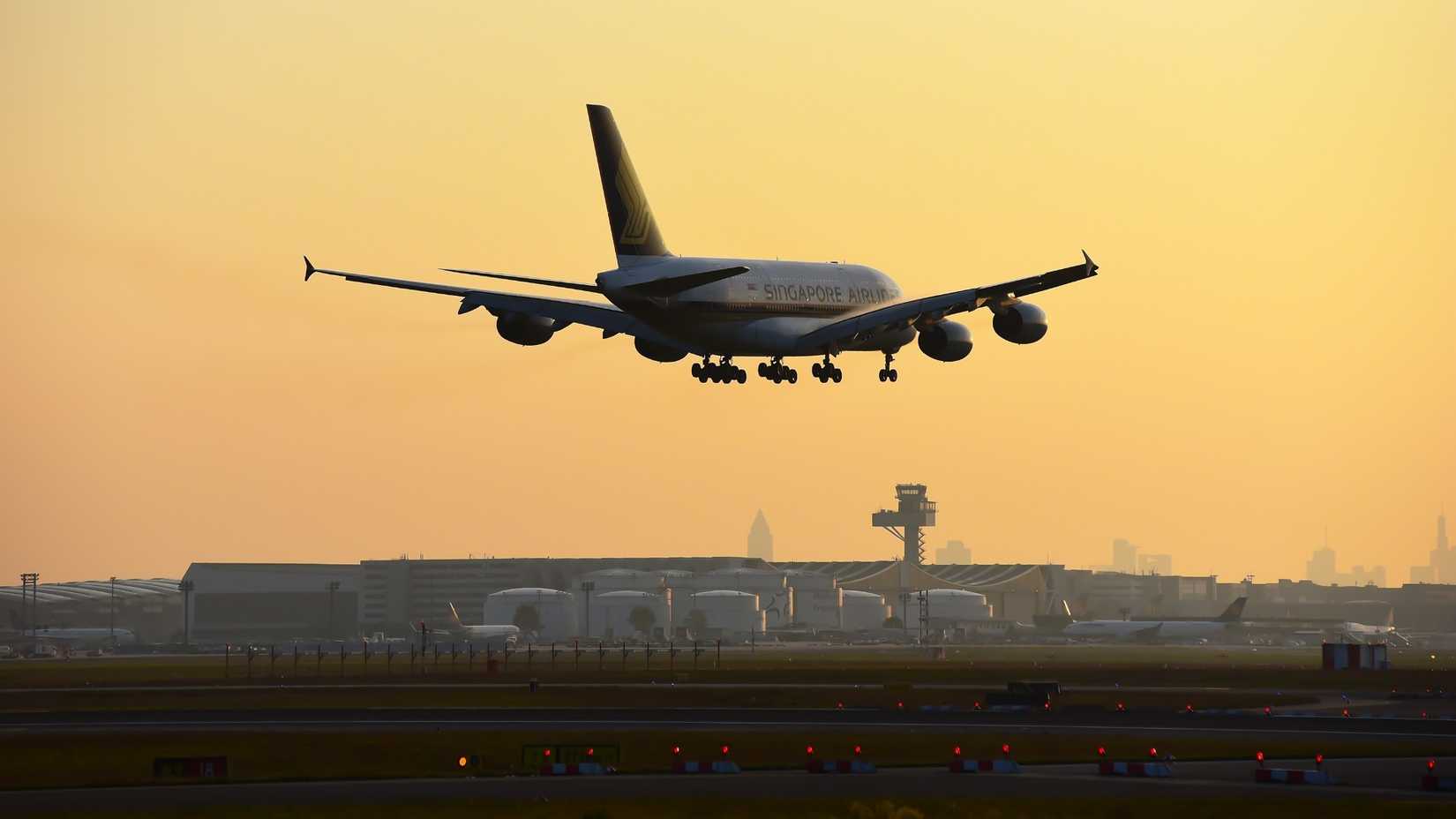
The network dynamics surrounding the A380 sub-fleet offer an instructive case study in contingency capacity management under geopolitical pressure. Singapore Airlines suspended its Singapore–Dubai route due to regional Middle East instability and responded by redirecting equipment to Melbourne through October 2026—a decision that converted a corporate high-yield corridor gap into a leisure-market opportunity in Australia. The airline's 12-unit A380 fleet provides limited flexibility, meaning every airframe must generate revenue continuously; idle time at Changi is not economically viable when each aircraft represents both a substantial capital asset and the carrier's flagship brand product. This kind of agile equipment redeployment mirrors decisions that charter operators and scheduled carriers make when specific corridors face regulatory, political, or demand disruptions, and the speed with which Singapore Airlines executed the pivot underscores the importance of advance scheduling flexibility in specialized sub-fleet operations.
Award redemption access for the Suites cabin is tightly restricted to Singapore Airlines' proprietary KrisFlyer program, with all Star Alliance and partner-airline mileage currencies explicitly blocked from accessing inventory. Mileage requirements range from 47,500 miles for short regional segments such as Hong Kong to upward of 100,000 miles for long-haul awards, and available inventory is deliberately withheld in favor of cash-paying customers until close to departure. For frequent-flying pilots and aviation professionals who accumulate KrisFlyer miles through personal or corporate travel, this structure creates a narrow but achievable redemption pathway—provided the traveler has the mileage depth, timing flexibility, and patience for waitlist management. The loyalty isolationism policy reflects a broader industry trend among carriers with marquee premium products: protecting the halo product from dilution through partner award redemptions preserves both perceived exclusivity and cash-fare yield integrity.
The broader commercial aviation context here is the continued bifurcation of the premium cabin market, where a small number of carriers—Singapore Airlines most prominently among them—invest heavily in ultra-premium differentiation as a brand and revenue strategy rather than pure capacity maximization. With legacy widebody programs aging and next-generation aircraft like the A350 and 777X absorbing new deliveries, the A380's continued commercial relevance hinges almost entirely on this product positioning. For business aviation professionals, Singapore Airlines' success in sustaining five-figure fares on a consistent basis while managing a complex specialized sub-fleet demonstrates that ultra-premium commercial air travel and private aviation continue to compete for the same high-net-worth traveler—a dynamic with direct implications for charter demand patterns, fractional program enrollment, and corporate flight department justification models across the industry.








 Read original article