Rolls-Royce Built A Jet Engine So Powerful That It Forced A Redesign Of The Aircraft It Powers
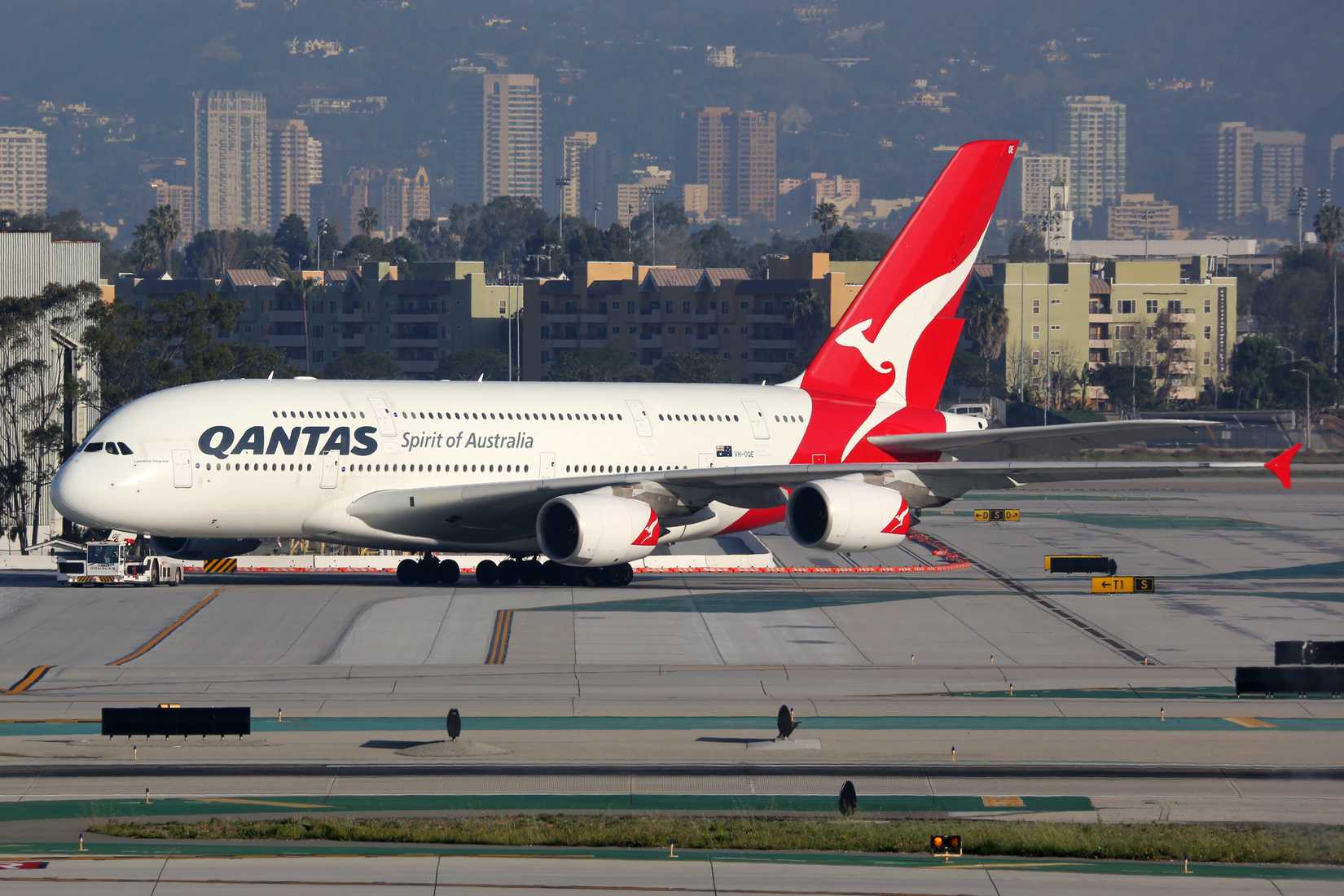
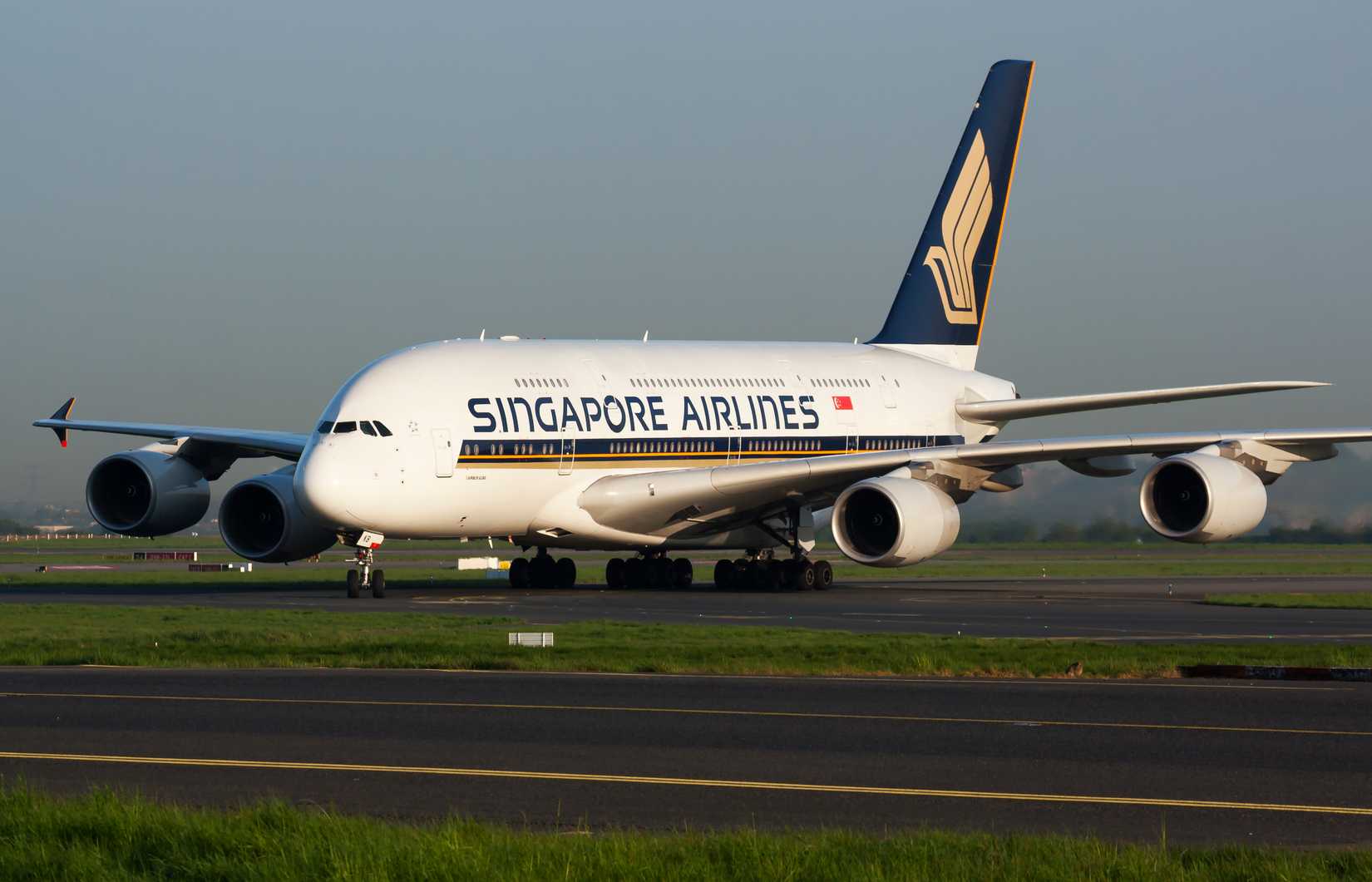
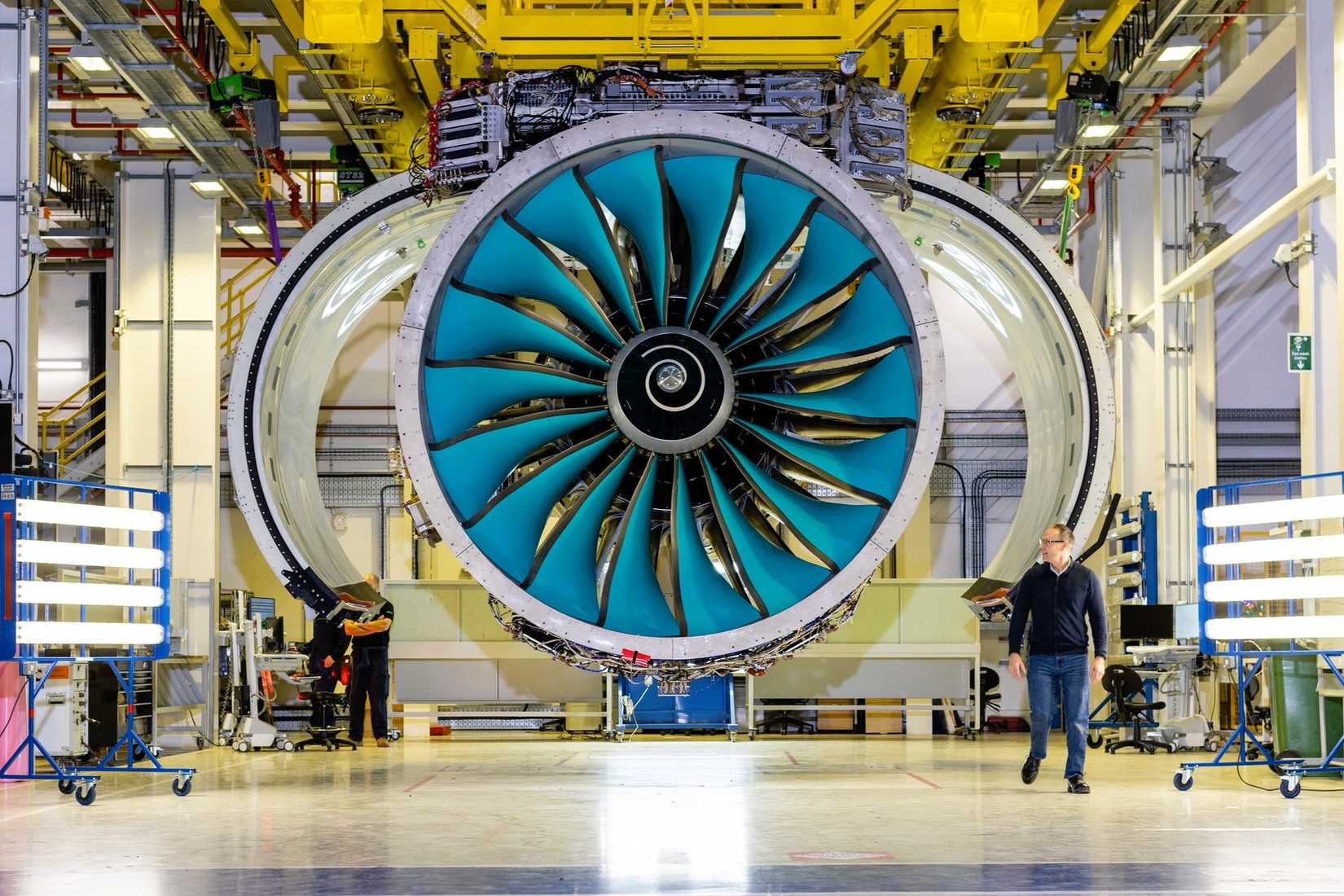
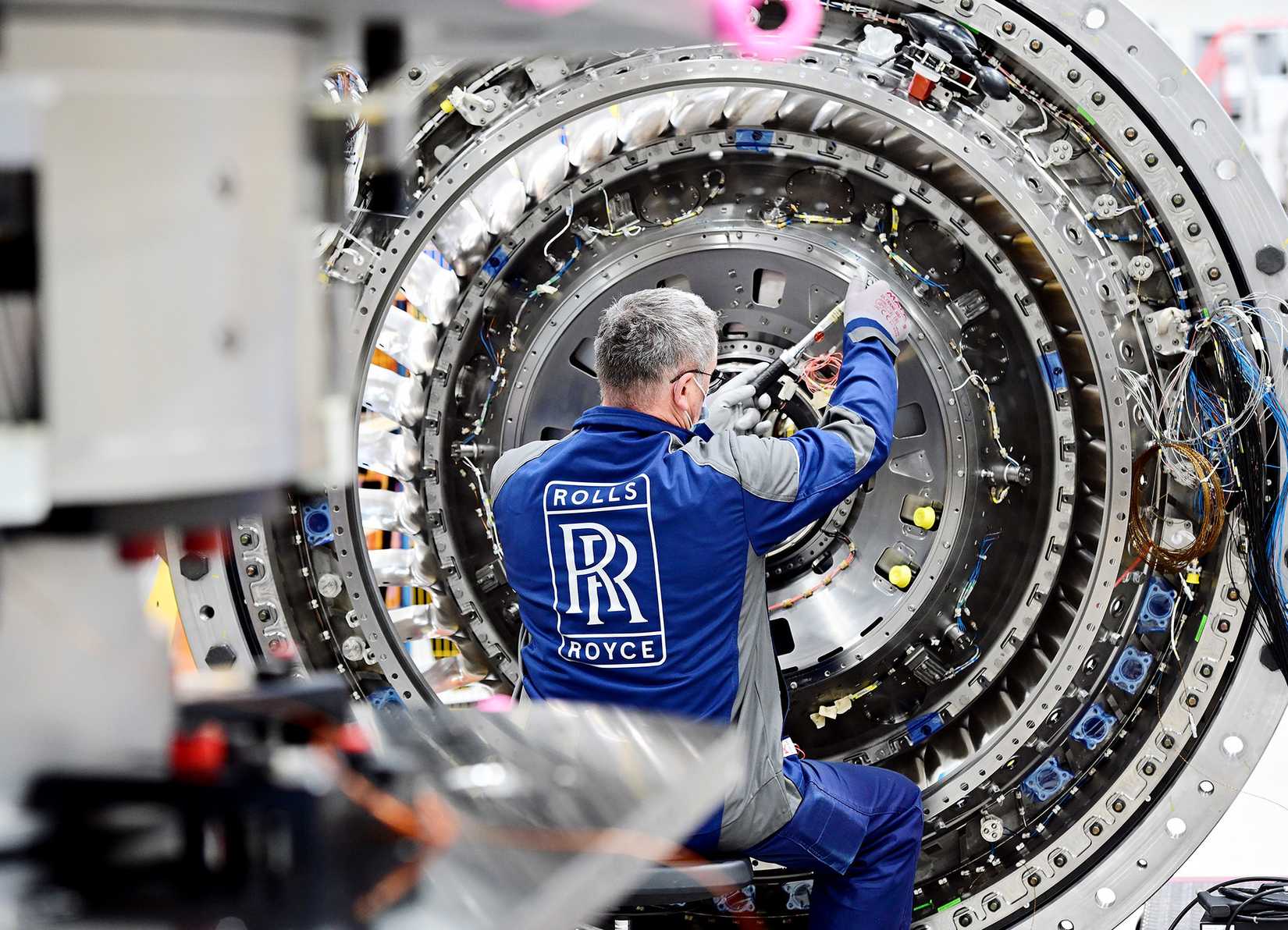
The Rolls-Royce Trent 900 and the Airbus A380 represent one of the most deliberate co-development programs in commercial aviation history, a point that cuts against the article's provocative framing. Rather than an engine that surprised its airframe manufacturer into structural revisions, the Trent 900 was selected early in the A3XX concept phase and developed in parallel with the aircraft throughout the late 1990s and early 2000s. Delivering between 75,152 and 84,098 pounds of thrust depending on variant, the Trent 900 was expressly sized to anchor an A380 family that Airbus intended to include a stretched -900 variant and possibly an ultra-long A350-1000 derivative. Because only the baseline A380-800 was ever produced, the aircraft entered service slightly overwinged and overpowered relative to its actual mission envelope — a configuration that ultimately benefited operators through robust performance margins and range flexibility. The engine's 116-inch fan diameter, producing a high bypass ratio, was a known design driver from the outset, requiring Airbus to engineer appropriately robust pylons, wing structures, and hydraulic integration — but none of this constituted a reactive redesign.
The one area where genuine mid-development revision occurred was the thrust reverser configuration, and it illustrates a real engineering trade-off relevant to operators of heavy aircraft. Airbus initially concluded that the A380's carbon brakes and large wing spoilers would provide sufficient deceleration performance on their own, and the aircraft was and remains certified to stop on dry runways without reverser deployment. As testing progressed, Airbus elected to install cascade-style thrust reversers on the two inboard engines — Numbers 2 and 3 — specifically to improve margins on contaminated runway surfaces such as ice or standing water, and to reduce the thermal load on the brake assemblies. The decision to limit reversers to two of four engines is unusual in commercial transport operations, where narrowbody and most widebody aircraft carry reversers on all engines. For pilots operating the A380, this means abnormal and emergency stopping procedures on contaminated runways carry specific considerations not present on a four-reverser platform, and brake cooling times after heavy braking events remain a dispatch planning factor even with partial thrust reversal available.
The broader engine market context the article touches on remains directly relevant to operators evaluating widebody acquisitions and fleet planning. The Trent 900 competes on the A380 against the Engine Alliance GP7200, a joint venture product from GE Aerospace and Pratt & Whitney, and neither engine option has generated new orders since Emirates placed the final A380 orders and deliveries concluded in 2021. Rolls-Royce currently holds roughly half the widebody engine market, with GE Aerospace controlling the larger share, a duopoly dynamic that shapes MRO availability, parts pricing, and engine lease market conditions for operators of 777s, 787s, A330s, and A350s. The certified thrust record remains with the GE90-115B on the Boeing 777-300ER at approximately 115,000 pounds of thrust — a benchmark that underscores how the Trent 900's 84,000-pound ceiling, while formidable, sits in the mid-tier of the current high-thrust landscape. For Part 135 operators and business aviation departments tracking the trajectory of next-generation powerplants, China's ACAE and Russia's Aviadvigatel PD-35 development programs represent longer-term competitive factors, though neither is expected to challenge Western manufacturers in the near term.
For working pilots, the A380's thrust reverser architecture is an operationally meaningful differentiator that surfaces in recurrent training and line operations at carriers such as Emirates, Singapore Airlines, Lufthansa, and Qatar Airways — the fleet's surviving operators. The reliance on inboard-only reversers means crews must be especially attentive to runway condition reports and braking action advisories, and flight dispatchers planning A380 operations into airports with known contamination risk must account for the aircraft's approved performance data, which is predicated on two-reverser capability rather than four. Brake energy limits and cooling intervals also remain active operational considerations; on high-frequency turn operations, ground crews and flight crews must coordinate brake temperature monitoring to avoid dispatch delays, a constraint that reinforces Airbus's engineering rationale for adding even partial thrust reversal. The A380 program's legacy, including the co-development discipline between Rolls-Royce and Airbus, continues to inform how engine manufacturers and airframers structure launch agreements for next-generation programs such as the A320neo family's CFM LEAP and P&W GTF engines, where propulsion and airframe teams similarly work in concert from early concept phases.










 Read original article