Frontier Airlines Investigating After Cabin Odor Hospitalizes 3 Passengers In Orlando
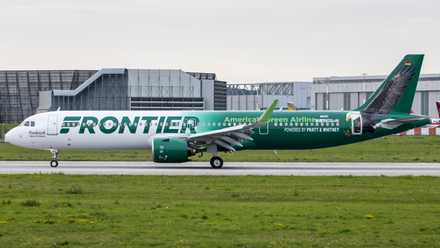
A Frontier Airlines aircraft was returned to the gate at Orlando International Airport (MCO) on May 30, 2026, after flight crew detected an unusual odor during taxi to the runway. Seven passengers required medical evaluation upon the aircraft's return; three were transported to area hospitals for further treatment. The captain made the decision to abort the departure while still on the taxiway, before any takeoff roll was initiated — a textbook application of conservative airmanship when cabin air quality is in question. Frontier's maintenance team inspected the aircraft following the incident, and any findings may be subject to mandatory federal reporting obligations under FAA airworthiness and safety regulations. No formal cause had been identified by the time of publication, and Frontier had not issued a public statement.
The most probable technical explanation, consistent with the article's framing and established fume event literature, involves bleed air contamination — specifically engine oil, hydraulic fluid, or other hydrocarbon byproducts entering the aircraft's environmental control system and circulating through the cabin. On most transport-category aircraft, pressurized cabin air is drawn directly from engine compressor stages, meaning any oil seal degradation or hydraulic leak in proximity to bleed air ports creates a pathway for toxic compounds — including organophosphates found in jet engine oils — to reach crew and passengers. The symptoms documented in this incident, including apparent nausea and physical distress sufficient to warrant hospitalization, are consistent with low-level organophosphate or synthetic oil aerosol exposure.
For working flight crews, this incident reinforces the operational and legal weight attached to cabin odor reports. The captain's decision to return to the gate while still on the taxiway, before the aircraft reached the runway environment, is notable — it reflects both regulatory expectations and the practical reality that fume events become significantly harder to manage once airborne. If contaminated bleed air reaches the flight deck, physiological effects including cognitive impairment, disorientation, and headache can degrade pilot performance acutely. The FAA and ICAO both treat suspected fume events as serious safety occurrences requiring crew documentation and, depending on symptom severity, crew medical evaluation before further duty. Crew members who minimize odor reports or delay response out of schedule pressure face both safety risk and regulatory exposure.
This incident is part of a documented pattern at Frontier specifically and the broader industry generally. A nearly identical event at the same airport — MCO — occurred approximately one year prior, also involving a Frontier Airbus A321, in which four cabin crew members were hospitalized after an odor event prompted a return to Orlando following departure toward San Juan. The recurrence at the same carrier and airport pairing, while potentially coincidental, will likely draw attention from ASAP programs and safety oversight personnel. Industry-wide, fume event reporting has been a contentious area: the Association of Flight Attendants and pilot unions have long argued that the actual frequency of bleed air contamination events is underreported, and that long-term neurological effects on crew are inadequately tracked by both carriers and regulators.
The broader regulatory context is significant. The FAA has historically resisted mandating bleed-air-free cabin air systems — such as those used on the Boeing 787, which draws cabin air from electric compressors rather than engine bleed — for the legacy narrowbody fleet. Ultra-low-cost carriers operating high-utilization Airbus narrowbodies like the A320 family face particular exposure given their high cycle counts and compressed maintenance windows. For Part 91, 91K, and 135 operators flying turbine equipment with bleed air systems, the Frontier incident is a timely reminder that cabin air quality events are not confined to airline operations. Any unexplained odor during ground operations or flight warrants an immediate, conservative response — return to gate, shutdown, and full maintenance inspection before further dispatch.





 Read original article