How The FAA Plans To Modernize Air Traffic Control Without Shutting Down A Single Flight
The FAA's sweeping air traffic control modernization program has moved from long-deferred ambition to active construction, with early metrics suggesting meaningful progress across a system that supports nearly 50,000 daily flights. As of April 2026, the agency confirmed that approximately half of all legacy copper wiring across the national ATC network had been replaced, 270 radio sites had been converted to modern infrastructure, and 17 towers had transitioned to electronic flight strips. Funding came primarily through the One Big Beautiful Bill, signed in July 2025, which unlocked capital for the overhaul following years of government accountability reports warning that 76 percent of the FAA's 138 operational systems were either "unsustainable" or "potentially unsustainable." Technology integrator Peraton has been designated prime contractor and is leading construction of a new digital command center designed to allow individual ATC facilities to be taken offline for upgrades while routing traffic management authority to adjacent nodes in real time — a critical architectural decision that aims to prevent localized maintenance windows from cascading into systemwide ground stops or airspace closures.
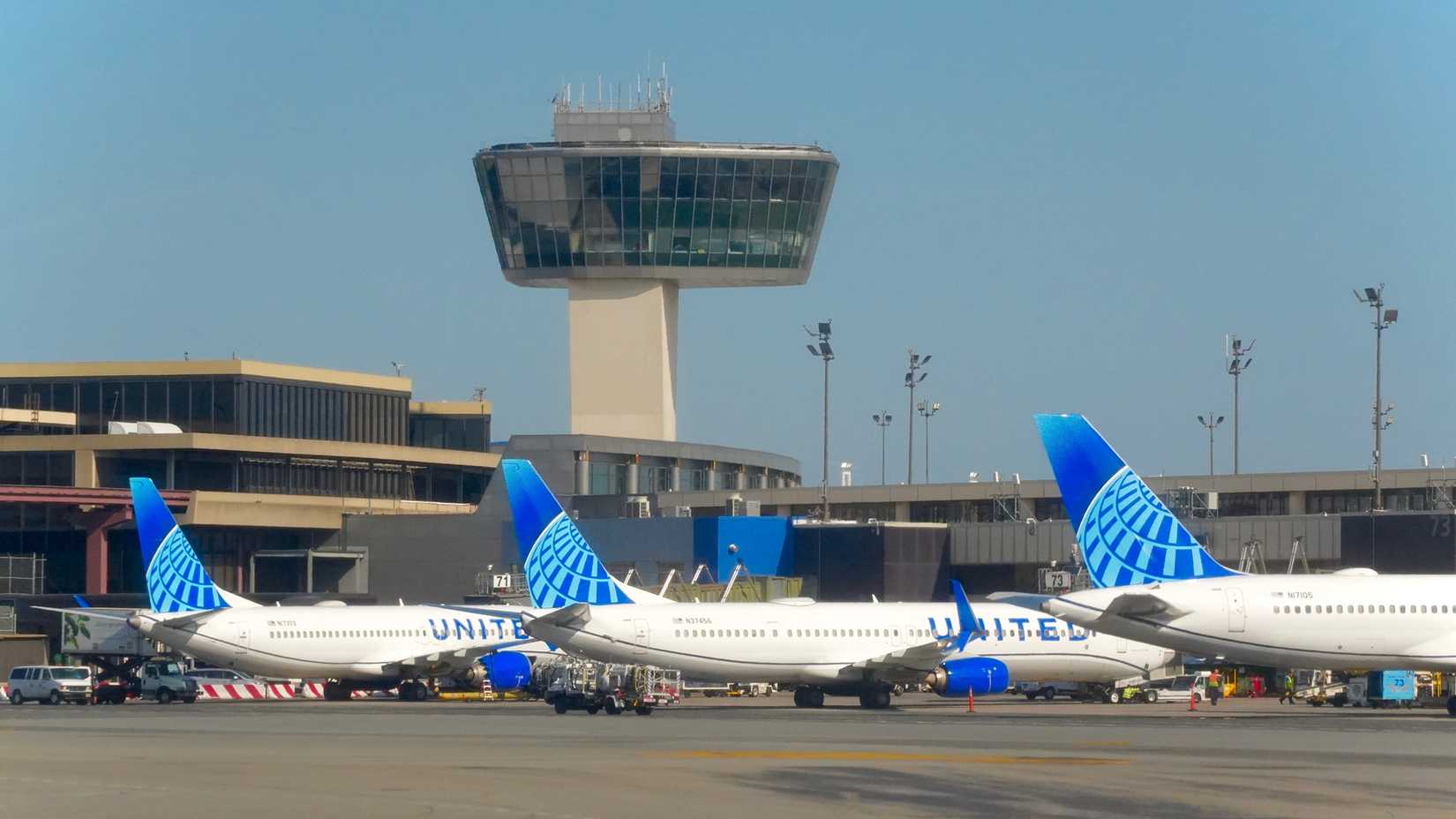
The urgency behind this program is not merely bureaucratic. Two high-profile failures in early 2025 made the fragility of the existing infrastructure impossible for policymakers to ignore. In late April 2025, radar display screens at Newark Liberty International Airport experienced repeated blackouts lasting 30 to 90 seconds, traced to a legacy TRACON network operating out of Philadelphia. At least five controllers took trauma leave following the incidents, and the facility subsequently required fiber optic cable installation to restore reliable connectivity. Several months earlier, in January 2025, 67 people were killed in the midair collision of a U.S. Army Black Hawk helicopter and a PSA Airlines regional jet on approach to Reagan National Airport. The NTSB's investigation identified controller workload and system performance degradation as contributing factors, adding political momentum to what had previously been a slow-moving infrastructure conversation.
For active pilots and aviation operators, the practical implications of this overhaul are significant and near-term. The Peraton command center architecture is specifically designed to permit facility-by-facility upgrades without triggering airspace closures or widespread traffic management initiatives, meaning operators flying during the modernization window should not, in theory, experience the cascading delays that would accompany a conventional infrastructure cutover. That said, the Newark events demonstrated how quickly aging equipment can produce real-time operational disruptions — including unexpected reroutes, holding, and ground delay programs — and operators should maintain situational awareness around facility NOTAMs and ATC advisories during the transition period, particularly at high-density facilities where the legacy copper infrastructure remains partially in place. The shift to electronic flight strips, now underway at 17 towers, will also gradually alter the cadence and format of controller-pilot coordination at affected facilities.
The broader industry context is one of long-overdue infrastructure catch-up colliding with rapidly expanding airspace demand. The FAA's original NextGen modernization program, launched in 2007, was intended to move the NAS toward satellite-based navigation and digital data exchange on a 20-year timeline, yet fundamental ground infrastructure was never fully refreshed to support those ambitions. FAA Administrator Bryan Bedford's stated objective of completing the copper network replacement by mid-2027 — compressing what had been a two-decade roadmap — reflects both the political environment following the DCA accident and the practical reality that parts for some legacy systems are no longer manufactured. With commercial aviation continuing its post-pandemic traffic recovery, business aviation demand remaining elevated across Part 91 and Part 135 operations, and advanced air mobility entrants beginning to press for routine NAS access, the pressure on ATC infrastructure will only intensify. The success of the current program will depend heavily on whether the "think slow, act fast" execution philosophy Bedford outlined to Congress in December 2025 can survive contact with the logistical complexity of upgrading a live national airspace system without interrupting the traffic that flows through it every day.












 Read original article