Delayed Again: Boeing 777X Certification Setback Puts 2027 Deliveries At Risk
Boeing's 777X widebody program has suffered yet another certification timeline slip, with FAA Administrator Bryan Bedford confirming publicly that the agency will not certify the aircraft in 2026 — pushing the program's running delay to at least seven years past its original delivery target and threatening early-2027 first deliveries to launch customer Lufthansa. Bedford, speaking at the CAPA airline leaders' summit, stated that 777X certification will follow completion of the 737 MAX 7 and MAX 10 approvals, both of which are expected before year-end. Boeing CEO Kelly Ortberg maintained a cautiously optimistic tone at the Bernstein Strategic Decisions Conference, indicating the flight test program should wrap by late 2026 with the exception of ETOPS validation, and affirmed that production is continuing in anticipation of 2027 deliveries. Notably, Boeing has not identified new technical deficiencies as the cause of the latest slip, attributing the delay instead to the sequencing and pace of the FAA's own certification process — a distinction the manufacturer has been careful to draw publicly.
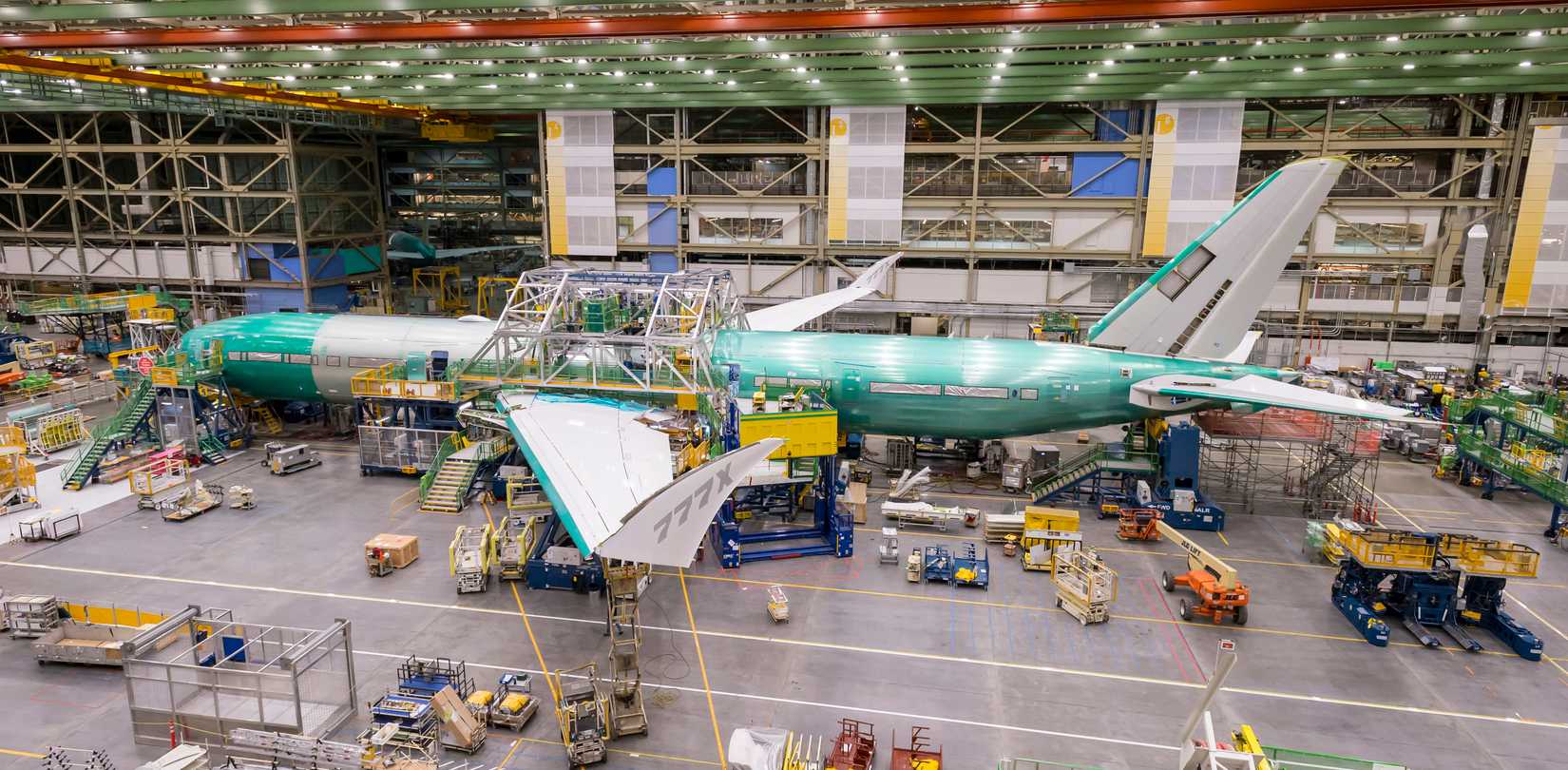
The practical implications for airline operators awaiting 777X deliveries are significant. Lufthansa, which had structured its long-haul fleet transition around early 2027 acceptance of the 777-9, faces continued reliance on legacy widebody capacity and the planning uncertainty that comes with an open-ended delivery schedule. The approximately 30 aircraft already constructed "at risk" will not be accepted by carriers in their current form; airlines have explicitly stated they will wait for new-build production aircraft conforming to the final certified configuration rather than accept retroactively reworked airframes. Those 30 pre-certification jets will require varying degrees of modification — potentially including avionics and software updates, fuselage and wing root changes, thrust link assembly retrofits, and subsystem revisions to wiring and pneumatic lines — meaning their path to revenue service remains unclear and costly. For fleet planners at major international carriers, this reinforces the broader lesson that Boeing's certification timelines carry substantial execution risk and should be treated conservatively in long-range capacity planning.
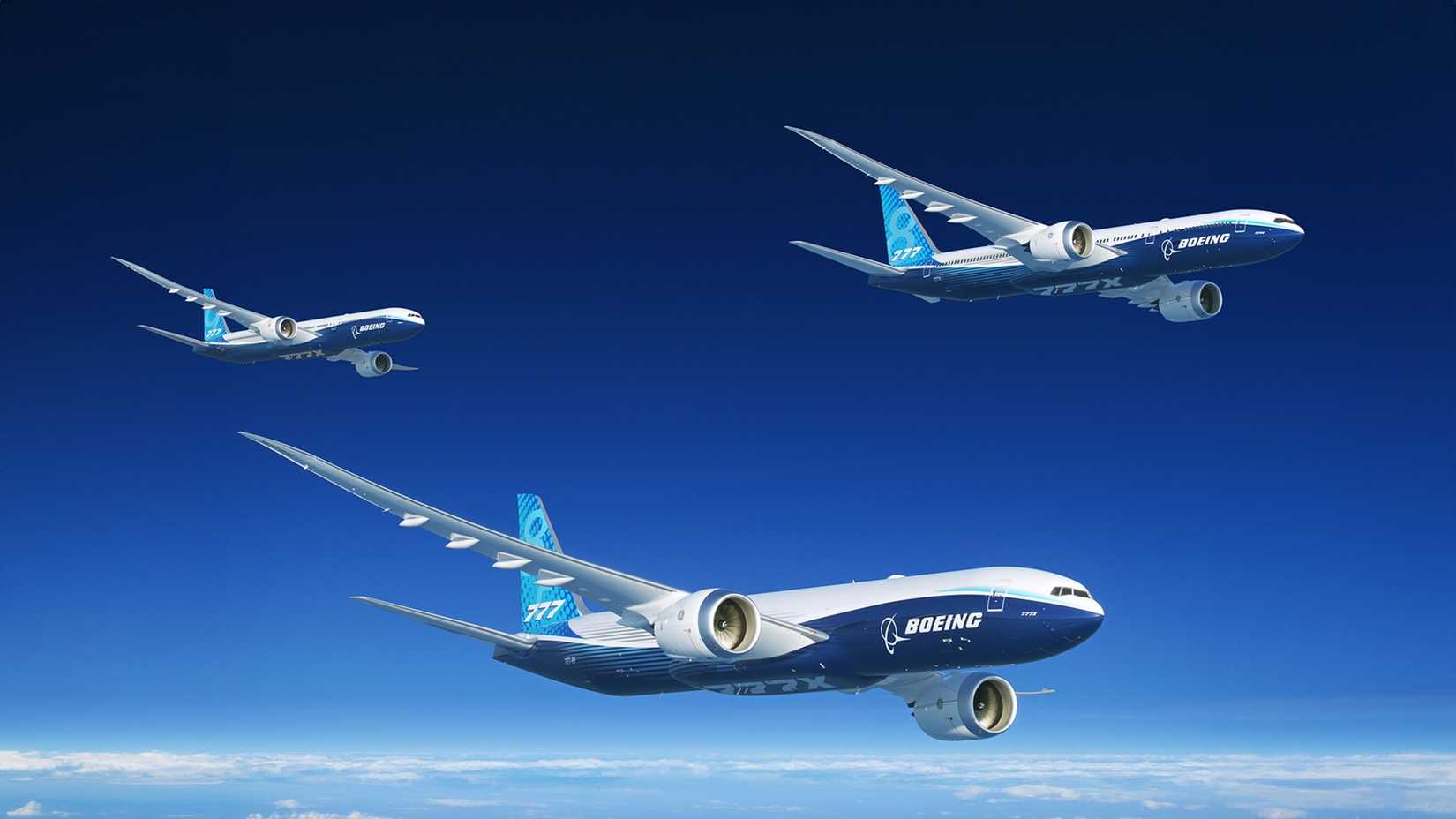
The 777X delay also carries direct implications for the competitive widebody market. Every quarter that Boeing cannot deliver the 777-9 is a quarter that Airbus holds an unchallenged position with the A350-1000 in the ultra-long-haul segment. Airlines evaluating replacements for aging 777-200ER and 777-300ER fleets — aircraft that are increasingly expensive to operate and staff — have limited near-term alternatives from Boeing, and some have already deepened commitments to Airbus or deferred expansion decisions entirely. The 777X's cabin technology package, including electronically dimmable windows 16% larger than the legacy 777, lower cabin altitude, GE9X engines, and folding wingtips, represents a genuinely differentiated product, but its competitive advantage erodes with each passing year as rivals accumulate operational maturity and customer experience data.
The certification sequencing dynamic is also worth scrutiny for pilots and operators tracking the FAA's current posture. The agency's decision to prioritize 737 MAX 7 and MAX 10 approvals before the 777X reflects both resource allocation realities and the political and institutional weight of completing the MAX family restoration — a process that has consumed enormous FAA bandwidth since the two fatal accidents in 2018 and 2019. For flight crews and operators who will eventually transition to the 777X, the extended certification timeline does create additional runway for Boeing to mature its training programs, finalize type rating syllabi, and resolve any outstanding systems documentation issues before large-scale crew qualification begins. The 777X shares significant systems DNA with the 787, which may ease transition burdens for operators already holding 787 type ratings, though the folding wingtip system and GE9X integration represent novel ground procedures that will require deliberate standardization efforts across launch operators.
At the single-aisle level, the 737 MAX 7 and MAX 10 certifications remain on track for 2026, providing Boeing with a critical near-term revenue catalyst. The MAX 10, with more than 1,400 firm orders, is essential to competing with the Airbus A321neo in the high-density domestic and intra-regional market, while the MAX 7 is existentially important to Southwest Airlines, which holds the overwhelming majority of that variant's order book and operates a single-type fleet. Certification of both variants will stabilize Boeing's production ramp and cash flow — financial inputs that directly fund the 777X program's ongoing development and production buildup. For the broader commercial aviation supply chain, including MRO providers, avionics suppliers, and ground support equipment manufacturers, resolution of the MAX family's regulatory picture will help clarify demand signals and staffing requirements heading into what Boeing still hopes will be a 777X entry-into-service year in 2027.










 Read original article