Delta Ditching Lie-Flat A321neo First Class? Where Things Stand Now
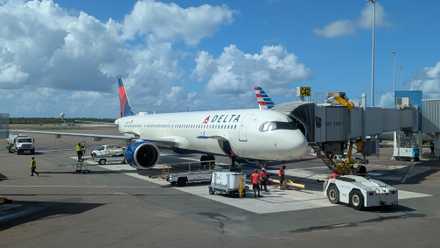
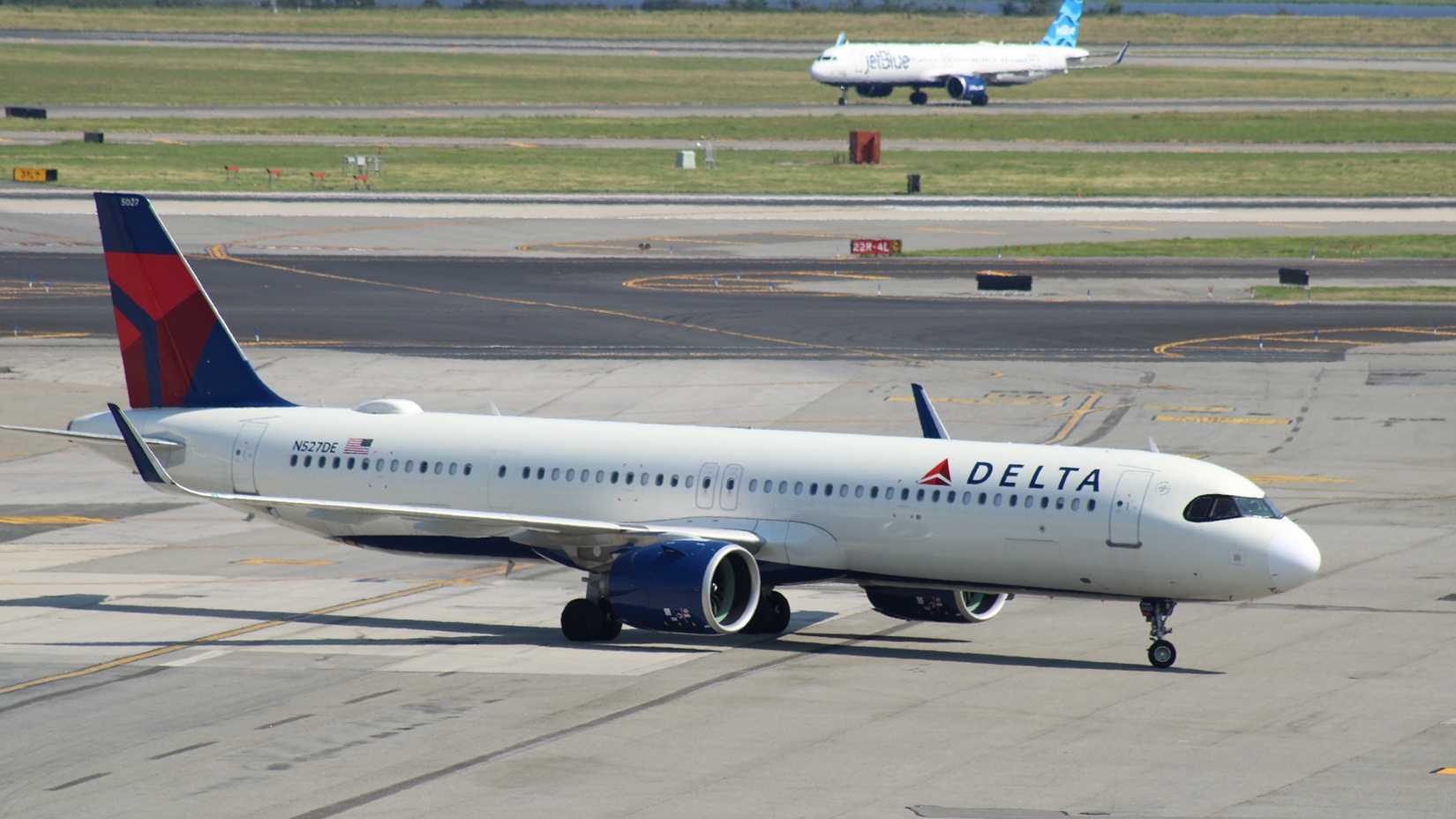
Delta Air Lines is weighing a significant strategic retreat on its planned premium transcontinental cabin for the Airbus A321neo, with insider reporting suggesting the carrier may abandon the Safran Vue reverse herringbone seat in favor of the Thomson Aero VantageSOLO product already in service with JetBlue and Iberia. The airline had been targeting a differentiated lie-flat business class product on its nearly 100-aircraft A321neo fleet, positioning itself against American Airlines and United Airlines, both of which already operate herringbone-configured narrow-body business class cabins on transcontinental routes. The first Delta A321neo fitted with the Safran Vue configuration was delivered in 2024 but has sat in storage for over a year due to unresolved FAA certification issues, ultimately being reconfigured with up to 44 standard domestic first-class seats for general route deployment. With certification timelines now stretching potentially to 2028, Delta faces a straightforward commercial calculus: continue waiting on a superior but stalled product, or accept a more modest but certifiable alternative.
The certification obstacle at the center of this situation reflects a systemic problem that FAA Administrator Bryan Bedford has publicly flagged: seat manufacturers and airlines are bringing cabin designs to the regulatory process too late, without adequate early-stage FAA engagement. Multiple premium narrow-body seat configurations have failed human factors testing in recent years, creating a backlog of grounded or storage-bound aircraft and frustrated fleet planning timelines across the industry. The Safran Vue seat, designed around a reverse herringbone layout offering window-facing orientation, improved privacy, and a more natural sleep surface angle, reportedly cannot clear these tests on a timeline compatible with Delta's commercial objectives. The Thomson Aero VantageSOLO seat, by contrast, already carries FAA and EASA certification through its deployment on JetBlue's A321LR Mint service and Iberia's A321XLR, giving it a substantial regulatory runway advantage regardless of its comparative passenger experience shortcomings.
For airline crews and operational planners, the downstream effects of this uncertainty are real and ongoing. A321neo aircraft configured for transcontinental Mint-style operations carry specific weight-and-balance envelopes, reduced passenger counts, and distinct crew rest and galley configurations compared to high-density domestic variants. Delta's decision to temporarily reconfigure the stored prototype with 44 domestic first-class seats illustrates the operational friction involved in holding premium-configured narrowbodies outside their intended service profile. Pilots operating these aircraft on domestic routes under the temporary configuration face a cabin type that does not match the long-term fleet standard, complicating training, recurrent qualification consistency, and inflight service procedure alignment across the narrowbody fleet.
The broader competitive context matters significantly for operators and charter planners tracking the transcontinental premium market. United's Polaris-lite and American's Flagship First configurations on the A321XLR and similar narrowbodies have already set passenger expectations on routes like JFK–LAX and BOS–SFO. Delta's inability to field a comparable product through 2026 and potentially 2027 or 2028 represents a meaningful gap in its premium revenue capture on routes where corporate and first-class yields are among the highest in the domestic network. Should Delta ultimately deploy the VantageSOLO seat, it would achieve lie-flat capability and direct aisle access from every seat—competitive thresholds that matter to corporate travel managers—but would forgo the reverse herringbone's privacy and window-visibility advantages that the Safran Vue was specifically designed to deliver. The outcome positions Delta as a fast-follower rather than a product leader in the narrow-body premium segment, at least for this fleet cycle.
The situation also carries a cautionary signal for business aviation operators and Part 135 charter companies monitoring the broader seat certification environment. FAA scrutiny of novel cabin configurations is intensifying, and the human factors testing framework applied to airline cabins increasingly intersects with standards being evaluated for advanced air mobility, supersonic interiors, and reconfigurable charter platforms. The disconnect between seat designers and regulators that grounded Delta's premium prototype is not isolated to Part 121 carriers; any operator introducing novel seating geometry, novel restraint systems, or non-traditional egress paths faces a regulatory pipeline that has demonstrated it will not compress timelines to meet commercial pressure. Early-stage FAA coordination, as Administrator Bedford has emphasized, is no longer optional risk mitigation—it is the critical path variable for any aircraft interior program with meaningful schedule and financial stakes.









 Read original article