What Airlines Will Actually Do With Their 777X Orders If Boeing Delays Again
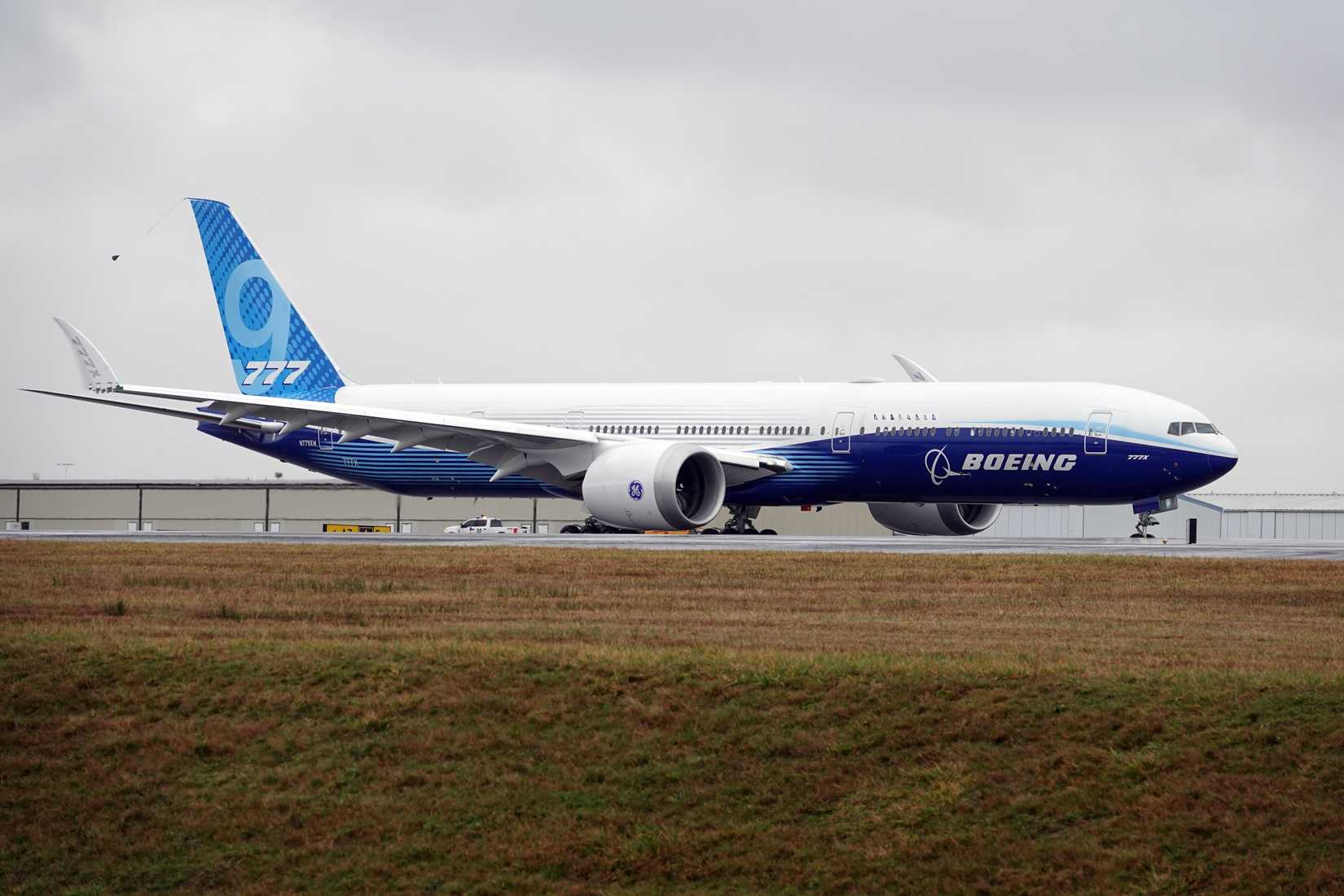
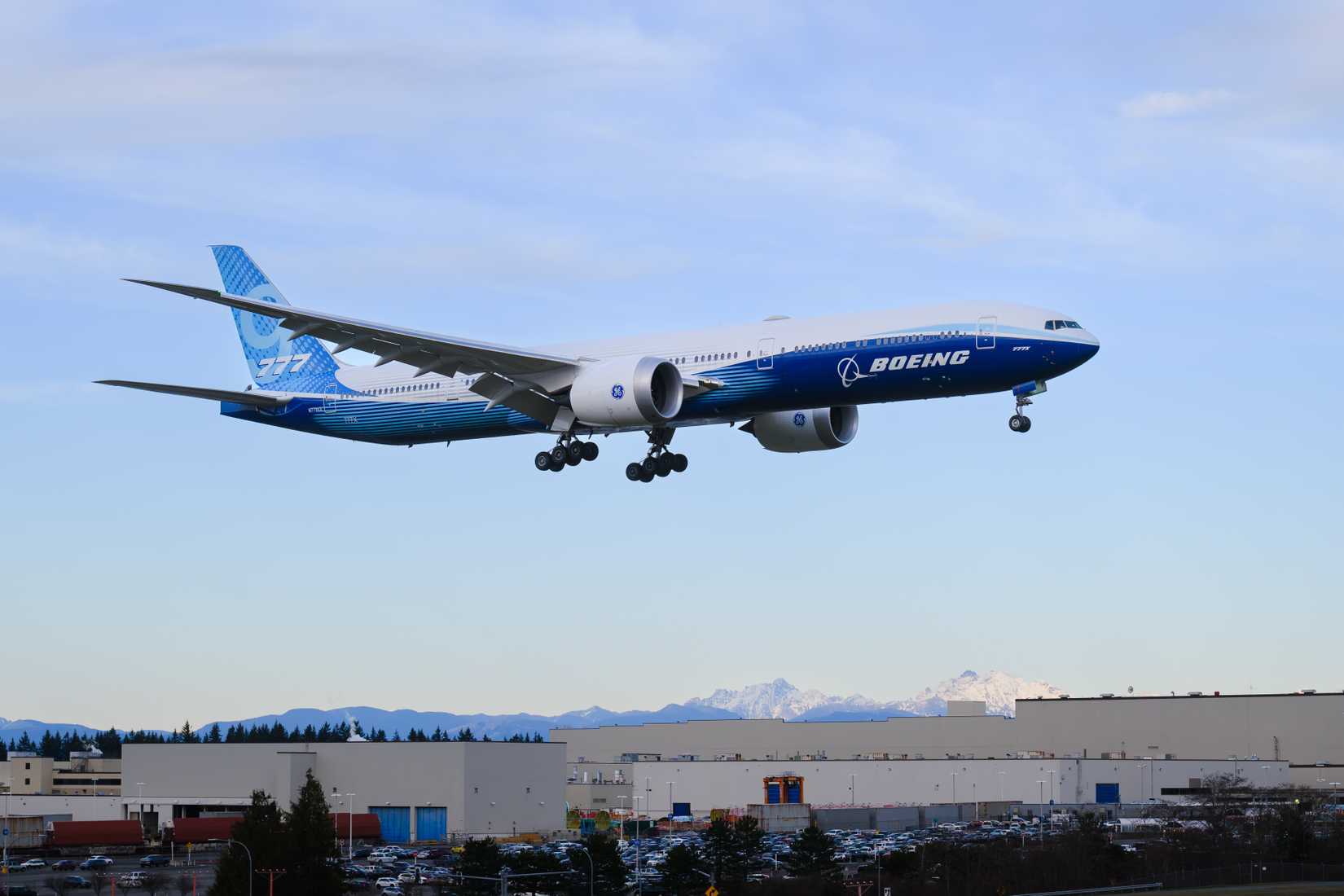
Boeing's 777X program has now accumulated $15 billion in cost overruns and pushed its first delivery target to 2027 — seven years behind the original 2020 schedule — leaving a global fleet of widebody operators in an increasingly difficult operational position. The most recent delay, announced in October 2025, was driven by unresolved FAA certification hurdles tied to GE9X engine durability under high-compression conditions and questions about flight control redundancy architecture. With 521 777-9s, 35 777-8s, and 63 777-8F freighters on order across carriers representing some of the world's busiest long-haul routes, the downstream effects of each successive slip compound. Critically, even once deliveries begin, the production pipeline means most customers will wait additional years to receive their full allocations, stretching the capacity crisis well into the 2030s for the largest order holders.
Emirates sits at maximum exposure with 270 aircraft on order — a number it actually increased by 65 units in November 2025, signaling a strategic commitment that reflects both confidence in the eventual program outcome and a lack of viable alternatives at that scale. The carrier's response has been to extend Boeing 777-300ER operations well beyond their intended retirement windows, absorbing estimated additional maintenance costs of $2–4 million per aircraft annually. The $5 billion fleet retrofit investment across its A380 and 777-300ER fleets underscores the severity of the operational calculus: Emirates is spending heavily to keep aging airframes competitive in premium cabin markets where product consistency is a direct revenue driver. Sir Tim Clark's public statement that "we need these aircraft yesterday" reflects an unusually candid acknowledgment that fleet renewal timelines are no longer discretionary planning exercises but immediate operational constraints.
Lufthansa's approach offers a different model. CEO Carsten Spohr has publicly outlined a contingency built around an accelerated cadence of alternative aircraft deliveries — approximately 27 long-haul frames arriving in a single year — providing a hedge against further 777X slippage without formally abandoning the program. The contrast between Emirates and Lufthansa illustrates how 777X dependency varies by network structure: carriers with highly concentrated widebody capacity requirements face asymmetric risk compared to operators with more diverse long-haul fleets and greater flexibility to substitute aircraft types across routes. Neither carrier has moved to cancel orders in meaningful numbers, which itself is significant — it reflects both the contractual complexity of cancellation and the absence of a direct competitor offering the 777X's specific combination of range, payload, and per-seat economics at scale.
The broader industry dynamic here matters for operators across all segments. The 777X delays have materially strengthened Airbus's negotiating position on the A350 family, and Emirates' November 2025 order for eight additional A350-900s is one visible manifestation of that shift. Airlines that once viewed the A350 as a secondary option are now treating it as a primary fleet planning tool, accelerating deliveries and expanding order books. For aviation professionals, this reshaping of the widebody market has operational relevance beyond the airlines directly waiting for 777X deliveries — it affects the types and vintages of aircraft that will populate long-haul networks, the routes they serve, and the maintenance and type-rating ecosystems that support them. The GE9X certification difficulties in particular are worth monitoring closely, as unresolved powerplant durability questions have direct implications for dispatch reliability and maintenance intervals once the aircraft does enter service.
The 777X saga also reinforces a structural tension that has been building across commercial aviation since the MAX crisis: the FAA's post-MAX certification posture has lengthened approval timelines for complex new systems, and manufacturers that designed programs around pre-2019 certification assumptions have consistently underestimated the time and cost required to satisfy current regulatory standards. For corporate and business aviation operators, the lesson is contextually familiar — the same regulatory environment affecting 777X certification governs advanced avionics, propulsion, and airspace system approvals across all aircraft categories. Programs that acknowledge regulatory timelines realistically in their planning assumptions are increasingly differentiated from those that do not.











 Read original article