Is This World-Class Airline Also The World’s Worst Investor?
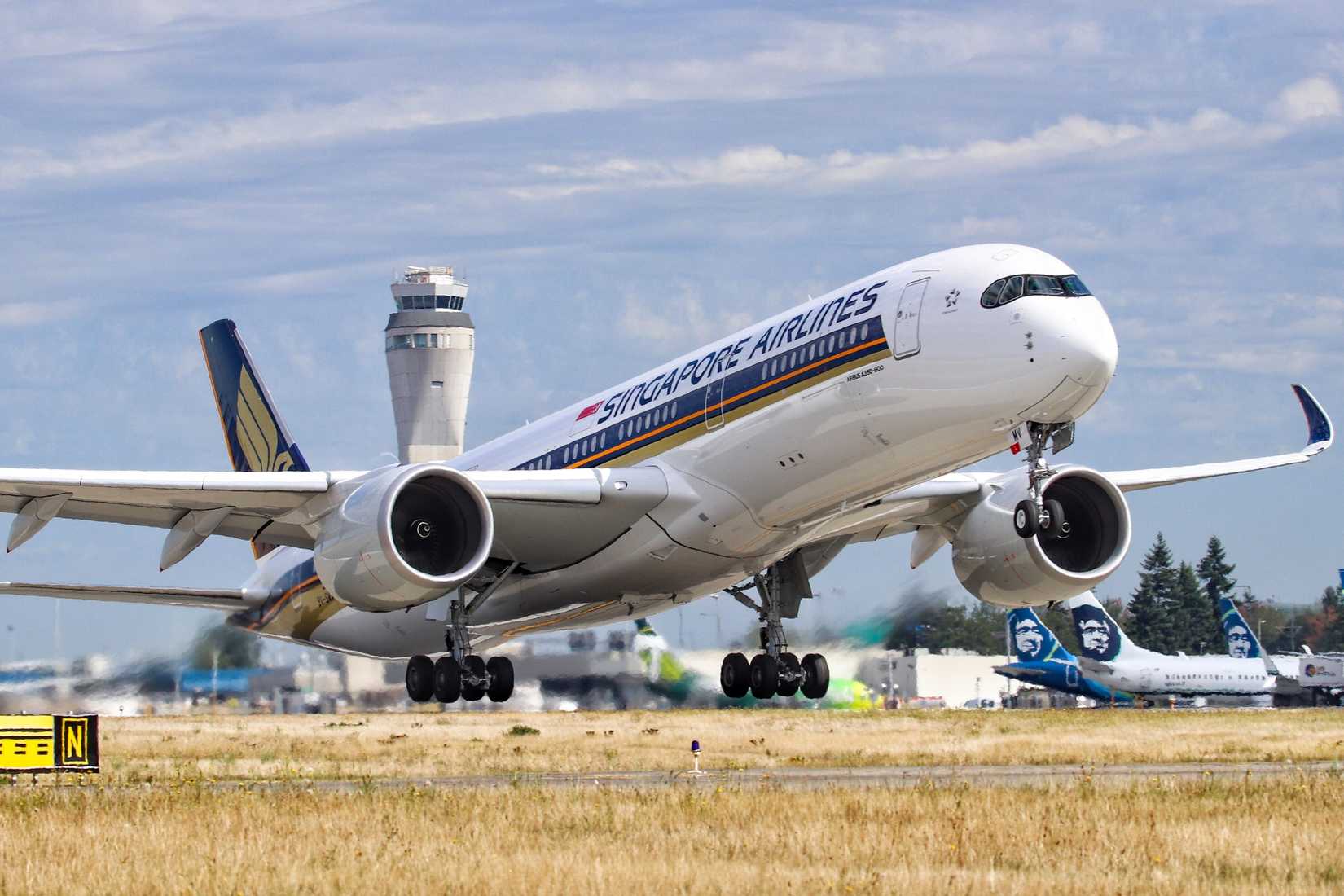
Singapore Airlines (SIA), consistently ranked among the world's finest carriers for operational excellence and passenger experience, has accumulated a quietly damning record as a strategic investor in foreign airlines stretching back more than 25 years. Despite a global reputation for disciplined management and premium service delivery, SIA has repeatedly deployed capital into minority stakes in other carriers — Air New Zealand, Virgin Atlantic, Virgin Australia, Tigerair Australia, NokScoot, and most recently Air India through the Vistara merger — and has seen virtually every one of those investments either collapse outright, require distressed exit, or continue generating losses. Normalized to 2026 dollar values, those accumulated losses now exceed $2.5 billion, surpassing even the damage Etihad Airways sustained during its own ill-fated equity alliance era of the 2010s.
The structural flaw running through nearly every SIA investment is the same: minority stakes in strategically attractive but operationally vulnerable carriers, purchased without sufficient governance control to influence outcomes when conditions deteriorated. The Air New Zealand investment, initiated in 2000 with a 25% stake intended to secure Australasian market access, collapsed not because of anything SIA did wrong operationally, but because Air New Zealand's subsidiary Ansett Australia failed in September 2001. SIA was a passive minority holder inside a cascading crisis it could neither foresee fully nor manage effectively. New Zealand government intervention diluted SIA's stake to 4.5% and blocked further accumulation, leaving the airline with no path forward and an eventual exit in 2004 at a loss of approximately $180 million. That episode established the template that would repeat itself across subsequent decades and multiple geographies.
What distinguishes SIA's record from Etihad's — and arguably makes it more strategically troubling — is persistence rather than catastrophe. Etihad's equity alliance implosion was concentrated, brutal, and ultimately corrective. Under reformed leadership after roughly 2017, Etihad abandoned the minority-stake model, focused resources on its own network and product, and has since returned to profitability and growth. Singapore Airlines has never experienced a single Etihad-scale detonation, but it has also never decisively abandoned the strategy. The Air India situation, which emerged from the 2024 completion of the Vistara merger and left SIA holding a 25.1% stake in the restructured carrier, represents the largest single exposure in SIA's investment history, with losses exceeding $1 billion since the Air India relationship began and the bleed continuing. Air India's operational and financial rehabilitation under Tata Group ownership is a multi-year undertaking with no guaranteed timeline, leaving SIA once again as a minority stakeholder dependent on another organization's execution.
For aviation professionals and operators, particularly those navigating the business aviation and commercial sectors where airline alliances and codeshare relationships shape route access and connectivity, the SIA pattern carries broader implications. The consistent failure of minority-stake airline investment — across geographies, economic cycles, and ownership structures — reinforces a well-established industry conclusion: meaningful strategic control requires either full ownership or deep operational integration, not financial exposure alone. The Swissair Hunter Strategy, the Etihad equity alliance, and now SIA's decades-long investment history collectively demonstrate that commercial aviation's economics, regulatory complexity, labor structures, and political sensitivities routinely overwhelm the boardroom logic of passive strategic stakes. The question SIA's shareholders and leadership face in 2026 is whether the Air India chapter finally produces the kind of corrective reckoning that Etihad required — or whether the cycle will simply continue.













 Read original article