Honeywell Aerospace’s spin-off accelerates its supply chain strategy with success on the line
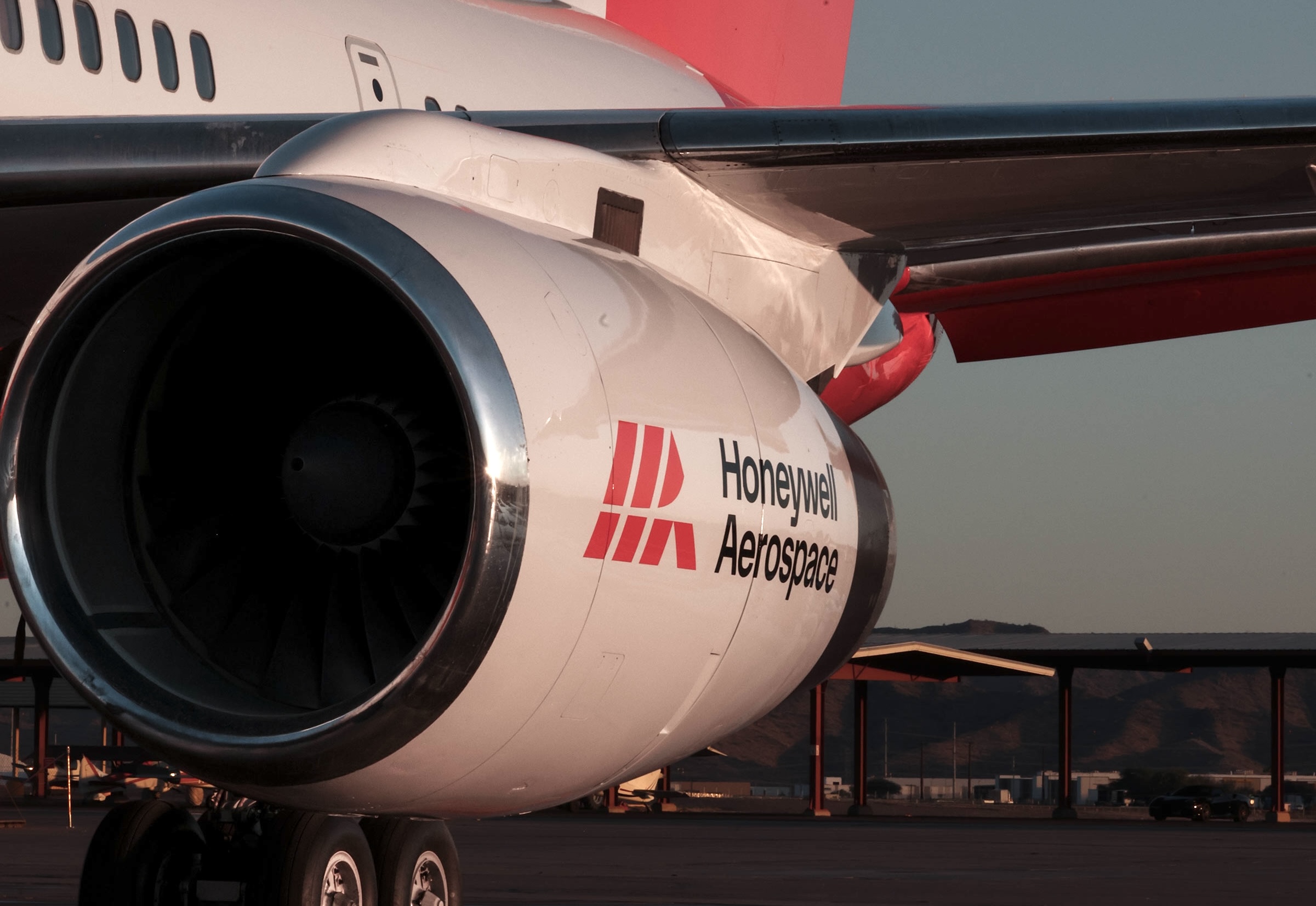
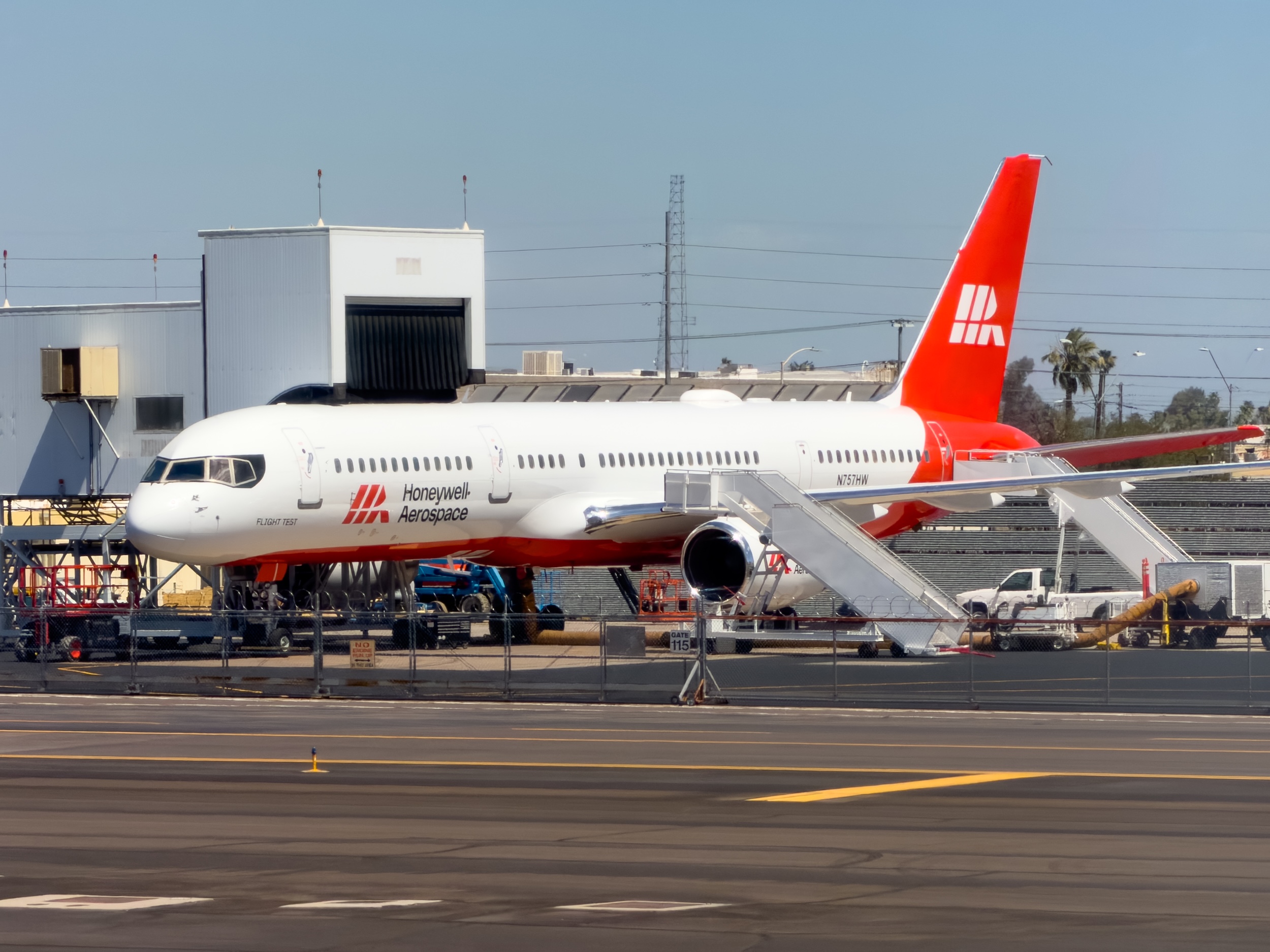
Honeywell Aerospace is preparing to launch as an independent publicly traded company on June 29, with CEO Jim Currier positioning the spin-off as a structural correction to chronic under-investment that accumulated during the company's decades inside a sprawling industrial conglomerate. In a May 29 interview ahead of a formal investor day, Currier acknowledged that capital allocation decisions within Honeywell International were at times "kind of subpar" because aerospace had to compete for resources against divisions producing MRI machines, thermostats, and financial services products. The new standalone entity will be headquartered near Phoenix Sky Harbor Airport, where Currier notes his entire senior leadership team operates within 150 feet of one another — a deliberate signal of faster, more focused decision-making now that the business answers only to aerospace priorities.
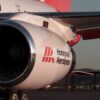
For professional pilots and aviation operators, the practical significance of this restructuring lies in what Honeywell Aerospace actually makes. The company's product portfolio touches virtually every phase of a professional flight operation: auxiliary power units on narrowbodies and widebodies, flight management systems, weather radar, autopilots, cabin connectivity hardware, and avionics suites that appear across Gulfstream, Dassault, Bombardier, and Citation platforms. When a company that deeply embedded in cockpit and airframe systems is chronically competing for capital against non-aerospace divisions, the downstream effects can show up as slower product refresh cycles, longer supply chain lead times, and lagging investment in next-generation certification programs. Currier's framing of the spin-off as ending that dynamic is a direct promise to OEM partners and operators that aerospace R&D and supply chain investment will no longer be subordinated to quarterly decisions about golf cart manufacturers or industrial sensors.
The Honeywell move fits precisely within a broader and accelerating pattern of aerospace pure-play consolidation. General Electric completed its own break-up in April 2024, and the resulting GE Aerospace entity has seen its shares more than double as investors rewarded the focused strategy. RTX Corporation — the successor to United Technologies — had already separated its Otis elevator and Carrier climate control businesses in 2020, leaving Collins Aerospace and Pratt & Whitney as the core. Bombardier, once a conglomerate spanning regional jets, business aircraft, and rail equipment, exited transportation and commercial aviation entirely to concentrate on large-cabin business jets. Textron, parent to Bell Helicopter, Cessna, and Beechcraft, is now shedding industrial businesses including those that produce lawn equipment. The pattern is consistent: investors and boards have concluded that cross-sector diversification no longer hedges risk effectively in aerospace and instead imposes a structural drag on capital deployment and management focus.
For Part 91, Part 135, and airline operators whose fleets depend heavily on Honeywell-supplied systems, the medium-term question is whether independence translates into accelerated product development and improved parts availability. Supply chain constraints on APUs and avionics line replaceable units have been a persistent operational headache across the industry since 2021, and Honeywell has not been immune. A standalone company with direct control over its capital budget and no internal competition for investment dollars is better positioned to fund inventory buffers, accelerate production capacity, and push forward on next-generation avionics certifications — including systems relevant to emerging airspace requirements such as advanced air mobility integration and datalink mandate compliance. Whether that potential is realized will depend on execution, but the structural conditions for it are improving.