Air Canada To Add Signature Plus Suites To Its Boeing 777s - But There's A Catch
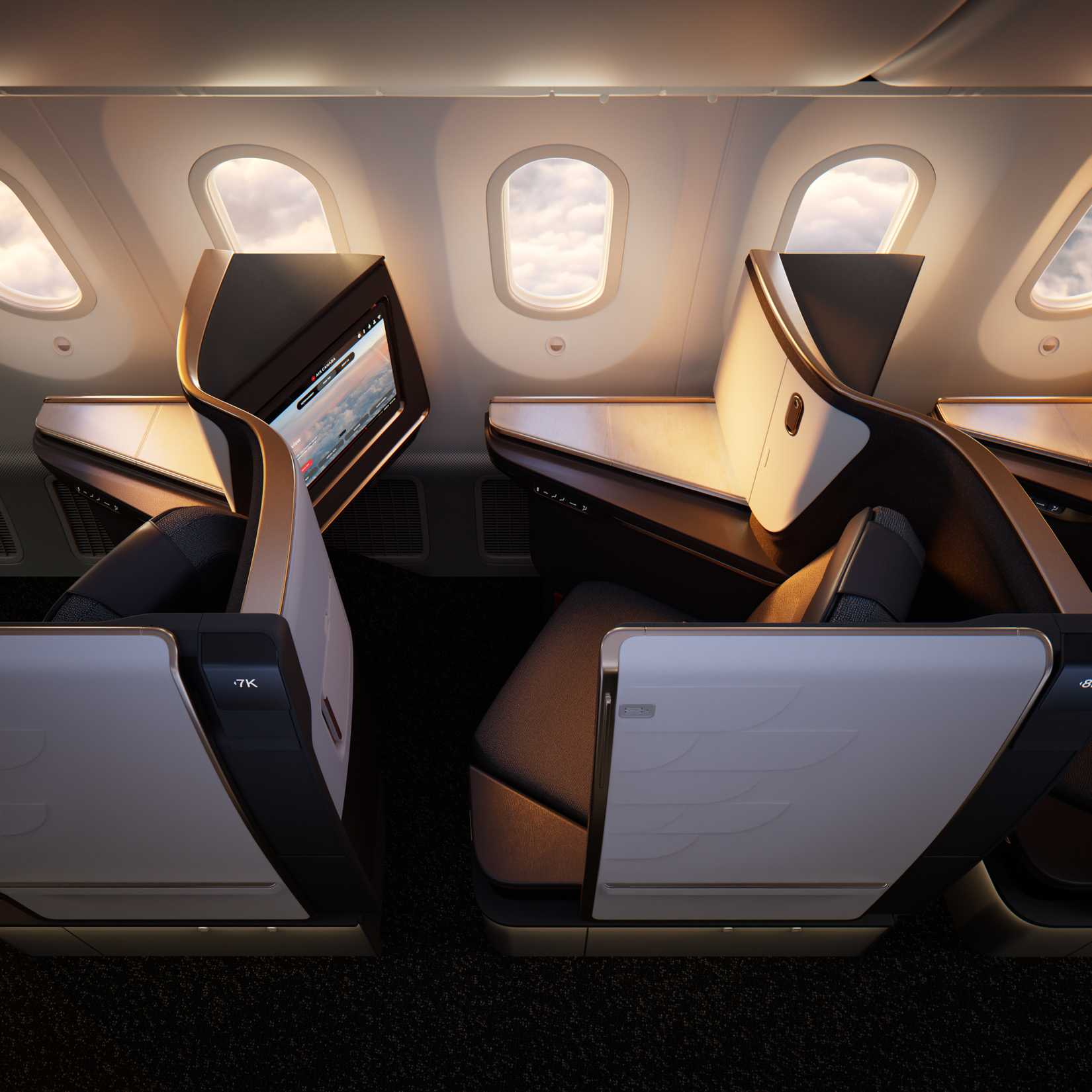
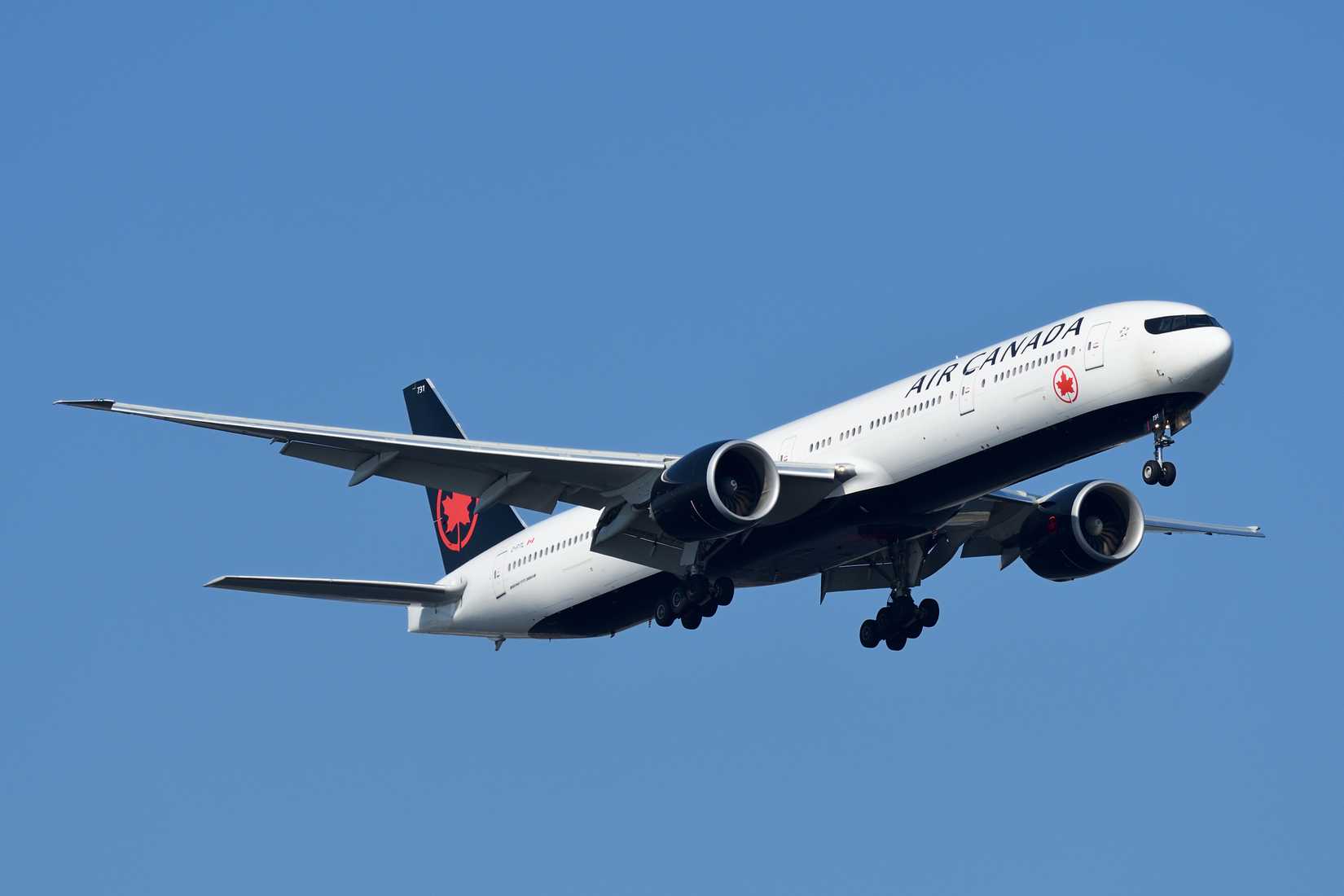
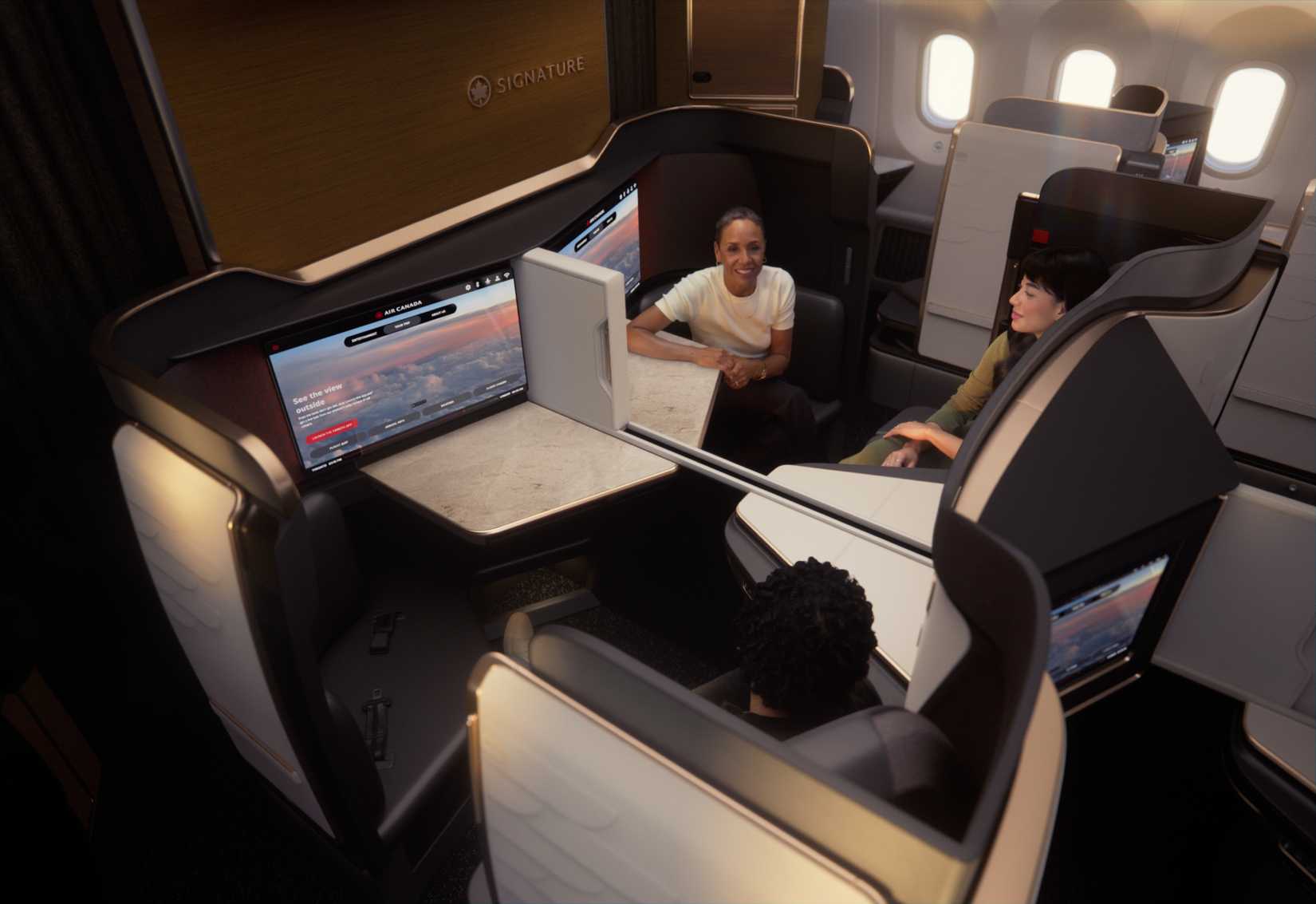
Air Canada has confirmed a comprehensive cabin retrofit program that will bring its new "Glowing Hearted" interior product to 65 existing widebody aircraft, including Boeing 777 variants and the 787-8 and 787-9 Dreamliners currently in operation. The centerpiece of the upgrade is the Signature Plus Business Studios, four suites positioned in the forward row of the business class cabin featuring 2-meter lie-flat beds, 27-inch 4K OLED seatback screens, companion seating, and retractable partitions that allow social configurations of up to four passengers. The retrofit program will not produce its first retrofitted commercial aircraft until 2029, meaning a three-year gap exists between the introduction of the new product on incoming deliveries and its appearance on legacy airframes. The airline's 20 Airbus A330-300s are notably absent from retrofit plans, suggesting those aircraft may be heading toward retirement or reassignment before a cabin overhaul would be justified.
The timing and scope of this announcement carry meaningful operational implications for flight crews and aviation operators. A cabin retrofit of this scale — covering 65 widebody airframes — represents a significant maintenance and out-of-service scheduling challenge. Aircraft entering heavy cabin modification require extended downtime, typically measured in weeks per airframe, which will create rotation pressures across Air Canada's widebody flying program. Crew familiarity with updated cabin systems, emergency equipment locations, and revised cabin configurations will require recurrent training coordination between the airline's flight operations and cabin crew divisions. For corporate and charter operators benchmarking competitive cabin products, the 2029 rollout date signals that Air Canada's full premium product parity across its widebody fleet remains a medium-term objective rather than a near-term market reality.
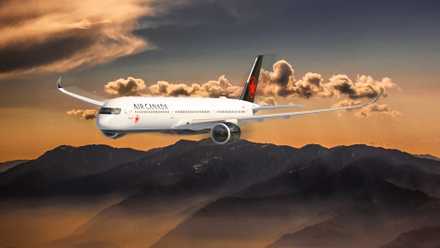
The broader context here is a pronounced industry-wide wave of cabin densification and premium product investment that accelerated post-pandemic and shows no signs of slowing in 2026. Air Canada's strategy mirrors approaches taken by carriers such as United Airlines with its Polaris cabin refresh and Delta's ongoing Airbus A350 and 767 reconfigurations — all emphasizing suite-style business class products with privacy walls and social configurations as competitive differentiators on transatlantic and transpacific routes. The A350-1000 order, with deliveries starting in 2030 and new cabins pre-fitted from the factory, adds a further long-range capability layer that the airline's 777-300ER fleet cannot fully replicate, particularly on ultra-long-haul city pairs where range and fuel efficiency margins are decisive. This aircraft acquisition, layered on top of the 787-10 deliveries and the retrofit program, represents a staged fleet modernization over a five-to-seven-year horizon.
For operators and pilots flying competing widebody equipment, Air Canada's product rollout trajectory underscores a market in which passenger expectations on premium long-haul routes are being reset upward by multiple carriers simultaneously. The Signature Plus suite concept — specifically the social reconfiguration capability and the companion seating — reflects demand data showing that corporate and premium leisure travelers increasingly prioritize flexibility and connectivity in flight over pure seat width alone. From an operational standpoint, the introduction of higher-density premium cabin configurations with more complex partitioning and electrical systems also introduces incremental MEL and cabin systems complexity that maintenance and flight operations teams will need to track carefully as the retrofit program progresses into the 2029–2031 window.





 Read original article