Confessions Of A Flight Attendant: The Wildest Things Cabin Crew Have Ever Witnessed At 30,000 Feet
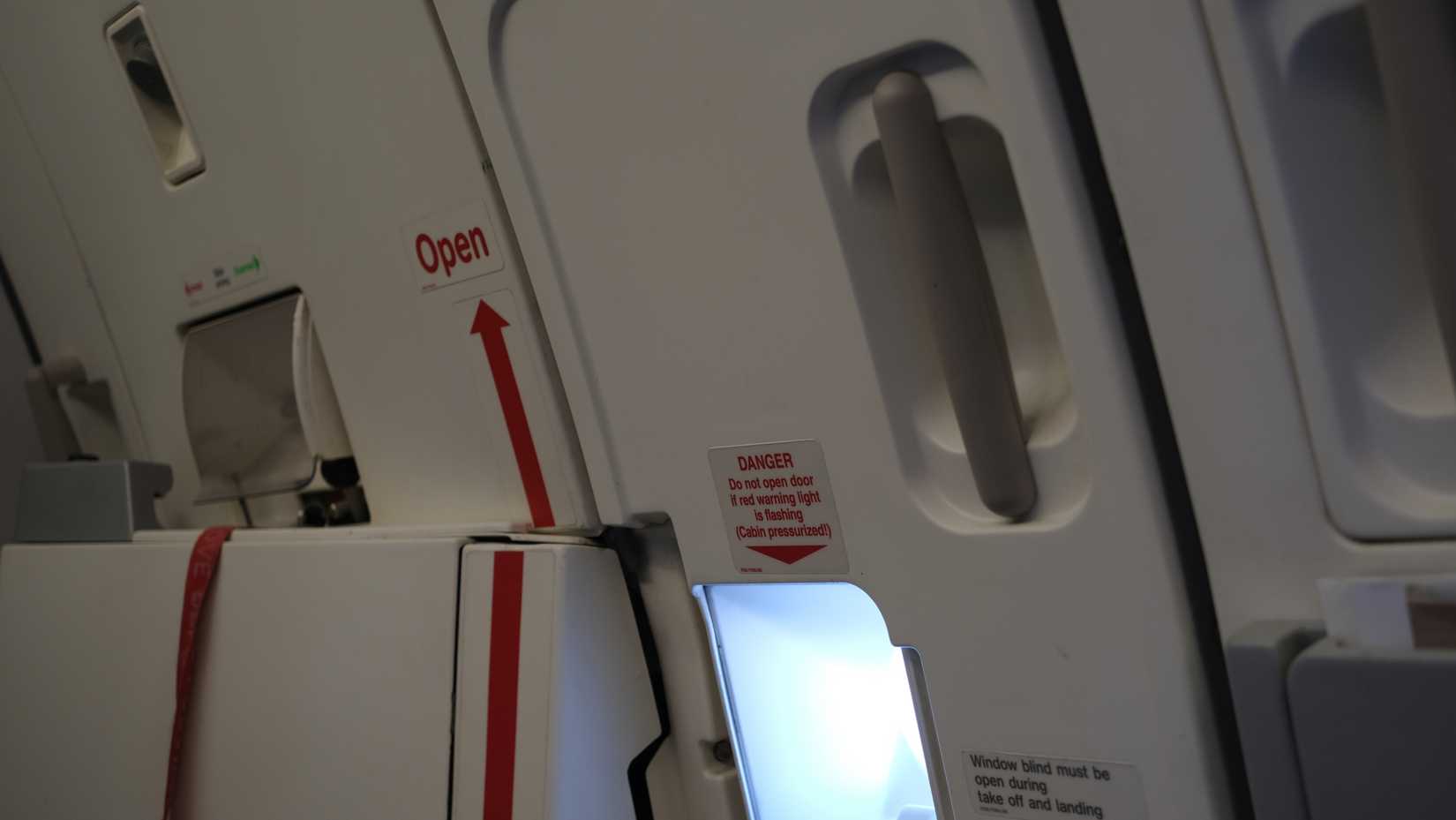
Disruptive and unruly passenger behavior aboard commercial aircraft has become a persistent operational concern that extends well beyond the cabin crew's immediate purview, directly affecting flight deck decision-making, route planning, and crew resource management. A detailed account published by Simple Flying, drawing on the firsthand experience of a former cabin crew member with more than two decades in aviation and a postgraduate background in Human Factors, catalogs the spectrum of dangerous, unhygienic, and psychologically complex behaviors that flight attendants routinely encounter. Among the most operationally serious incidents described are passengers attempting to tamper with lavatory smoke detectors, open emergency exit doors in flight, access the flight deck, and resist crew instructions during evacuations — behaviors that can force immediate diversions, trigger emergency declarations, and place substantial demands on both cabin and cockpit teams simultaneously.
For flight crews operating under Part 121, 135, or 91K frameworks, the scenarios outlined carry direct command implications. A diversion triggered by an unruly or intoxicated passenger requires the captain to coordinate with dispatch, air traffic control, destination ground services, and law enforcement, all while managing the crew's ability to maintain order in the cabin. The article reinforces what IATA and FAA data have increasingly documented: the majority of serious in-flight disruptions involve alcohol, and incidents range from passenger-on-passenger altercations to attempted interference with aircraft systems. Pilots operating long-haul international routes or transcontinental business jet charters must be aware that their authority to divert, and the legal and financial consequences for operators when they do, rests on clear documentation and crew coordination procedures that begin with the flight attendants' initial response.
The fire safety dimension of lavatory smoking deserves particular attention from a technical standpoint. A lit cigarette discarded in a waste receptacle containing paper towels represents a credible ignition source in an environment where fire suppression options are limited and detection-to-response time is compressed. Modern aircraft lavatories include automatic waste bin extinguishers specifically because this scenario has caused fatal accidents historically, most notably the 1983 Air Canada Flight 797 disaster. The article's casual framing of this as a recurring nuisance understates its potential severity, and it serves as a reminder that crew coordination around lavatory check intervals — the article cites twenty-minute cycles — is not merely a passenger service protocol but a fire detection function.
The broader trend reflected in this account aligns with data from the FAA's Unruly Passenger Program, which tracked a sharp spike in reported incidents beginning around 2021 and has continued to document elevated baseline rates compared to the pre-pandemic era. Business aviation operators are not insulated from this trend; private jet and charter crews face analogous challenges, often with smaller cabin teams, less institutional backup, and passengers who may feel that the informal nature of charter travel reduces behavioral constraints. The Human Factors angle raised by the article's author is meaningful here: stress, anxiety, and altered social norms appear to lower inhibition thresholds for a significant subset of passengers, suggesting that pre-flight screening and early intervention protocols are more valuable than post-incident enforcement alone.
For operators developing or revising their crew resource management and disruptive passenger procedures, the experiential picture assembled here reinforces the value of investing in cabin crew training that emphasizes de-escalation, early identification of at-risk passengers at the gate, and clear communication channels between cabin and flight deck. The article notes that intoxicated or aggressive passengers can legally be refused boarding — a proactive tool that is frequently underutilized relative to the downstream cost of a diversion, law enforcement response, and potential aircraft damage. As regulators in both the United States and Europe continue to evaluate whether existing penalty structures are sufficient deterrents, operators would be well served by ensuring their own policies, and their crews' confidence in applying them, remain current.









 Read original article