Eco-Aviation Archives - Leeham News and Analysis
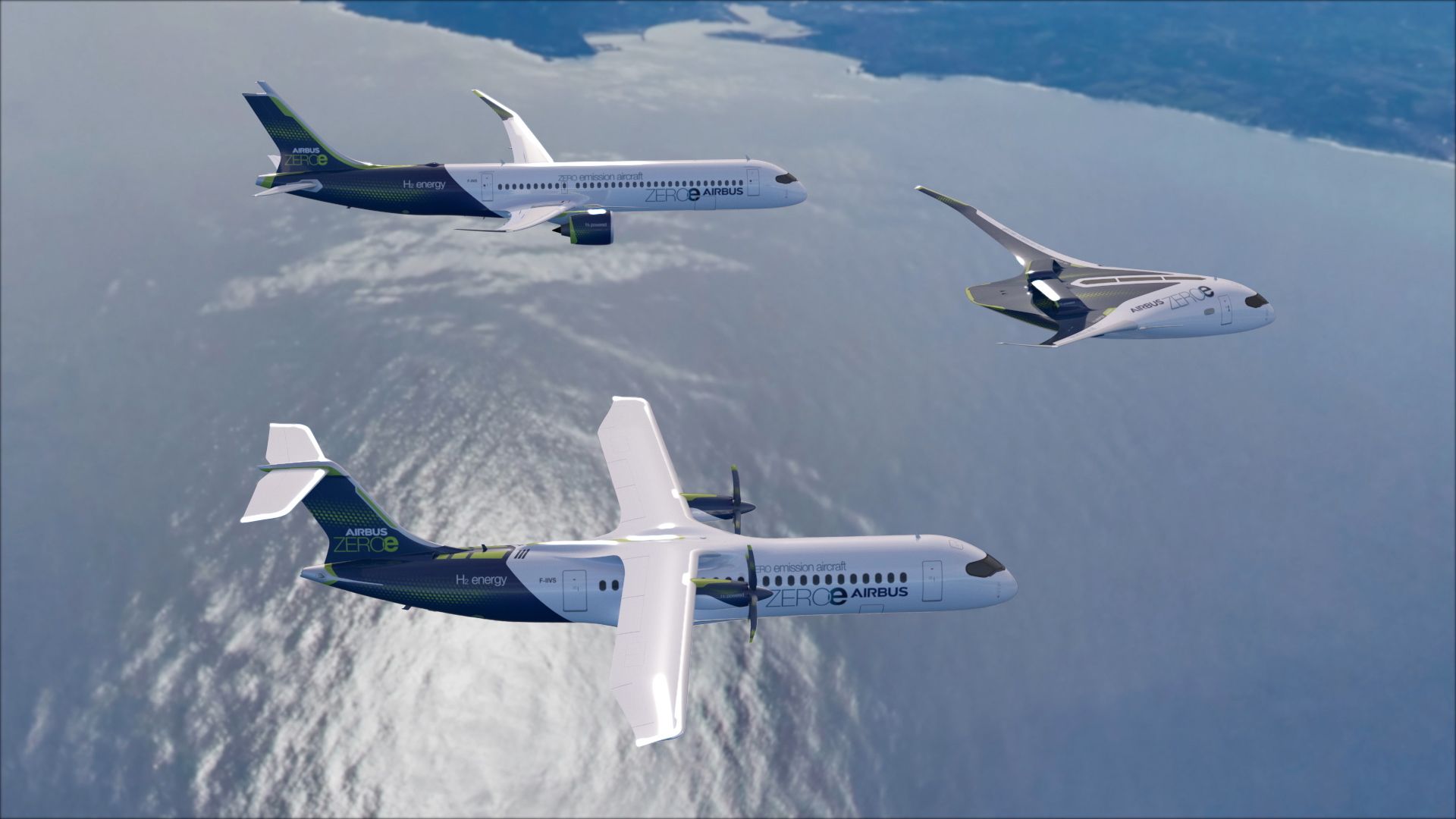
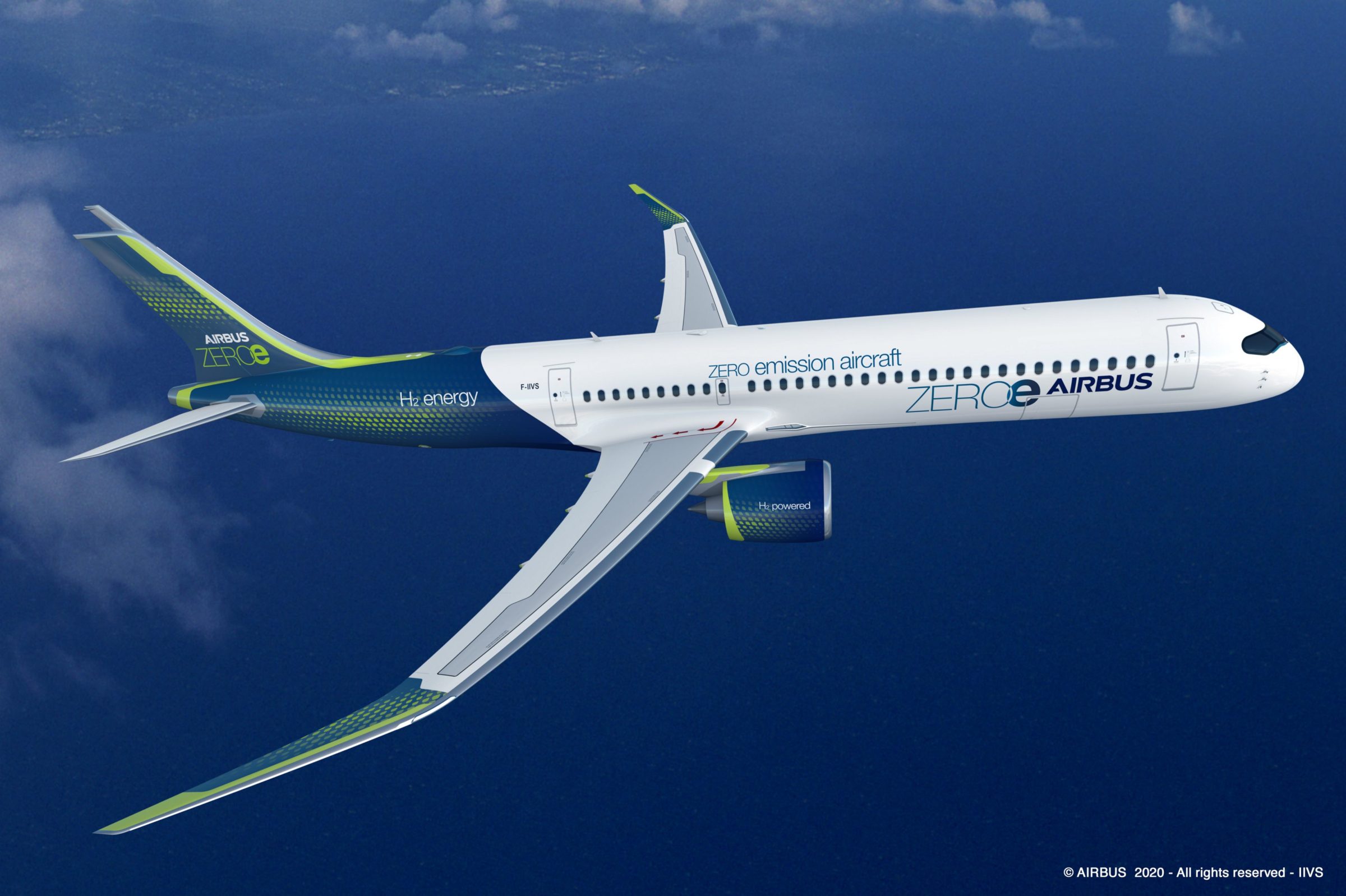
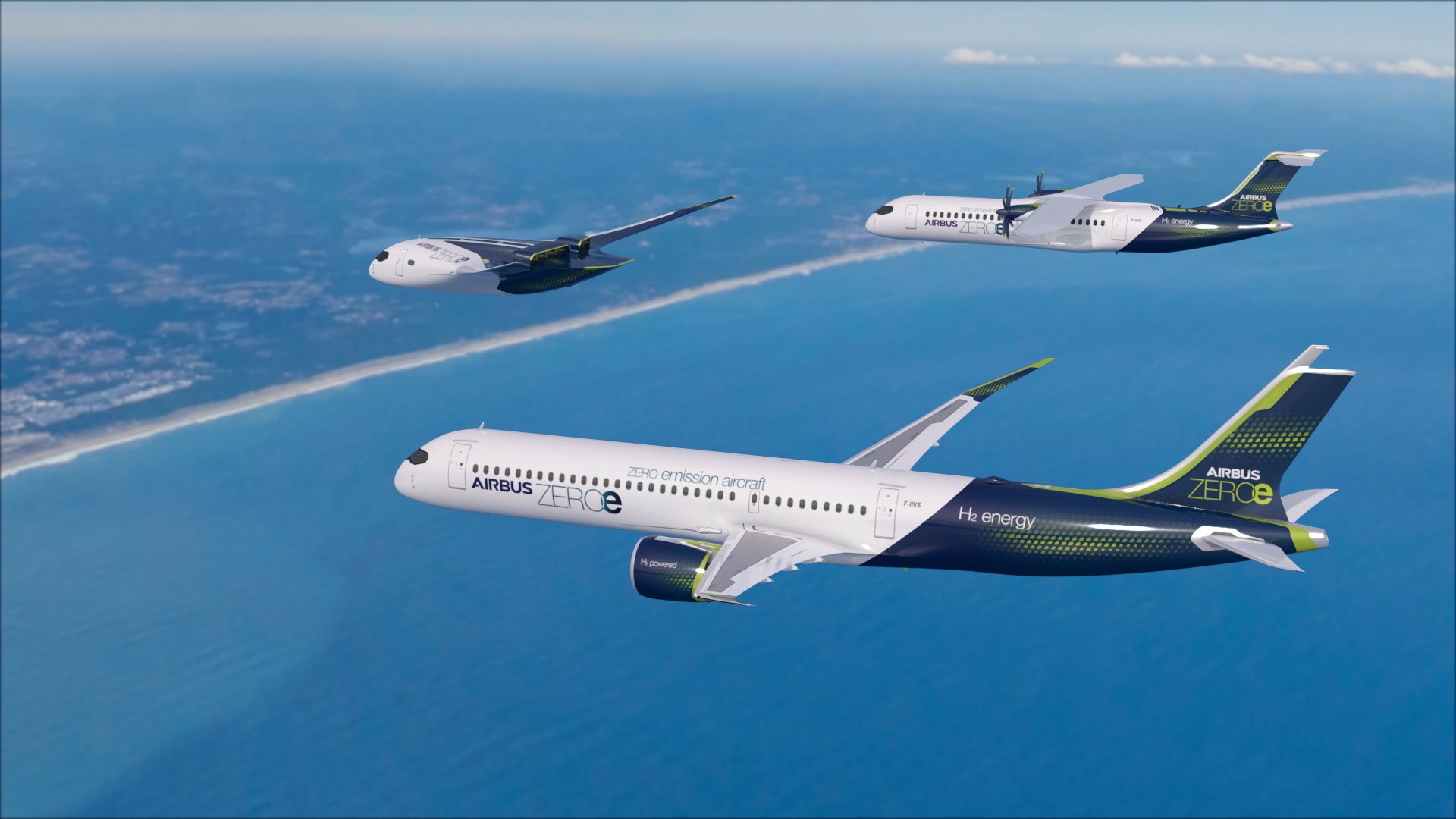
Airbus' ZEROe hydrogen program, born not from internal engineering conviction but from the conditions attached to French government pandemic relief funding in 2020, has followed a trajectory that aviation industry insiders predicted from the start: a retreat from ambitious timelines as technical and economic realities asserted themselves. When Airbus accepted hundreds of millions of euros from Paris during the COVID-19 crisis, it accepted with it an obligation to demonstrate commitment to clean propulsion, unveiling three hydrogen concept aircraft in September 2020 and pledging commercial service by 2035. That pledge covered a tube-and-wing mainline jet, a propeller aircraft, and a blended wing body configuration. By 2025, Airbus had quietly pulled back from the 2035 target, confirming what an Airbus insider told Leeham News and Analysis as early as 2024 — that the hydrogen effort would be walked back within roughly two years of that disclosure.
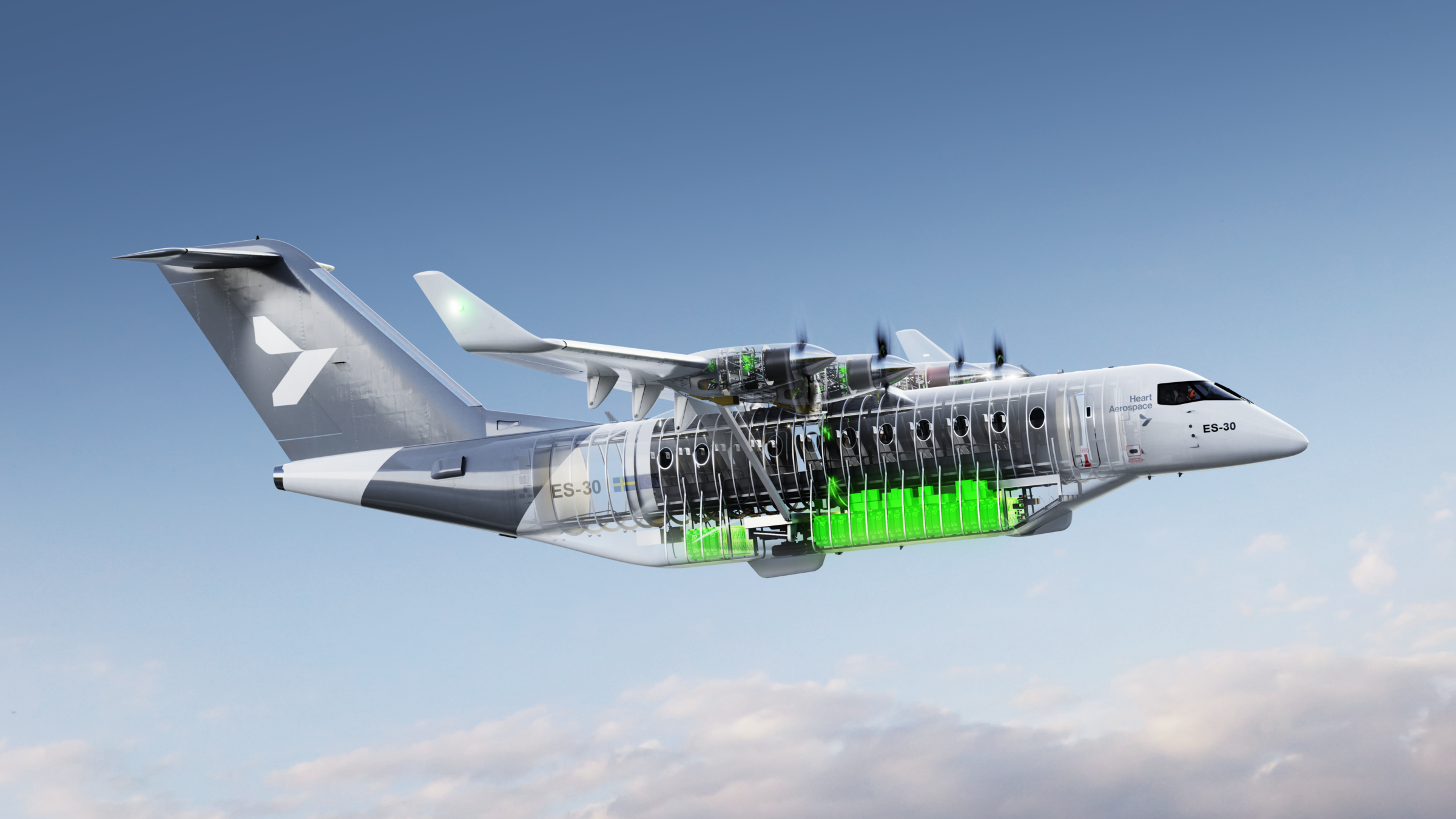
The technical analysis published in the ongoing Leeham series on alternative propulsion provides the engineering rationale underlying this retreat. Bjorn Fehrm's multi-part examination moves systematically through the alternative propulsion hierarchy, establishing that battery-electric aircraft lack operationally acceptable range, that hybrid-electric architectures introduce production complexity and cost without delivering meaningful operating cost improvements over conventional aircraft, and that hydrogen — whether burned in a gas turbine or processed through a fuel cell — represents the only current pathway to an operationally viable zero-emission airliner. Even within hydrogen propulsion, the two approaches carry distinct trade-offs: fuel cell systems eliminate inefficient batteries but add electrical drivetrain mass, while gas turbine hydrogen combustion preserves the superior power-to-mass ratio of jet engines at the cost of heavier and more complex cryogenic fuel systems. Neither solution is near-term ready at commercial scale for mainline operations.
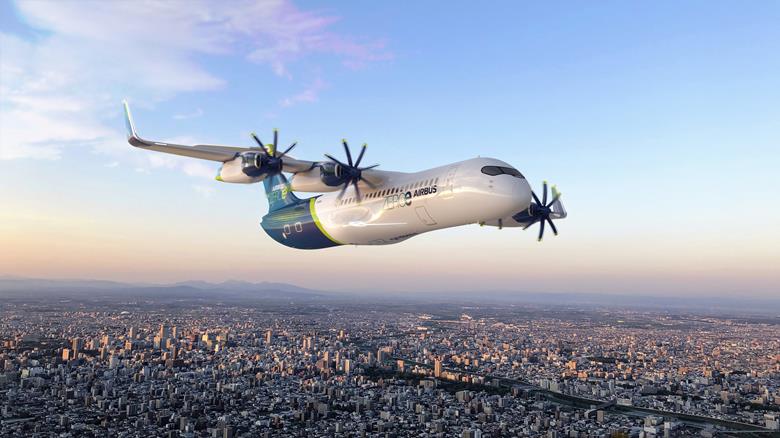
For pilots and operators in Part 91, 91K, 135, and airline operations, the significance of Airbus' ZEROe evolution is primarily strategic rather than immediately operational. No hydrogen-powered commercial airliner will enter a flight department's fleet within the planning horizon relevant to current fleet decisions, and the 2035 target Airbus originally cited should now be understood as effectively abandoned. What remains active is the ATR commitment — ATR being 50% owned by Airbus — to a hybrid-electric turboprop by 2029. That timeline, and the concurrent Pratt & Whitney parallel hybrid DHC-8-100 test program currently in preparation, places hybrid propulsion demonstration activity in the near-term window, though Fehrm's analysis underscores that hybrid aircraft economics do not yet favor operators. The car-hybrid analogy frequently invoked in public discourse does not survive technical scrutiny in aviation: automotive hybrids recover braking energy wasted by thermally inefficient internal combustion engines, but aircraft gas turbines already operate at efficiencies that leave little comparable waste to recover, diminishing the hybrid value proposition considerably.
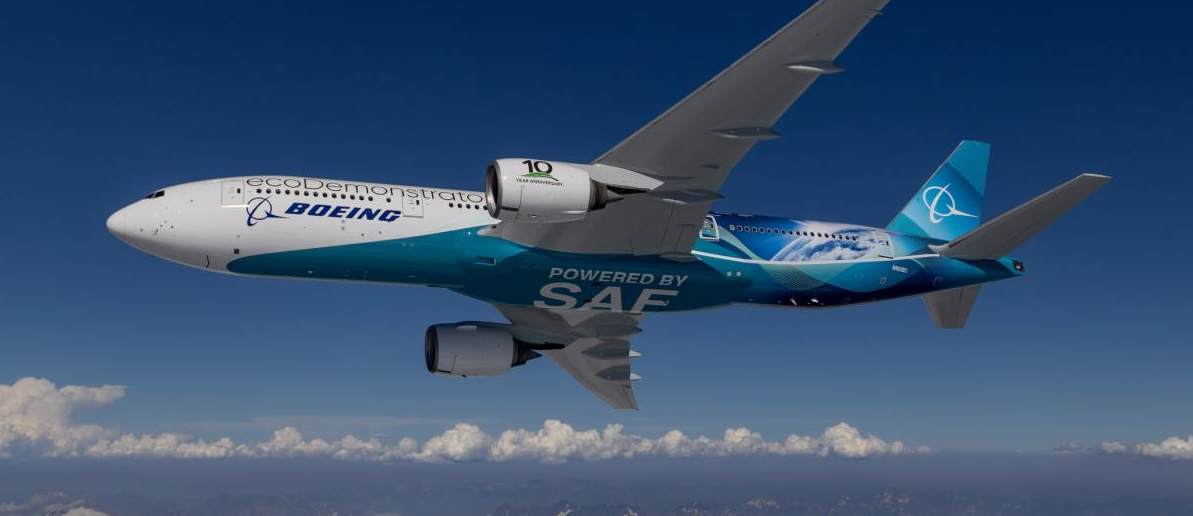
The broader industry pattern visible across this Leeham coverage reflects a maturation of eco-aviation discourse from aspirational government-linked commitments toward engineering-grounded realism. The sustainable aviation fuel pathway, by contrast, requires no new propulsion architecture and is already compatible with existing certified aircraft, which continues to make SAF the most immediately actionable emissions-reduction lever for commercial and business aviation operators. Hydrogen and hybrid programs remain relevant as long-cycle research investments, but their regulatory, infrastructure, and certification challenges mean that the aircraft types flying today — and their direct successors in current development pipelines — will be SAF-dependent rather than hydrogen or battery-electric platforms. Fleet planners and chief pilots evaluating long-range procurement decisions should read the ZEROe pullback not as an isolated setback but as a recalibration of the entire sector's timeline expectations for propulsion transformation.






 Read original article