ZEROe Archives - Leeham News and Analysis
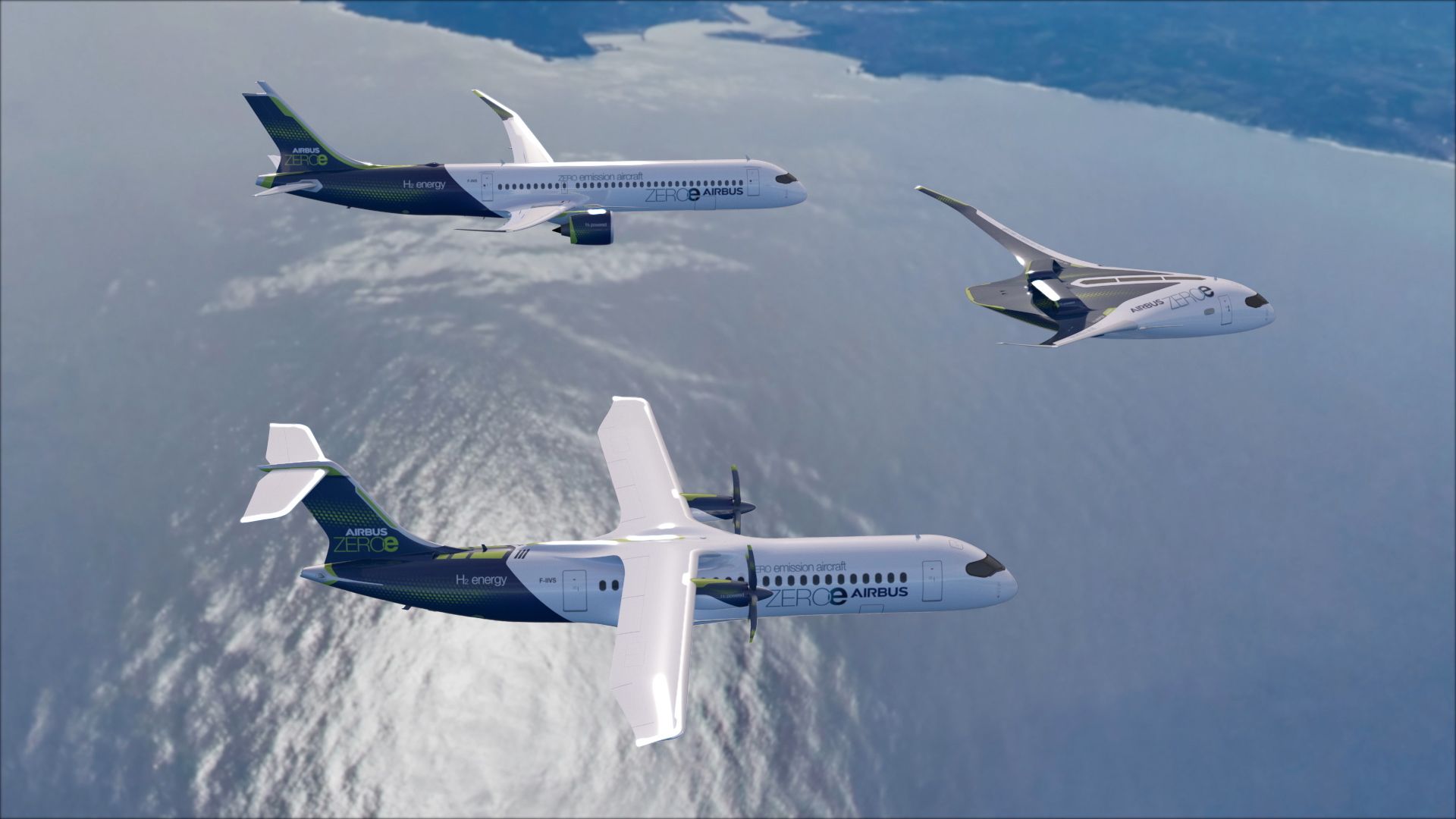
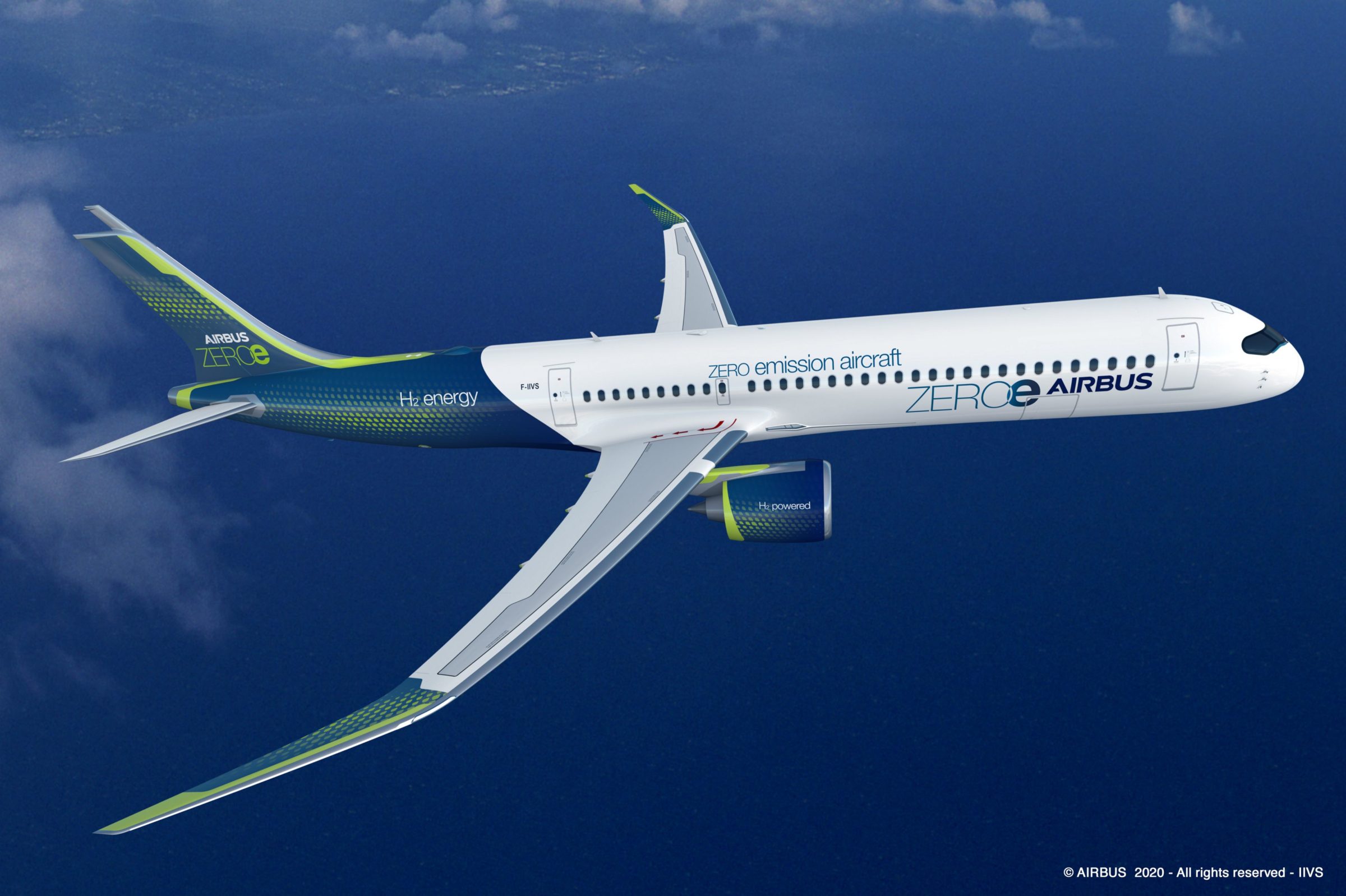
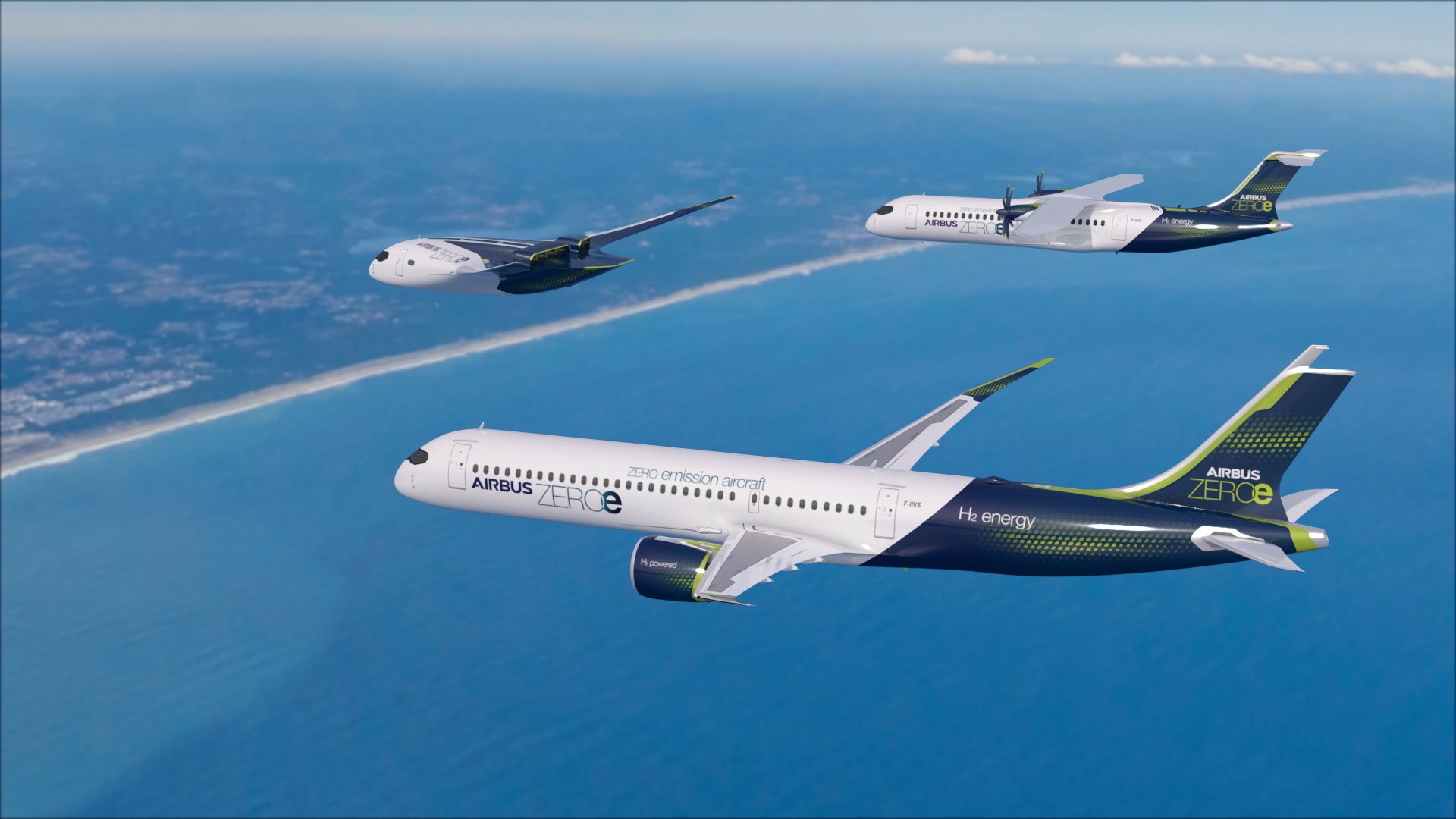
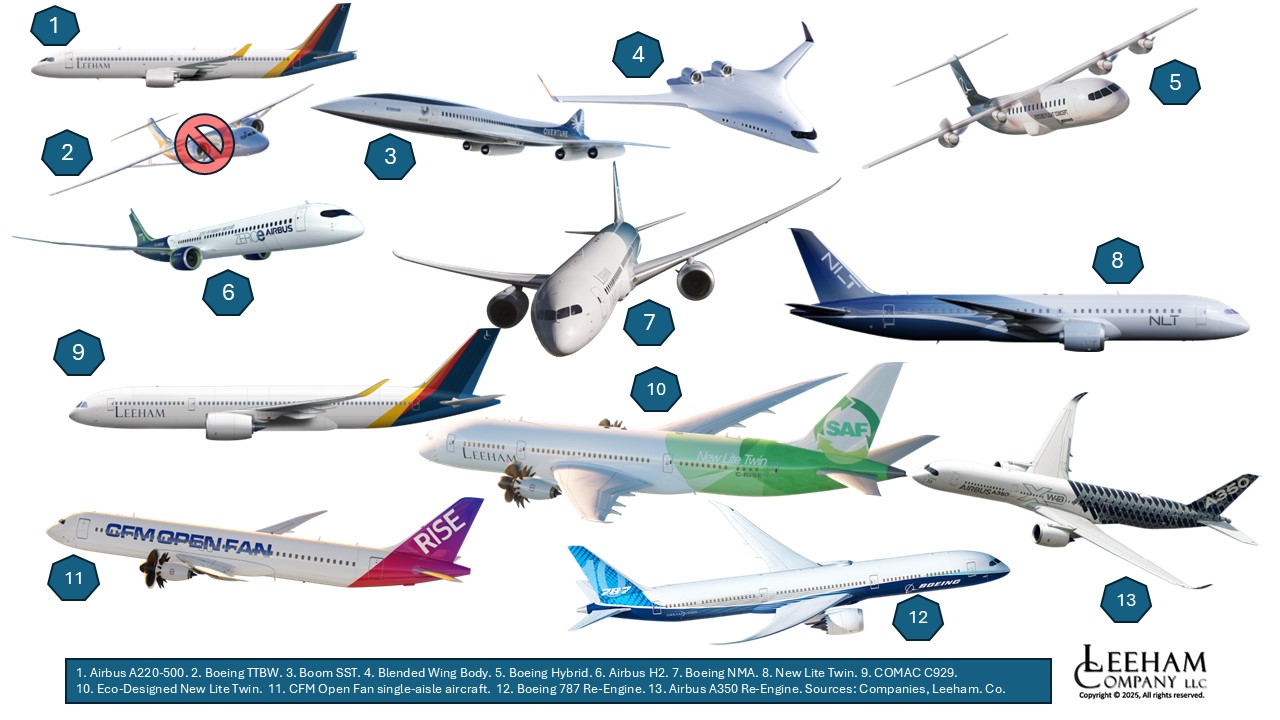
Airbus' ZEROe hydrogen program, born as a condition of French government pandemic relief in 2020, has effectively stalled after a formal pullback in 2025, raising significant questions about the timeline and shape of the OEM's next clean-sheet aircraft. When Airbus accepted hundreds of millions of Euros from Paris during the COVID-19 crisis, it pledged to accelerate hydrogen research and committed publicly to a hydrogen-powered commercial airliner in service by 2035. Three concept configurations were unveiled — a turboprop, a conventional tube-and-wing jet, and a blended wing body — representing the full spectrum of hydrogen integration scenarios the company was willing to explore. That commitment, as Leeham News and Analysis has tracked across multiple analyses, was viewed skeptically inside Airbus itself from the outset, with insiders reportedly predicting the 2035 target and broader H2 effort would be abandoned within two years. That prediction proved accurate ahead of schedule.
The technical reasons for the retreat are substantive, not merely political. Leeham's ongoing series on alternative propulsion has systematically evaluated the two primary hydrogen pathways — fuel-cell-electric systems and direct hydrogen combustion in gas turbines — and found both encumbered by serious operational and economic obstacles. Fuel-cell systems eliminate the range penalty imposed by battery-electric designs but introduce significant weight, complexity, and infrastructure dependencies. Hydrogen combustion in a gas turbine preserves the favorable power-to-mass ratio of conventional jet engines but demands a heavier, more complicated fuel system and creates NOx emissions at altitude that carry their own warming implications. Hybrid-electric concepts, which emerged as a middle-ground solution when battery-electric range limitations became undeniable, have fared no better analytically: Leeham's assessments conclude they are more expensive to produce, more expensive to acquire, and offer no operational cost advantage over the aircraft they are designed to replace.
For commercial and business aviation operators, the significance of Airbus' retreat from ZEROe lies in what it reveals about the realistic horizon for fleet replacement under genuinely clean propulsion. Airlines and large flight departments that have structured sustainability commitments or emissions-reduction roadmaps around the assumption of a new-generation, hydrogen-capable narrowbody arriving in the mid-2030s now face a planning gap. Airbus' next new airplane — whatever form it takes — will almost certainly arrive as an advanced conventional-propulsion or SAF-optimized design rather than a hydrogen platform, with the clean-fuel transition relying on sustainable aviation fuel blends for the foreseeable future. This has direct implications for fuel hedging strategy, fleet planning cycles, and the credibility of net-zero commitments made to shareholders and regulators.
The one near-term alternative-propulsion development that has survived scrutiny is the ATR hybrid-electric turboprop, with ATR — half-owned by Airbus — committing in February 2026 to a hybrid-electric successor to the ATR 72 series by 2029. That program, which Leeham is tracking as part of its broader next-generation aircraft analysis, represents a more constrained but technically achievable application: turboprop regional operations impose lower power and range demands than mainline jet routes, making hybrid-electric architecture feasible where it is not for larger aircraft. For regional operators flying current-generation ATR fleets under Part 135 or equivalent international frameworks, this timeline carries direct fleet relevance. The contrast between ATR's incremental hybrid approach and Airbus' abandoned hydrogen ambitions reflects a broader industry recalibration — one in which the gap between aspirational sustainability targets and engineering reality has forced a retreat toward achievable, if less revolutionary, near-term solutions.





 Read original article