Boeing's Backlog Of Broken Promises: The Aircraft That Keep Getting Pushed Back
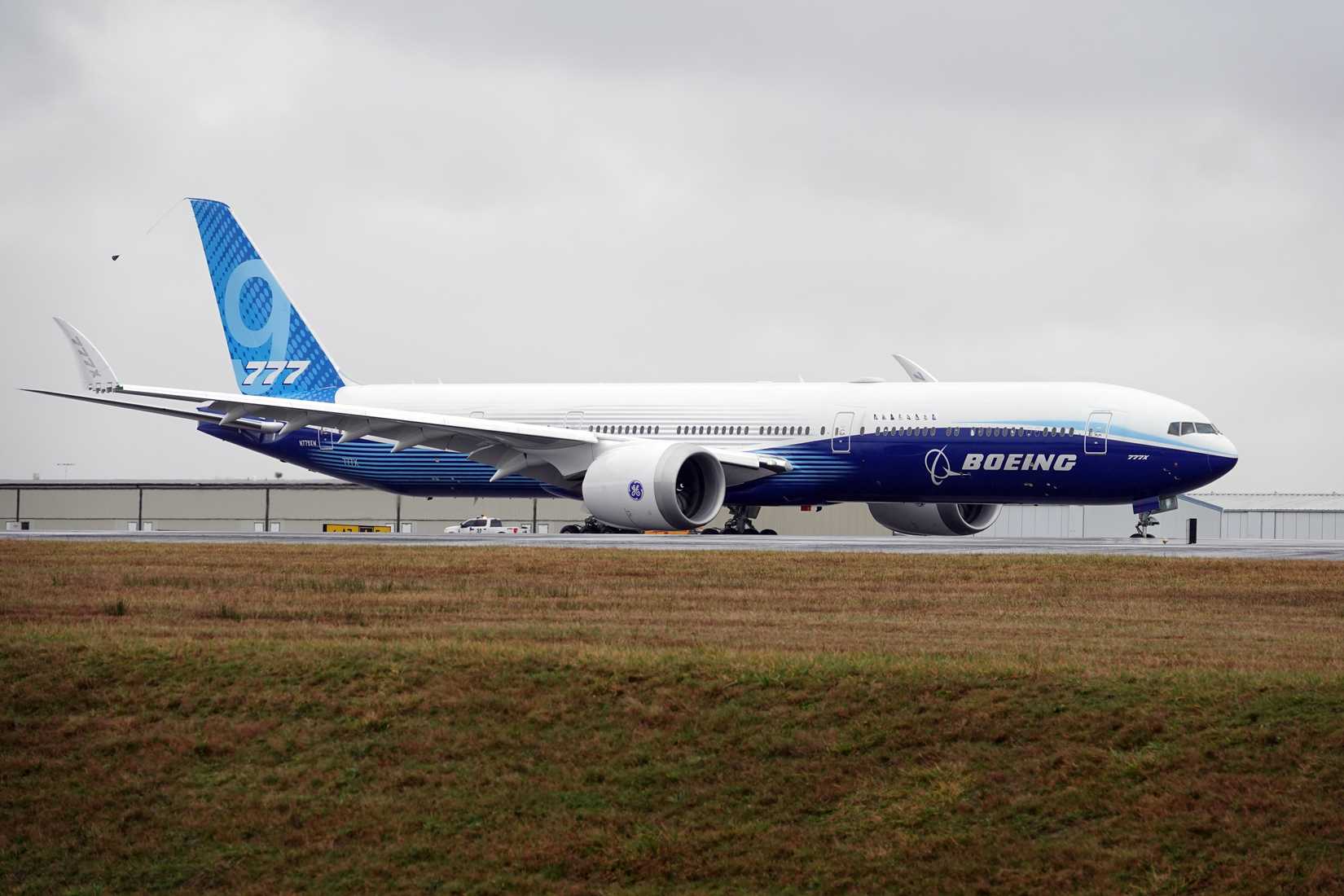
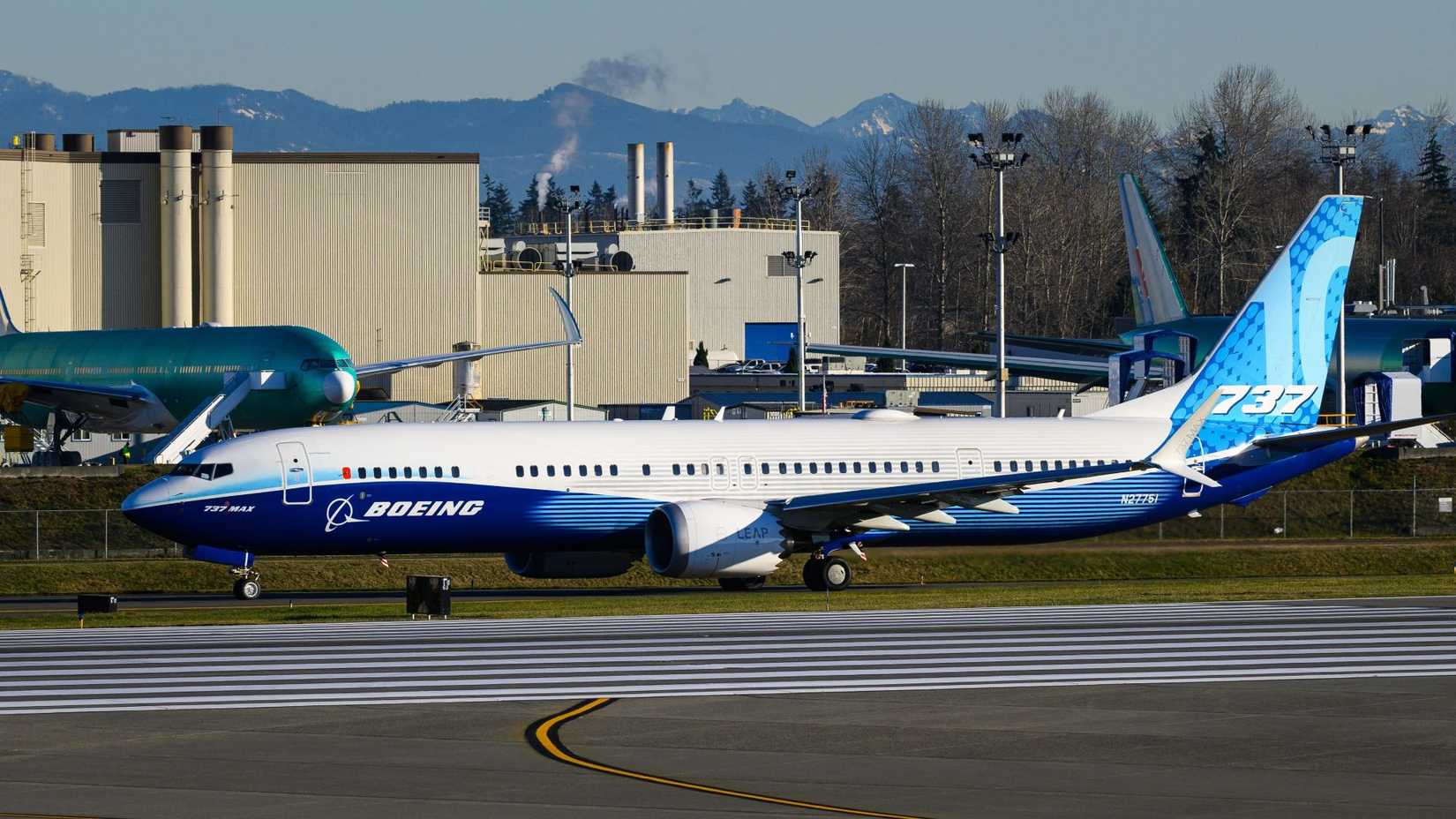
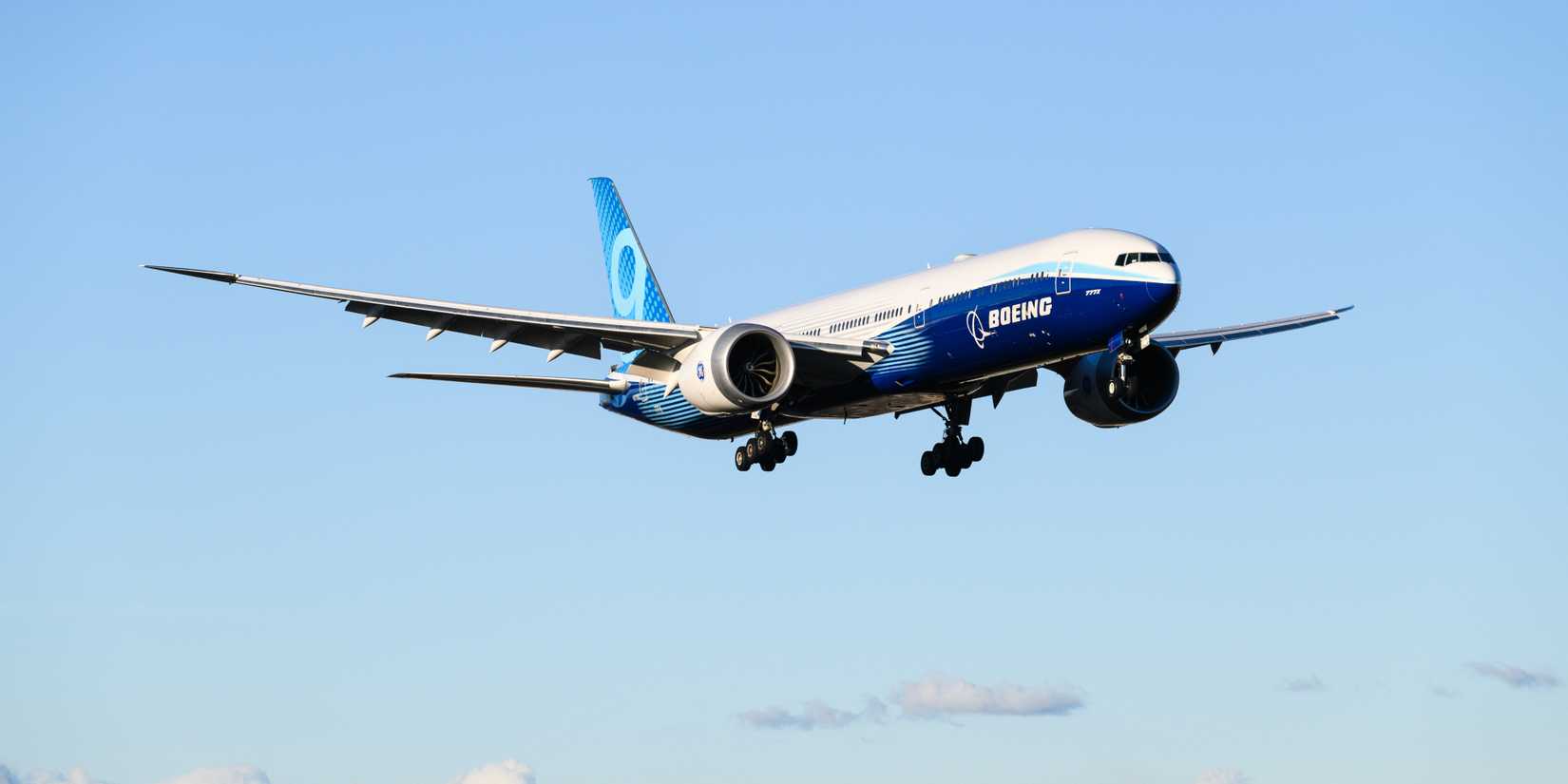
Boeing's accumulation of delayed aircraft programs has fundamentally altered the commercial aviation landscape in ways that directly affect fleet planning, route economics, and competitive positioning for operators across every segment of the industry. The 777X program, now carrying a seven-year delay from its originally projected 2020 entry into service, has absorbed approximately $15 billion in charges and continues to reshape long-haul strategy at major carriers. The uncertified 737 MAX 7 and MAX 10 variants, still awaiting FAA certification approval as of mid-2026, have left Boeing without competitive answers in two critical narrowbody market segments where Airbus has capitalized heavily. Together, these delays represent not isolated program setbacks but a systemic erosion of Boeing's ability to execute large-scale aircraft development within commercially viable timelines.
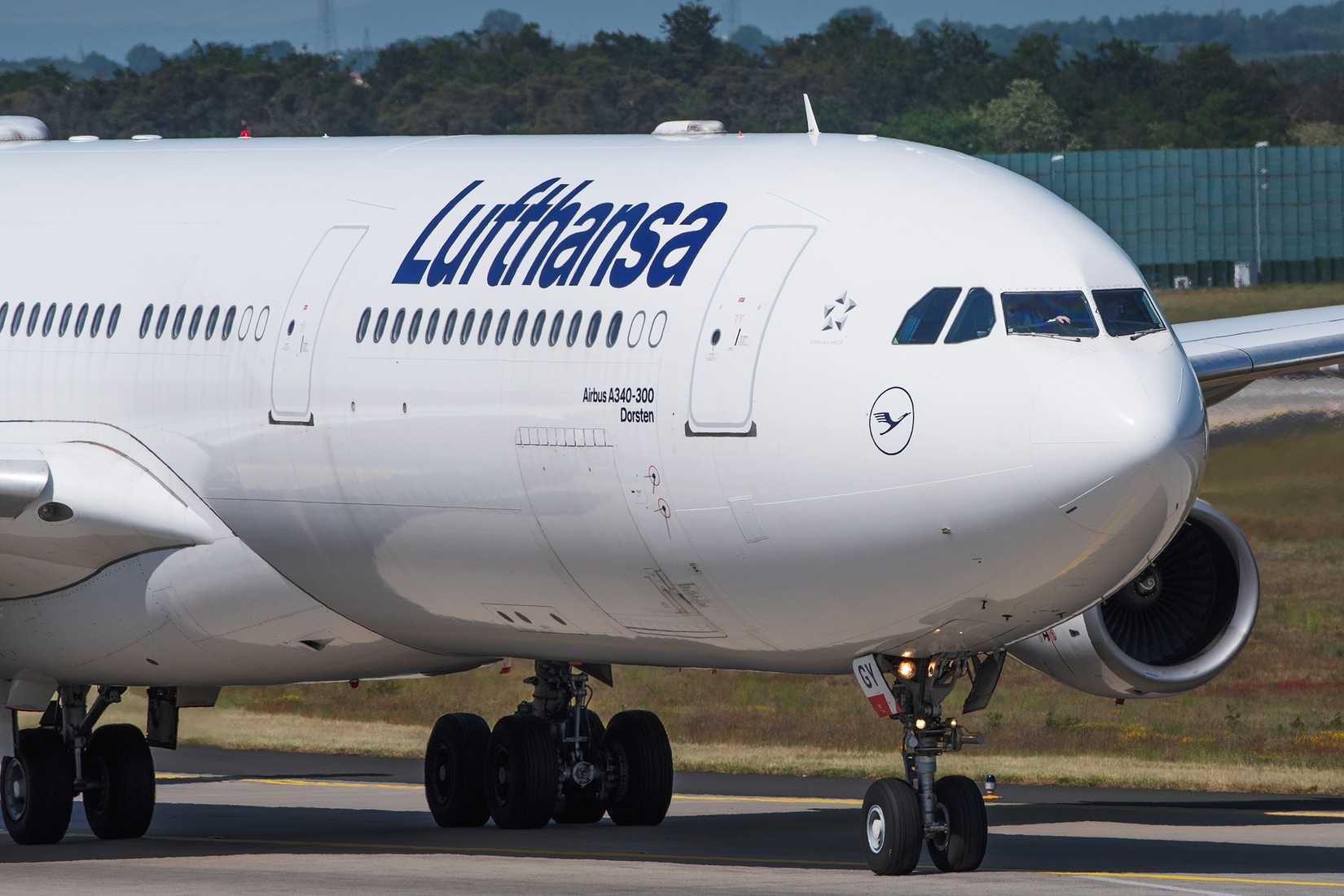
For airline operators and the flight departments that support them, the consequences are operational and financial. Carriers expecting 777X deliveries for premium cabin launches, ultra-long-range routes, or aging widebody replacements have been forced to extend the service lives of aircraft such as the Boeing 747 and Airbus A340, jets that carry substantially higher operating costs per seat mile than the aircraft they were supposed to replace. Lufthansa's continued operation of the A340 into service periods well beyond its originally planned phase-out illustrates the cascading effect of program delays on depreciation schedules, maintenance costs, and cabin product competitiveness. Emirates, holding the largest order book for the 777X, has expressed sustained frustration that speaks directly to how airline planners manage yield strategy and fleet utilization when expected delivery windows repeatedly collapse. For corporate flight departments and charter operators tracking the widebody market, these delays also suppress used aircraft availability and pricing signals that would otherwise normalize as new production entered the fleet.
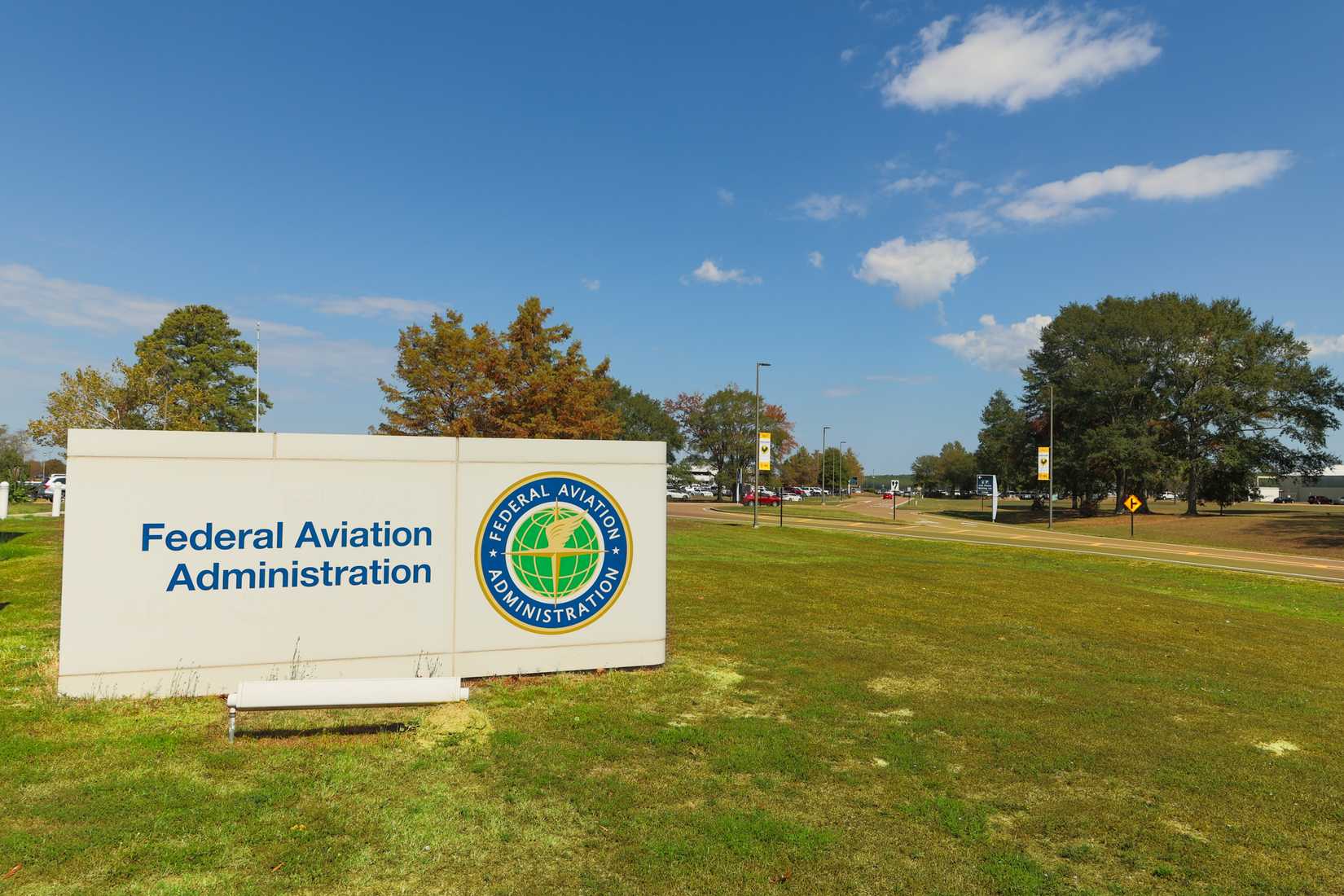
The MAX 7 and MAX 10 certification situation carries particularly significant implications for the narrowbody market that drives the bulk of domestic and short-to-medium haul commercial flying. The engine anti-ice system deficiency requiring an engineering redesign rather than an operational fix represents precisely the kind of discovery that extends FAA validation timelines dramatically under the post-MAX crash regulatory environment. The FAA's post-2019 posture toward Boeing certification has transformed into exhaustive documentation and validation requirements that, while arguably appropriate, mean that engineering changes which once might have been resolved administratively now require full revalidation campaigns. Southwest Airlines, which operates an all-737 fleet and has structured its network economics around MAX 7 deliveries for years, has had to absorb planning uncertainty that affects everything from pilot training pipelines to gate utilization projections. Professional pilots at Southwest and similar carriers have watched projected fleet transitions stall repeatedly, with implications for base assignments, equipment qualifications, and seniority-driven upgrade timelines.
The broader competitive consequence is the continued market share consolidation Airbus has achieved through the A321neo family during Boeing's extended absence from the high-capacity narrowbody segment. The A321neo and its XLR variant have secured orders from airlines globally that might otherwise have waited for a MAX 10 alternative, and once a carrier commits to Airbus infrastructure — simulators, maintenance tooling, type ratings, spare parts inventory — the switching costs become substantial barriers to returning to Boeing. For Part 135 operators and fractional programs that track original equipment manufacturer financial health as part of aircraft selection and resale value analysis, Boeing's roughly $15 billion in 777X charges compounds concerns about broader balance sheet stability. The company's ability to fund concurrent development, sustain production rate increases on certified MAX variants, and manage supplier relationships under financial strain has direct downstream effects on parts availability, technical support quality, and long-term type certificate support for operators holding Boeing assets in their fleets.
What connects these delays into a coherent pattern is the post-MAX crash transformation of the FAA's certification culture, combined with Boeing's well-documented internal quality and production stability issues that became publicly visible through the Alaska Airlines door plug incident in early 2024. Regulators applying heightened scrutiny, engineers encountering compounding technical problems in programs that were already in late development when the scrutiny intensified, and a supply chain that never fully recovered from pandemic disruptions have created conditions where even incremental progress on certification campaigns gets consumed by rework cycles. For the aviation industry broadly, the lesson being absorbed is that Boeing's development timelines are no longer reliable planning inputs, a conclusion that airlines, lessors, and operators have increasingly priced into their fleet strategies by diversifying OEM relationships and extending current aircraft service periods rather than waiting on promises that have repeatedly failed to materialize on schedule.










 Read original article