Delta Air Lines To Open 2nd Delta One Lounge At LAX This Summer Ahead Of The 2028 Olympics
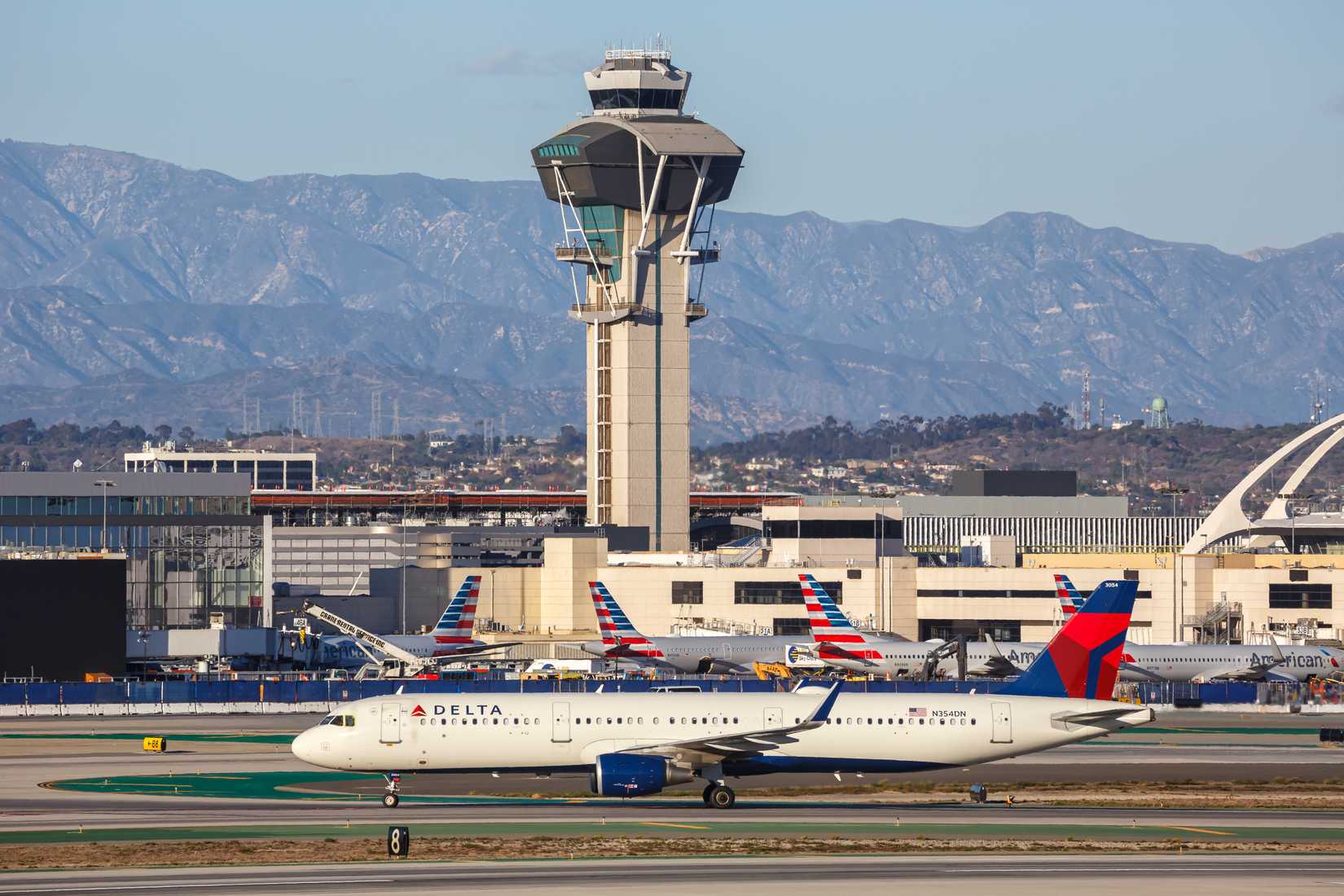
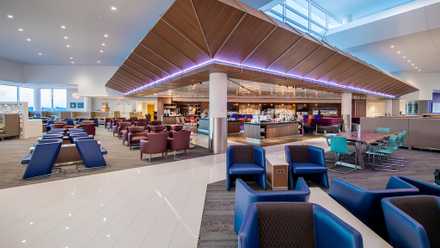
Delta Air Lines is expanding its premium ground infrastructure at Los Angeles International Airport with the planned opening of a second Delta One Lounge in Terminal 2 this summer, making LAX the only Delta hub in the system to host two of the carrier's most exclusive lounge facilities. The new space will debut in temporary form before transitioning to a permanent, purpose-built installation in 2028, timed to coincide with the Los Angeles Summer Olympic and Paralympic Games. Delta already operates its original Delta One Lounge in Terminal 3, which opened in 2024 as part of a multi-billion-dollar modernization program at the airport. The Terminal 2 facility will include a dedicated check-in area, private security screening, and direct ground transportation to the lounge — amenities that mirror the end-to-end premium positioning Delta has applied to its long-haul business class product globally.
Access restrictions at Delta One Lounges are meaningfully more stringent than at the carrier's broader Sky Club network, and the distinction matters operationally for crews and corporate travel managers routing passengers through LAX. Eligibility is limited to same-day Delta One ticketed passengers, select Delta 360 members in qualifying premium cabins, and travelers flying in premium cabins on a defined set of codeshare and partner carriers including Air France, KLM, Korean Air, LATAM, and Virgin Atlantic. Standard Sky Club memberships and premium credit card access do not qualify. For flight departments and corporate travel offices managing high-value executive passengers, this access architecture requires precise itinerary construction to ensure lounge eligibility is confirmed at booking rather than at the gate.
The investment is structurally tied to Delta's role as the official airline partner of Team USA for the 2028 Los Angeles Games, and it reflects a broader strategy to capture an anticipated surge in premium long-haul demand into Southern California. Delta has already deployed a dedicated A350 in LA 2028 livery since 2024 and is separately planning a new Delta Sky Club in Terminal 2 by 2027. The sequenced rollout — temporary lounge this summer, permanent Delta One Lounge in 2028, Sky Club in 2027 — points to a deliberate infrastructure build that anticipates not just Olympic traffic but sustained premium demand growth at one of the most contested international gateway airports in the United States. Delta's continued domestic and international route additions at LAX reinforce that the carrier is positioning the airport as a second major long-haul hub alongside JFK.
The competitive context is significant. United Airlines has aggressively upgraded its Polaris Lounge network at hubs including SFO, ORD, and IAH, while American has invested in Flagship Lounge capacity at key international gateways. The race among legacy carriers to differentiate premium ground experiences has moved well beyond lounge aesthetics into operational throughput — private security lanes, dedicated check-in, and curated transportation — features that shorten door-to-gate times for premium passengers and reduce friction across the pre-departure process. For corporate flight departments evaluating which commercial carriers to position for executive travel, the ground experience at hub airports increasingly factors into airline selection alongside schedule reliability and onboard product quality. Delta's LAX buildout underscores that the ground product is now a competitive variable equal in strategic weight to the inflight offering.
For professional pilots operating in the Part 121 environment, the LAX expansion signals ongoing infrastructure complexity at an already operationally demanding airport. With Delta's Terminals 2 and 3 functioning as a connected complex and construction activity expected to continue through the Olympic cycle, crews should anticipate evolving gate assignments, modified ground transportation patterns, and increased passenger volumes in the premium check-in and security zones. The broader Olympic preparations across LAX — involving multiple airlines, the airport authority, and municipal agencies — are expected to drive phased construction timelines through 2028, with operational impacts likely to intensify as the games approach.






 Read original article