Only 1 Fighter Jet In The US Air Force Can Supercruise Without Afterburners
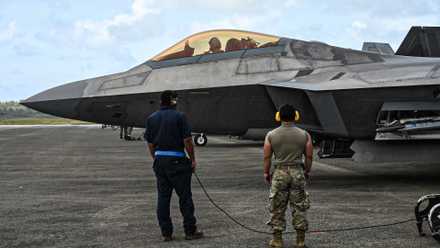
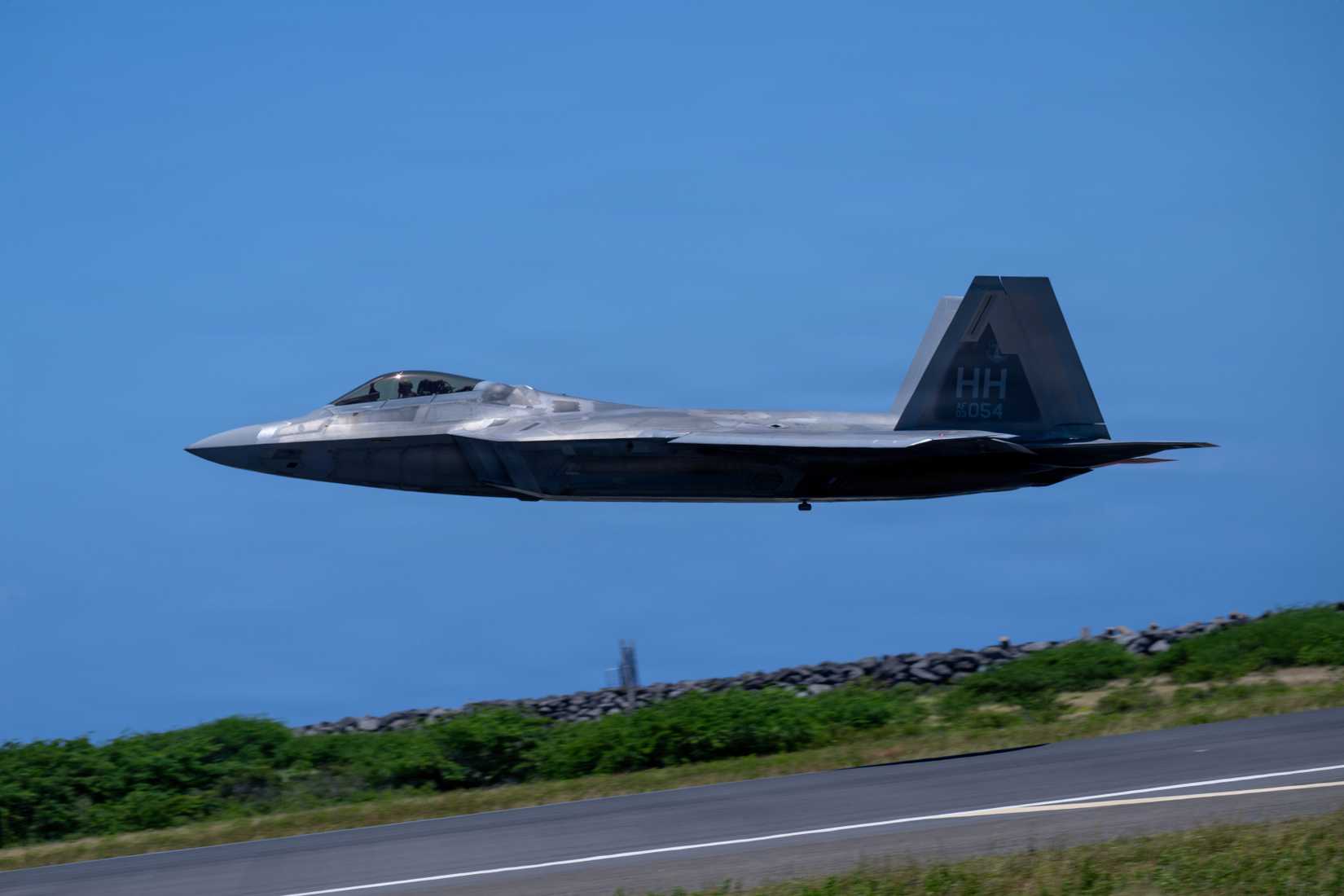
The F-22 Raptor remains the only operational fighter jet in the United States Air Force inventory capable of sustained supersonic flight without afterburner ignition, a performance characteristic formally defined as supercruise. Powered by two Pratt & Whitney F119 turbofan engines generating approximately 35,000 pounds of thrust each, the Raptor can sustain speeds in excess of Mach 1.8 in military power alone — meaning full engine output without the fuel-intensive afterburner stage. This distinguishes the F-22 fundamentally from virtually every other supersonic combat aircraft, including the F-35, which requires afterburner to accelerate through the transonic regime and cannot sustain supersonic cruise without it. The F119's two-dimensional thrust-vectoring nozzles, capable of deflecting exhaust flow 20 degrees up or down, simultaneously provide the post-stall maneuverability that makes the Raptor a close-range combat threat, while the rectangular nozzle geometry contributes to the aircraft's low radar cross-section by eliminating direct line-of-sight to the hot turbine stages.
The operational implications of supercruise are significant and extend well beyond raw speed numbers. Afterburners function by injecting raw fuel into the exhaust stream downstream of the turbine, dramatically increasing thrust at the cost of fuel consumption rates that can exceed ten times the normal cruise figure. An aircraft relying on afterburner to sustain supersonic flight faces a hard constraint: it can go very fast for a very short time before fuel exhaustion forces either a return to subsonic cruise or a diversion to a tanker. The F-22's ability to transit from a home base to a contested area at supersonic speed, arrive with meaningful fuel reserves, loiter, and engage — all without the additional infrared signature that afterburner plumes generate — represents a compounding tactical advantage. The reduced infrared signature is particularly relevant in an era of increasingly sensitive infrared search and track systems fielded by peer adversaries, as afterburner use effectively broadcasts an aircraft's presence to passive sensors that radar-absorbent materials cannot defeat.
For professional aviators outside the fighter community, the engineering story of the F119 connects to broader propulsion trends that affect commercial and business aviation as well. The engine was deliberately designed with a reduced parts count relative to predecessor powerplants like the F100, an approach that prioritized reliability and maintainability alongside raw performance — a philosophy that has become central to modern high-bypass turbofan design across commercial programs. The integration challenge of mating a thrust-vectoring, low-observable engine to an airframe with fully digital fly-by-wire flight controls anticipated the increasingly tight coupling between propulsion and flight management systems now seen in fly-by-wire transport aircraft. The F119's development cost, though substantial, was ultimately lower than the lifetime sustainment cost of the F-22 airframe itself — a ratio that will be recognizable to any operator managing turbine engine overhaul intervals against airframe structural inspection programs.
The F-22's development history also illustrates how platform requirements shift over time regardless of original design intent. The aircraft entered development as a pure air superiority fighter under the Advanced Tactical Fighter program, intended to counter Soviet-era threats like the Su-27 Flanker, with the design philosophy explicitly excluding air-to-ground capability — a direct inheritance from the F-15 Eagle program's "not a pound for air-to-ground" doctrine. Post-Cold War budget and force structure realities compelled the addition of precision ground attack capability before the aircraft entered service, and the Raptor's combat debut in 2014 was a strike mission against ISIS targets in Syria rather than the air-to-air engagement the airframe was optimized for. This pattern — a platform designed for a specific threat environment pressed into roles its designers did not prioritize — is a recurring dynamic in military aviation procurement and has direct parallels in the business aviation sector, where aircraft certified for specific operations are routinely adapted through supplemental type certificates and avionics upgrades for missions their original design teams never anticipated.
Despite being a design that entered service in 2005 and has not been in production since 2011, the F-22 retains capabilities that no currently operational or near-term production fighter has replicated. The combination of supercruise, all-aspect low observability, thrust vectoring, and internally stowed weapons remains unique. Ongoing upgrade programs are attempting to keep the Raptor's avionics and sensor fusion current as it awaits an eventual successor in the Next Generation Air Dominance program. For the broader aviation industry, the F-22 and its F119 engine stand as a reference point for what sustained investment in propulsion technology can achieve — a reminder that engine capability, not airframe geometry alone, ultimately defines what a combat aircraft can do tactically and operationally.











 Read original article