Newark Liberty Now Leading Northeast Airports For On-Time Flights After A Year Of Chaos
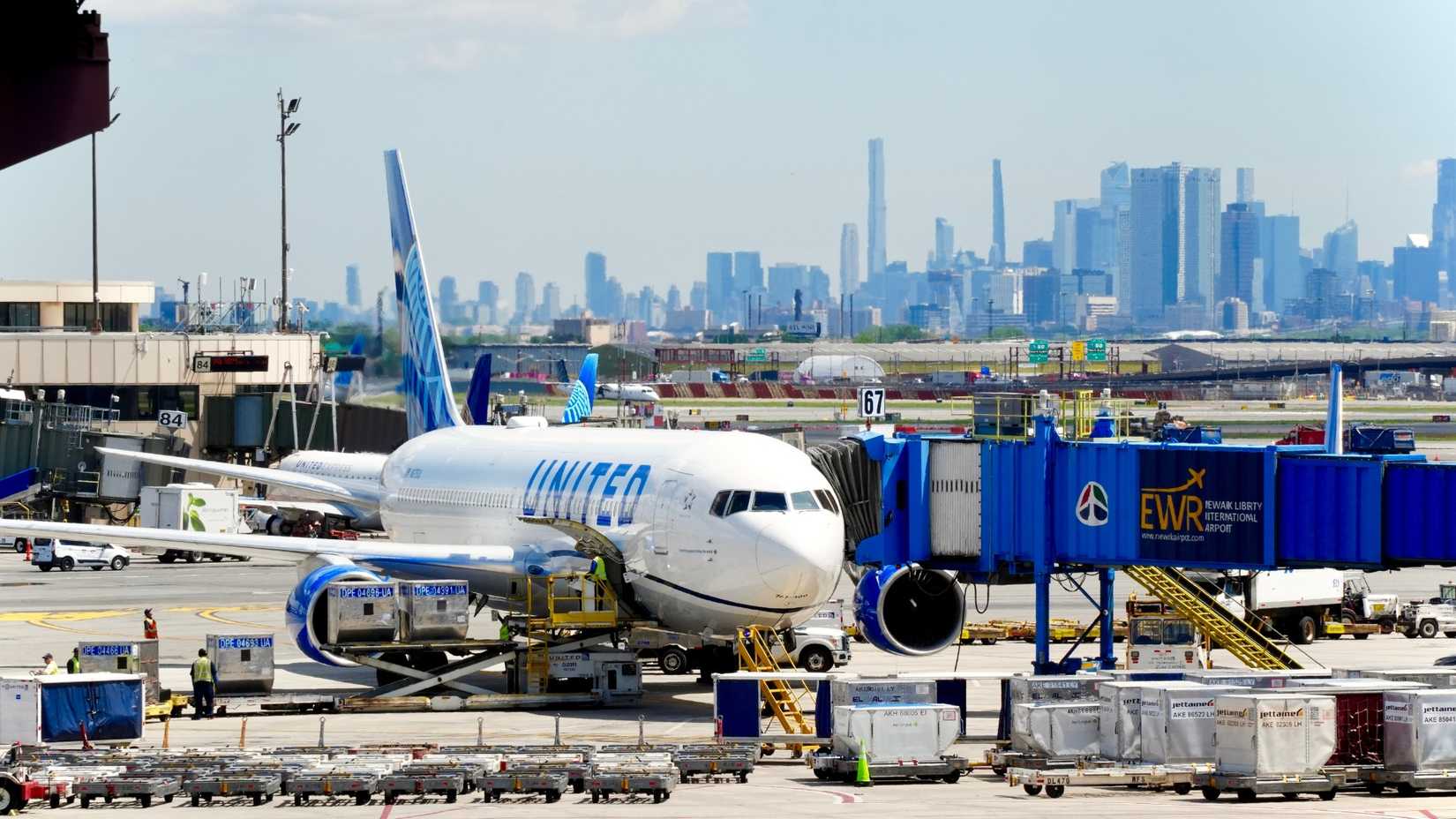
Newark Liberty International Airport's emergence as the Northeast's top-performing hub for on-time flights in spring 2026 represents one of the more striking operational reversals in recent domestic aviation history. The airport spent much of 2025 mired in compounding disruptions — runway rehabilitation, acute FAA air traffic controller staffing shortages, and system-level technology failures — that pushed delay rates well above national averages and generated hundreds of cancellations during peak disruption periods. By April and May 2026, however, United Airlines reported that nearly 5.8 million passengers moved through its Newark operation during those two months alone, with the carrier recording its strongest on-time performance figures at the airport on record for those months. United CEO Scott Kirby credited the improvement directly to actions taken by Transportation Secretary Duffy and the FAA, alongside the performance of United's approximately 15,000 Newark-based employees.
The recovery rested on several interconnected levers. The FAA implemented temporary movement restrictions at EWR to bring scheduled flight volumes into alignment with actual operational capacity — a mechanism regulators have historically been reluctant to deploy but which proved effective in breaking the cycle of cascading delays that had paralyzed the airport's traffic flow. Completion of the runway rehabilitation projects that had constrained surface operations throughout 2025 removed a persistent physical bottleneck. Airlines, particularly United as the dominant carrier, simultaneously revised scheduling practices to reduce peak-period congestion, accepting lower throughput in exchange for greater schedule integrity. This combination of supply-side discipline and infrastructure investment is consistent with corrective frameworks applied at other chronically congested airports, including Chicago O'Hare following FAA-brokered schedule reductions in the mid-2000s.
For professional and corporate flight crews operating into and out of the New York terminal area, the practical implications are meaningful. EWR's improved ground delay program frequency and reduced average taxi and queue times directly affect block planning, crew duty calculations, and fuel load decisions. Operators running Part 135 charter or Part 91K fractional programs that serve the New York metropolitan area have long priced in EWR's unpredictability relative to Teterboro or even JFK, often absorbing repositioning costs or routing passengers to alternative fields. A sustained improvement in on-time metrics at Newark could shift those routing calculus decisions, particularly for time-sensitive itineraries where EWR's international connections and larger gate infrastructure offer genuine advantages over general aviation alternatives. Airline crews should note, however, that the airport's performance has been validated primarily during spring months — historically a less demanding period operationally than the convective summer season.
The Newark story also reflects a broader structural tension that has defined post-pandemic U.S. aviation: the mismatch between airline schedule ambition and the system's actual certified controller workforce capacity. The FAA's willingness to impose temporary slot-like restrictions at EWR — stopping short of formal slot designation but achieving similar congestion relief — signals a more interventionist regulatory posture that operators across congested airspace should monitor. Similar pressures exist at other saturated metropolitan airports, and the Newark model may inform how the FAA and airlines negotiate capacity alignment at facilities like LaGuardia, Reagan National, and select West Coast hubs where staffing constraints and infrastructure limitations continue to interact. Whether the gains at Newark hold through the summer, when convective weather, increased IFR operations, and higher passenger volumes stress every system simultaneously, will determine whether the turnaround represents a durable restructuring or a favorable seasonal window.









 Read original article