Here’s Why The Boeing 777X Won’t Let Pilots Take Off With Its Wings Still Folded
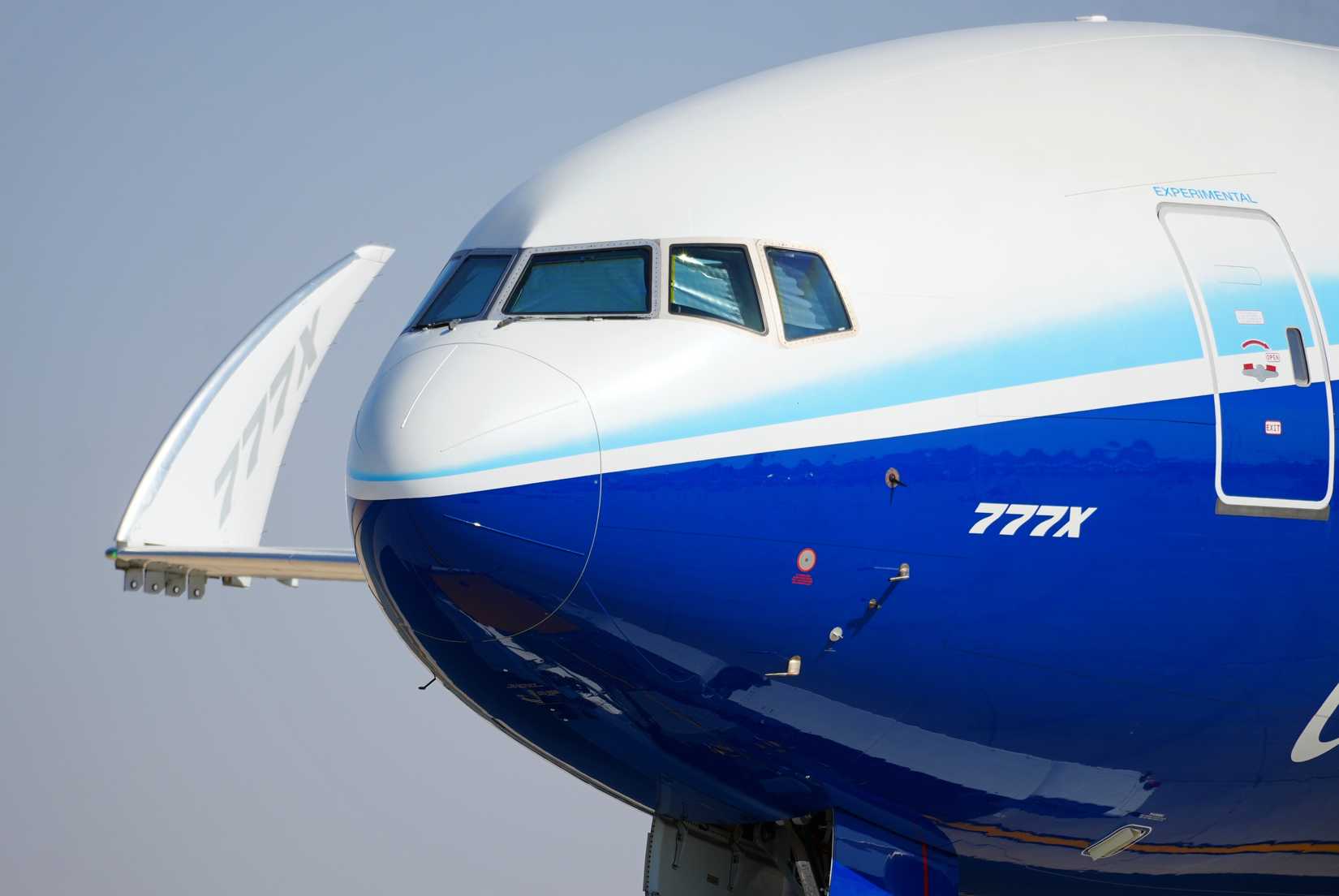
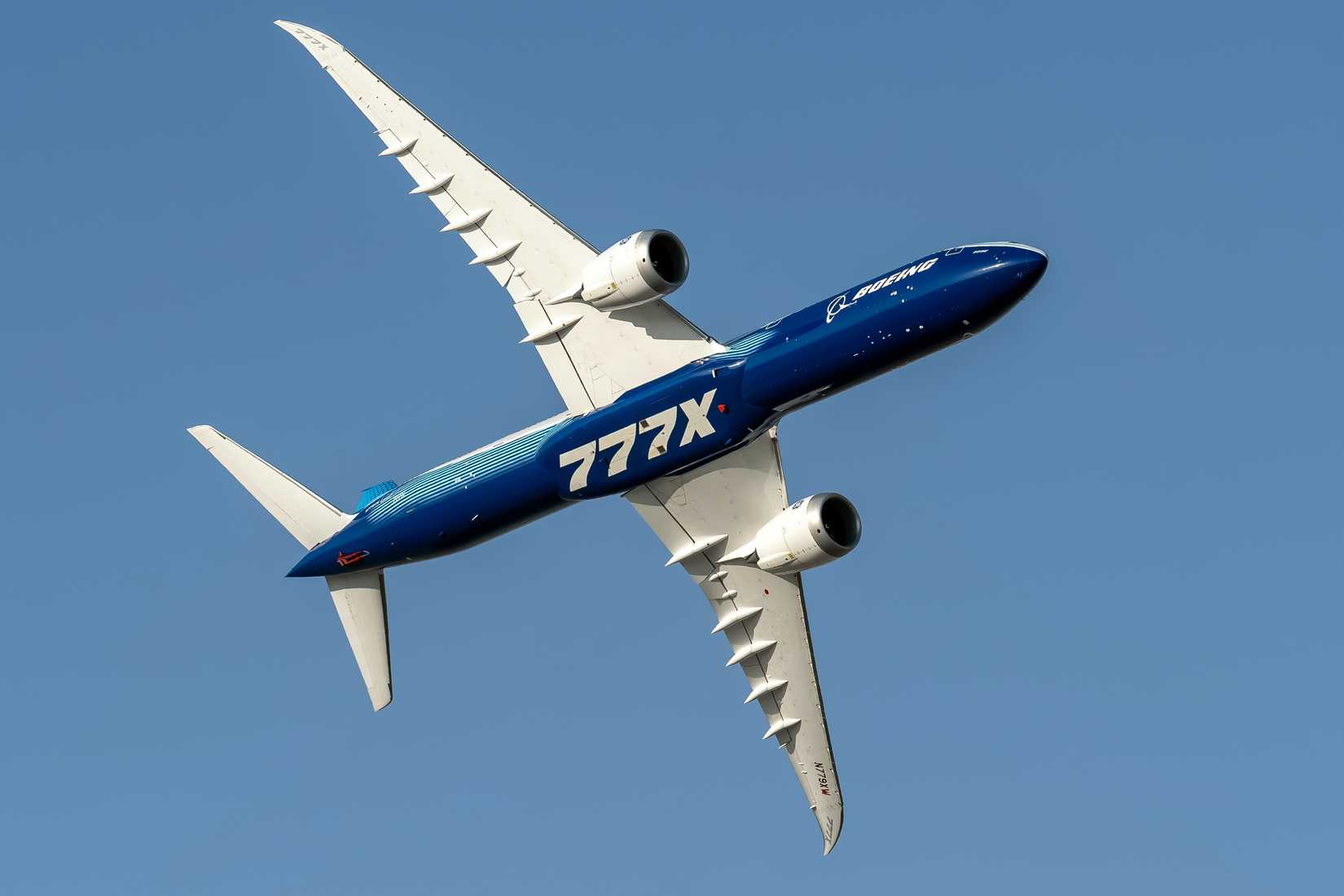
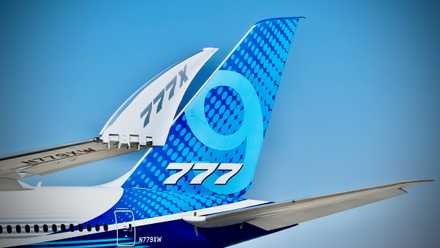
Boeing's 777X incorporates a folding wingtip system that represents the first application of this technology in commercial transport aviation, and the aircraft's certification architecture is specifically designed to prevent departure with the wingtips in the vertical, or folded, position. The 3.5-meter composite wingtips, manufactured by Liebherr-Aerospace in Lindenberg, Germany, are actuated by a hydraulic power drive unit and geared rotary actuators, completing the full extension or retraction cycle in approximately 20 seconds. Once extended for flight, the tips are secured by latch-pin and secondary-lock actuators, then mechanically bolted and electronically isolated to ensure no movement can occur during flight regardless of power state. The system exists to allow the 777X's 235-foot wingspan — roughly seven feet longer than the 777-300ER — to fit within standard ICAO Code E gate infrastructure designed for narrower aircraft, resolving an airport compatibility problem that would otherwise require costly gate modifications across the global route network the type is intended to serve.
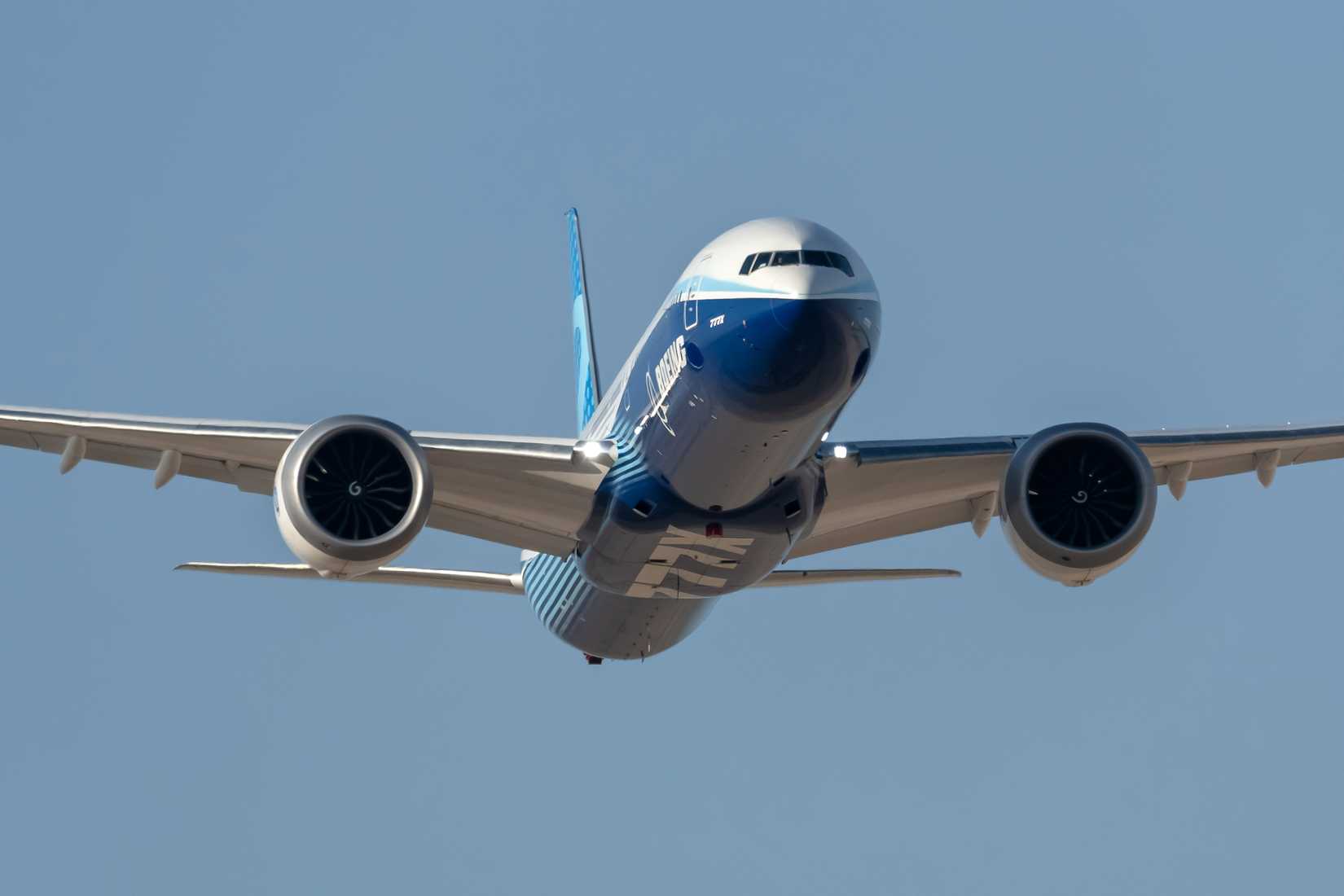
The aerodynamic rationale for the extended span is significant and directly relevant to understanding why the folded configuration is operationally prohibited rather than merely discouraged. A wider wingspan displaces wingtip vortices further outboard, reducing induced drag and downwash across the entire wing surface, which allows the GE9X engines to produce the same or greater lift at reduced thrust settings. Boeing and GE claim this configuration delivers a 10 to 12 percent fuel efficiency improvement over competing aircraft and approximately 20 percent lower fuel consumption than the legacy 747-400 the 777X is designed to replace. The wings themselves are constructed from carbon-fiber reinforced plastic, making them lighter and thinner than aluminum equivalents while still capable of the pronounced flex characteristic of the 787 Dreamliner's design philosophy — a flex that functions as a passive gust load alleviation mechanism. Attempting takeoff with the wingtips folded would not only degrade this aerodynamic performance substantially, it would also subject the folding mechanism's latch hardware to asymmetric aerodynamic loads it was never engineered to sustain, creating a realistic failure pathway.
The layered warning architecture Boeing integrated into the 777X reflects the FAA and EASA certification requirement that the aircraft actively prevent, rather than merely warn against, a folded-wingtip departure. The electronic checklist system flags an incomplete state if the wingtips are not confirmed extended and locked before takeoff procedures are initiated. If a crew advances power regardless, the takeoff warning system triggers an audible alarm. One noteworthy procedural boundary described in the aircraft's design is that the avionics system ceases to command an automatic abort once the aircraft exceeds 50 knots groundspeed — consistent with standard rejected takeoff logic that recognizes the increasing hazard of high-speed aborts — placing the decision authority back on the flight crew above that speed. For airline operators and their line pilots, this means the wingtip confirmation step carries the same procedural weight as flap position or flight control checks: it must be resolved before the takeoff roll, not during it.
The broader context for operators lies in how the 777X's folding wingtip represents a convergence of military and commercial engineering lineage. Boeing's 1997 acquisition of McDonnell Douglas brought with it deep institutional knowledge of folding wing systems from naval aviation, where aircraft including the F/A-18 and the earlier F-4 Phantom II required wing folding for carrier deck compatibility. Boeing had actually patented a folding wingtip concept for the original 777 in the mid-1990s but shelved it due to weight and mechanical complexity constraints that material science had not yet resolved. The maturation of composite structures and precision actuation technology made the system viable for the 777X program, and it is now embedded in the aircraft's fundamental performance case rather than treated as an optional or ancillary feature. For fleet planning and route certification purposes, operators should recognize that the folding wingtip is not simply a ground-handling convenience but an enabling technology that makes the 777X's range, payload, and efficiency targets achievable within the physical constraints of the existing global airport infrastructure.









 Read original article