West Star Aviation opens fifth satellite location in Addison, Texas | Corporate Jet Investor | CJI news
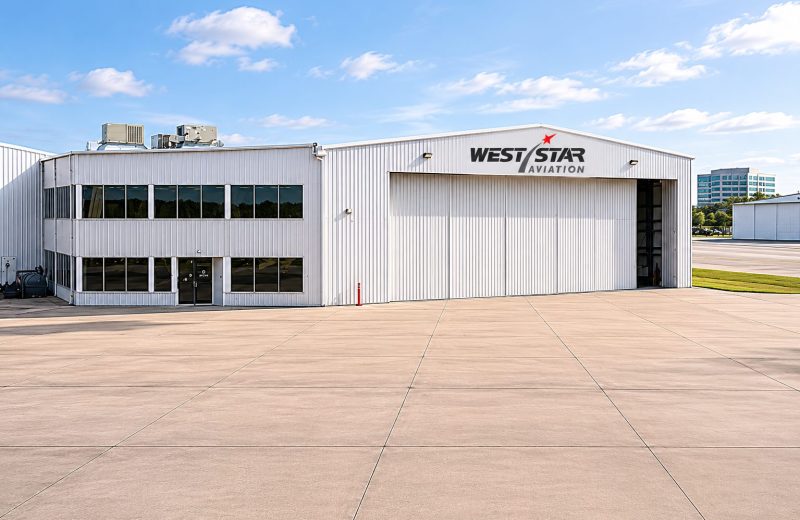
West Star Aviation has opened its fifth satellite maintenance facility at Addison Airport (KADS) in the Dallas metropolitan area, marking the MRO provider's first physical presence in one of the country's most active business aviation markets. The 40,000-square-foot hangar is equipped to handle both scheduled and unscheduled maintenance, AOG response, avionics upgrades, structural and engineering work, and inspections covering cycles up to 24 months. The location currently operates on a daytime schedule, with expansion to seven-day-a-week operations planned as regional demand warrants. West Star is headquartered in East Alton, Illinois, and operates full-service bases at locations including Grand Junction, Colorado; Chattanooga, Tennessee; and Windsor Locks, Connecticut.
For Part 91, 91K, and Part 135 operators based in or frequently transiting the Dallas-Fort Worth corridor, the Addison opening addresses a persistent gap in local MRO capacity. Addison Airport is one of the busiest general aviation reliever airports in the United States, handling a dense mix of turbine traffic from corporate flight departments, charter operators, and fractional programs serving the Dallas-Fort Worth metroplex. Having a West Star satellite on the field means operators can access factory-trained technicians and specialized tooling without repositioning aircraft to distant maintenance bases, which carries real cost and scheduling implications for flight departments managing tight trip cycles or contractual dispatch obligations.
The AOG support component is particularly significant. Unscheduled maintenance events at busy business aviation hubs can cascade quickly when qualified technicians and parts are not immediately accessible, creating multi-day delays and downstream scheduling disruptions for operators and their passengers. A dedicated AOG capability at Addison gives local and transient operators a faster resolution path that did not previously exist under the West Star network, reducing dependence on mobile response teams dispatched from geographically distant facilities.
The Addison expansion fits within a broader MRO infrastructure trend in which established maintenance providers are extending their footprints into high-density business aviation markets through satellite and satellite-style facilities rather than full greenfield bases. This model allows providers to establish market presence and local technician relationships with lower capital overhead while testing demand before committing to larger investments. For operators evaluating maintenance contracts or negotiating aircraft management agreements, the density and geographic distribution of an MRO provider's service network is increasingly a differentiating factor, particularly as the North American business jet fleet continues to age and inspection intervals concentrate maintenance demand.