Boeing explores hiking 737 production close to rival Airbus’s stratospheric target
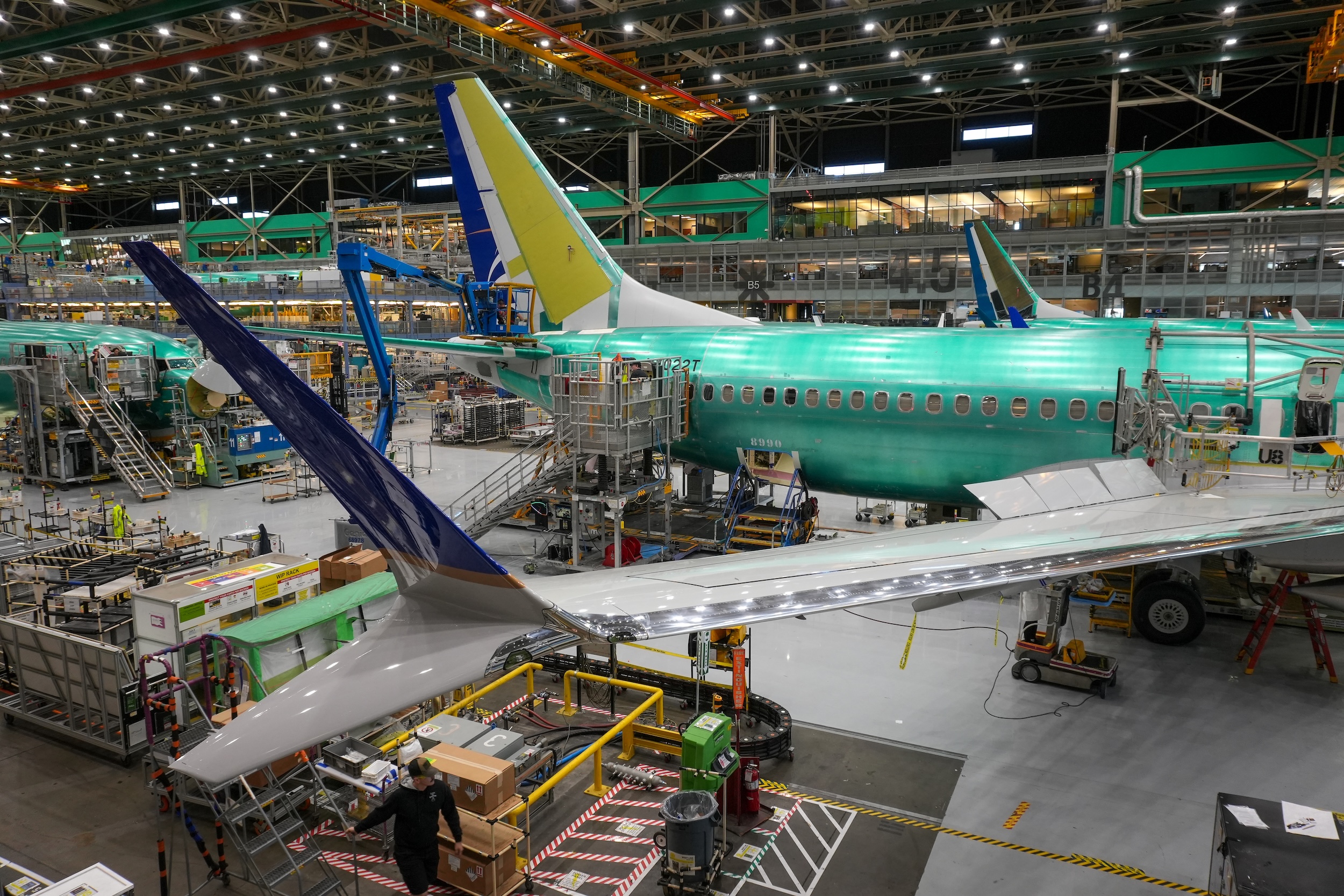
Boeing is actively studying whether its narrowbody production infrastructure can support a monthly build rate approaching 70 aircraft, a figure that would represent a significant escalation beyond the 63-jet-per-month ceiling the manufacturer has publicly committed to. The discussions remain preliminary, and Boeing has not formally adopted the higher cadence, but the internal planning signals the company's intent to close the competitive gap with Airbus in the single-aisle market. The timing is notable: Boeing is still in the process of methodically ramping back up after a nearly two-month machinists' strike in late 2024 that severely disrupted its Renton, Washington production lines, and the company has only recently demonstrated the ability to hold to the supplier master schedule it issued when restarting operations.
The competitive arithmetic driving these plans is stark. At the end of April, Airbus held 7,354 unfilled orders for the A320neo family against Boeing's 4,872 single-aisle backlog — a gap that translates directly into years of revenue certainty and the ability to sustain peak production longer. Airbus has repeatedly targeted 75 jets per month for 2027, a goal it has also repeatedly deferred due to supply chain constraints, particularly around CFM LEAP and Pratt & Whitney GTF engines and their associated components. A Boeing rate of 70 per month would position the 737 MAX program within striking distance of that benchmark, potentially generating substantially more cash flow at a moment when Boeing's balance sheet remains under stress from years of 737 MAX groundings, pandemic-era demand collapse, and strike-related production losses.
For airline fleet planners and operators, the significance of either manufacturer approaching these production levels cannot be overstated. The narrowbody backlog sold out well into the 2030s means that carriers already holding orders face delivery positions locked years in advance, limiting flexibility for fleet adjustments. Operators contemplating new 737 MAX or A320neo orders today are essentially negotiating for aircraft in the mid-to-late 2030s. For lessors and Part 91K or Part 135 operators that rely on the used narrowbody market, supply constraints at the OEM level keep lease rates and used aircraft values elevated, compressing fleet acquisition economics across the spectrum of commercial and charter operations.
The shared supply chain between Boeing and Airbus introduces systemic risk that neither manufacturer can fully control unilaterally. Key tier-one and tier-two suppliers — Spirit AeroSystems, now being reintegrated into Boeing, along with engine makers, landing gear manufacturers, and avionics suppliers — serve both programs simultaneously. When both duopolists simultaneously push toward historically unprecedented production rates, the probability of supplier-driven disruptions increases nonlinearly. CFM International and Pratt & Whitney have already demonstrated they are the binding constraint in the A320neo supply chain; similar dynamics affect the 737 MAX through CFM's LEAP-1B. Any supplier shortfall would ripple across both order books, affecting airlines' fleet entry timelines and operational planning horizons.
The broader trend these discussions reflect is a narrowbody market that has structurally shifted from cyclical to persistently supply-constrained. Post-pandemic travel demand, combined with years of underproduction during the MAX grounding and Covid, created a deficit of new narrowbody aircraft that neither manufacturer has yet filled. For airline executives, charter operators, and corporate flight departments competing for pilots trained on these platforms, the downstream effects — elevated lease rates, deferred aircraft retirements, stretched maintenance intervals on aging fleets held in service longer than planned — are already operational realities. Whether Boeing successfully executes a ramp to 70 aircraft per month will hinge less on the manufacturer's internal capabilities than on whether a supply chain it shares with its only serious competitor can sustain simultaneous peak demand from both sides.