Is It True That The Boeing 747-8 & 787 Dreamliner Are Powered By The Same Engine?
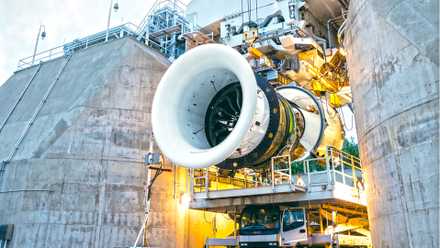
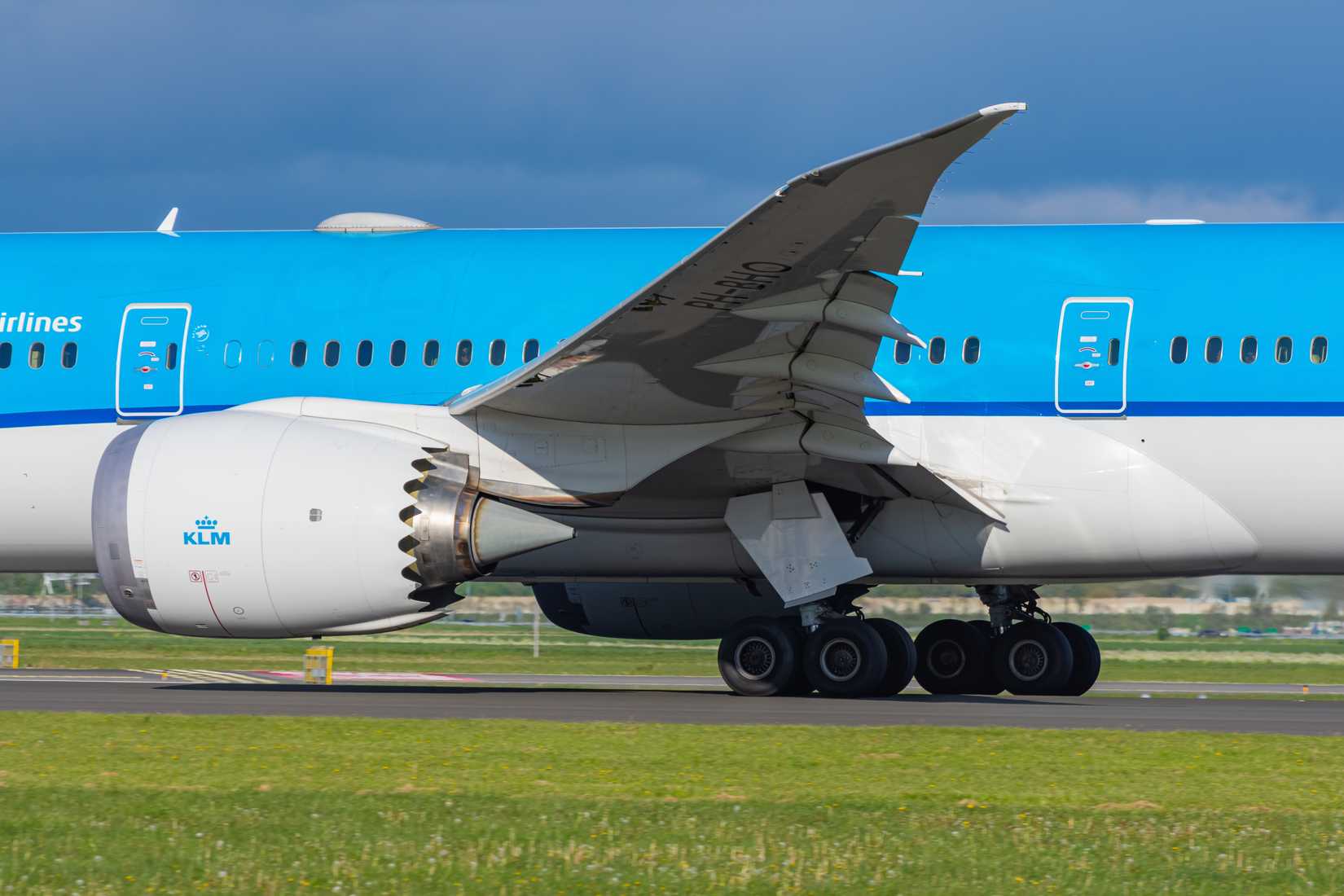
The Boeing 747-8 and 787 Dreamliner share a common engine lineage through GE Aviation's GEnx family, but the relationship is one of deliberate engineering divergence rather than simple commonality. The GEnx-1B powers the 787 exclusively, while the GEnx-2B is fitted only to the 747-8, and despite sharing roughly 80% of their Line Replaceable Units and a common high-pressure core, the two variants are optimized around fundamentally different aircraft architectures. The most operationally significant distinction is the pneumatic philosophy: the 787's bleedless, more-electric architecture allows the GEnx-1B to deliver all compressed air energy through electrical generation rather than compressor bleed, improving thermal efficiency and eliminating a traditional failure mode. The 747-8, by contrast, retains conventional bleed air for pressurization, anti-ice, and engine starting, requiring the GEnx-2B to maintain bleed ports that the -1B does not carry. This architectural difference alone illustrates why two engines from the same program can diverge significantly in maintenance posture and system interaction, a point directly relevant to any operator managing mixed-fleet MRO programs.
The physical and performance specifications between the two variants reflect the thrust-sharing logic of two-engine versus four-engine operations. The GEnx-1B produces between 69,800 and 80,400 pounds of thrust with a fan diameter of 111 inches and a bypass ratio reaching 9.6:1, sized to guarantee adequate one-engine-inoperative climb performance for a twin. The GEnx-2B, distributing propulsive load across four pylons, is de-staged at both the low-pressure compressor and low-pressure turbine, runs a smaller 104.7-inch fan, and is rated at 66,500 pounds of thrust with a bypass ratio of 8.0:1. The overall pressure ratio differential — 58.1:1 for the -1B versus 52.4:1 for the -2B — further reflects how GE tuned each variant for its thermodynamic environment. Both engines nonetheless deliver approximately 15% better fuel efficiency than the CF6 engines they replaced, and the GEnx family's design target of 20% longer on-wing intervals, with some fleet leaders exceeding 30,000 hours between major overhauls, has proven commercially significant for operators tracking cost per departure.
For airline flight operations and maintenance organizations, the 80% parts commonality between the two variants is a meaningful but carefully bounded advantage. Airlines that operated both aircraft types — a relatively narrow group given the 747-8's limited passenger orders before production ended in 2017 and the final assembly line closure in 2023 — could realize genuine economies in technician type training, tooling, and rotable inventory. However, the bleed versus bleedless architecture divide means that line maintenance procedures, fault isolation logic, and ground support equipment interfaces are not interchangeable between the two types. Pilots transitioning between 747-8 and 787 operations would encounter substantively different bleed air management philosophies in abnormal procedures, and the distinction carries weight in recurrent training design and minimum equipment list interpretation.
The broader commercial narrative embedded in the engine comparison is one of market displacement that has reshuffhed fleet planning across virtually every major international carrier. The 787's fuel burn of approximately 2,900 gallons per hour against the 747-8's roughly 3,800 gallons per hour, and its 2.31 liters per 100 seat-kilometers versus the 747-8's 2.82, are not abstract figures — they represent the economic foundation on which airlines have opened thin long-haul routes that previously could not support widebody service. The 787 operationalized point-to-point flying at intercontinental ranges, eroding the hub-and-spoke aggregation model that gave the 747 its commercial rationale. Where the 747 required dense passenger loads to justify its operating cost, the 787 can generate acceptable unit economics on thinner demand profiles, allowing carriers to serve city pairs directly that once required a connecting hub. That structural shift continues to define network planning decisions, aircraft procurement cycles, and, by extension, the route structures and base assignments that shape career decisions for line pilots across the industry.










 Read original article