A Look At The Salaries Of Long-Haul Private Jet Flight Attendants In 2026
Private jet flight attendant compensation in 2026 reflects a labor market shaped by scarcity, competitive demand from high-net-worth operators, and an absence of regulatory mandates that would otherwise standardize the role. Unlike commercial aviation, where FAA regulations require cabin crew aboard aircraft certified for a certain passenger capacity, private jet operators are under no legal obligation to staff a flight attendant at all. The decision to do so is driven entirely by service expectations — a calculus that becomes especially relevant on long-range platforms operated by charter and fractional companies like NetJets and VistaJet, where cabin service is a primary competitive differentiator. Annual salaries for these positions range from approximately $40,000 at the entry level to well over $100,000 for experienced professionals, with extreme outliers such as Netflix's 2023 executive fleet posting that offered up to $385,000 annually — a figure that eclipses the earnings of most commercial airline captains and underscores the premium some flight departments are willing to pay for elite, discreet hospitality talent.
The compensation structures encountered in private aviation differ meaningfully from the union-negotiated, hourly-based pay systems familiar to commercial cabin crew. While large fractional operators tend to mirror airline-style pay frameworks — including hourly rates triggered when the aircraft moves under its own power, per diem allowances, and minimum monthly guarantees — smaller operators and individual flight departments frequently use flat daily rates or fixed annual salaries. For pilots operating under Part 91K or Part 135, this variability has direct operational relevance: understanding how a flight attendant is compensated affects scheduling decisions, duty day planning, and how trip costs are structured and communicated to aircraft owners or charter clients. Operators building or expanding a cabin crew complement must also account for training costs and uniform provisions, both of which are typically absorbed by the employer in this sector.
For flight departments evaluating whether to include a cabin crew member in their operating model, the talent pool carries its own complexity. Candidates for private jet positions are generally expected to bring prior airline experience and, increasingly, backgrounds in luxury hospitality — fine dining, five-star hotel service, or high-end event management. This dual-track credential requirement reflects the purely hospitality-driven nature of the role, stripped of the safety and emergency response responsibilities that define commercial cabin crew positions. Pilots transitioning from commercial carriers to corporate or charter operations, or those already embedded in Part 91 flight departments, may find that the flight attendants they work alongside have résumés that look more like those of restaurant managers or hotel concierges than airline veterans — and the service standards those backgrounds produce are intentionally calibrated to match.
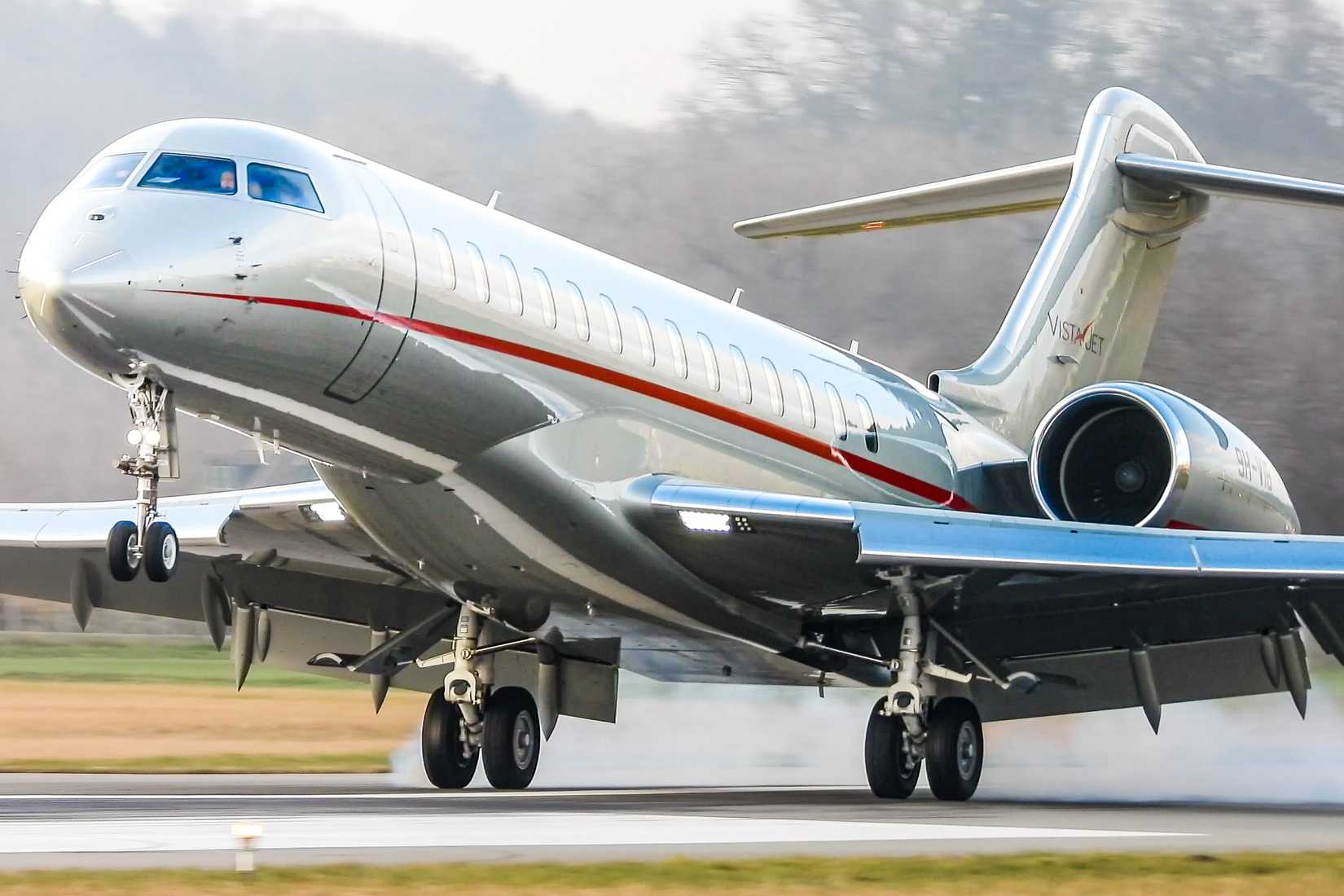
The broader trend driving these compensation figures is the continued expansion of the ultra-high-net-worth travel market and the intensifying competition among fractional providers, charter operators, and private flight departments to deliver a ground-level luxury experience at altitude. As platforms like the Bombardier Global 7500, Gulfstream G700, and Dassault Falcon 10X extend mission ranges to truly intercontinental profiles, the cabin becomes a working and living environment for extended periods, raising the stakes for onboard service quality. For aviation operators, this means the flight attendant line item in a trip cost or annual budget is no longer a peripheral consideration — it is a strategic one, tied directly to client retention, competitive positioning, and the overall value proposition of a private aviation program. Pilots and flight operations managers who understand this dynamic are better positioned to advocate for appropriate staffing resources and to integrate cabin crew effectively into the broader crew resource management culture of their operations.






 Read original article