Duncan Aviation adds Gogo Galileo HDX, FDX connectivity to installation roster | Corporate Jet Investor | CJI news
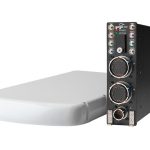
Duncan Aviation has expanded its avionics installation capabilities to include Gogo's Galileo HDX and FDX satellite-based inflight connectivity systems, making the service available across the MRO's three primary facilities and select satellite locations. The addition marks a significant evolution in the longstanding Duncan-Gogo relationship, which spans more than two decades and hundreds of air-to-ground system installations across more than a dozen business aircraft platforms. The Galileo product line represents Gogo's strategic transition away from its legacy terrestrial air-to-ground (ATG) network architecture toward a low-earth orbit satellite infrastructure, a shift driven by the fundamental coverage limitations of ground-based systems, which are confined largely to the continental United States and parts of Canada.
The distinction between the HDX and FDX variants is relevant to operators evaluating upgrade paths. The Galileo FDX is Gogo's flagship LEO system, designed for larger-cabin aircraft requiring the highest throughput, while the HDX targets mid-size and super-midsize platforms with a smaller form factor and lower installation complexity. Both systems operate on OneWeb's LEO constellation, delivering low-latency, high-bandwidth connectivity that competes directly with Viasat, Starlink Aviation, and Intelsat's FlexExec offerings. For operators currently flying with legacy Gogo ATG or ATG-4 hardware, the Galileo systems offer a meaningful performance upgrade and, critically, genuine global coverage — eliminating the connectivity dead zones that have long frustrated crews and passengers on transatlantic, transpacific, and overwater routes.
From an operational and procurement standpoint, several elements of the Duncan-Gogo arrangement are noteworthy for flight departments evaluating the upgrade. Gogo is offering guaranteed service pricing for up to three years, which provides operators with cost predictability in an environment where satellite bandwidth pricing has historically been volatile. Gogo Vision content streaming is bundled at no additional charge with unlimited data plans, reducing the total cost of ownership calculation for operators who factor passenger experience into cabin technology decisions. Hardware availability is confirmed as current, which matters in a market that has seen persistent avionics supply chain delays since 2021 — operators who have deferred connectivity upgrades due to parts uncertainty may find the timing advantageous.
Duncan Aviation's role as an authorized installation partner adds logistical significance for the business aviation community. With major facilities in Lincoln, Nebraska; Battle Creek, Michigan; and Provo, Utah, the company provides geographic distribution across key business jet maintenance hubs, reducing ferry flight costs and schedule disruption for operators in the central and western United States. The availability of installations through regional satellite avionics sales managers extends reach further, allowing aircraft that cannot easily access a full-service facility to schedule work closer to their home base. For flight departments operating under Part 91K or 135 certificates, minimizing aircraft out-of-service time is a direct operational cost, making distributed installation access a practical differentiator when selecting a completion shop.
The Duncan Aviation-Gogo Galileo partnership reflects a broader consolidation trend in business aviation connectivity, where LEO-based systems are rapidly displacing both ATG and legacy geostationary satellite solutions. The business jet segment has become a critical battleground for connectivity providers as airline cabin internet has raised passenger expectations, and corporate flight departments face increasing pressure from principals and charter customers accustomed to near-residential broadband quality. MROs with established avionics modification credentials are positioning themselves as primary channels for this upgrade wave, and Duncan's early entry into Galileo installations gives it a competitive edge in capturing the substantial backlog of business aircraft still operating on first- and second-generation connectivity hardware.