Textron, Signature Mobilize For Massive Special Olympics Airlift
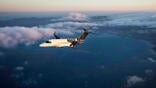
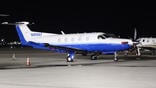
Textron Aviation and Signature Flight Support are mobilizing for the 2026 Special Olympics USA Games airlift operation, coordinating more than 100 volunteer aircraft owners and pilots to transport upward of 800 athletes and coaches aboard approximately 120 Cessna, Beechcraft, and Hawker aircraft. Billed by organizers as the world's largest peacetime airlift, the annual event represents one of general and business aviation's most visible humanitarian showcases, relying entirely on volunteer crews operating under Part 91 rules at their own expense. The scale of the operation — spanning the continental United States with a diverse fleet ranging from piston singles to turbine business jets — demands substantial coordination across multiple FBOs, airspace facilities, and ground logistics chains.
Signature Flight Support's involvement is critical to the operation's execution. As the largest fixed-base operator network in the world, Signature's participation typically means discounted or waived ground handling fees, ramp coordination, and crew support at dozens of participating locations, substantially reducing the out-of-pocket burden on volunteer pilots flying athletes to the host city. For business aviation operators flying Hawker or Beechcraft turbine equipment, Signature's infrastructure ensures the kind of ground-service reliability that keeps a multi-day, multi-leg humanitarian mission on schedule. The FBO network's role underscores how the business aviation ecosystem — manufacturers, operators, and service providers — can function as an integrated humanitarian pipeline when aligned around a common mission.
For working pilots and aircraft owners, the airlift represents a concrete demonstration of business and general aviation's social utility at a time when the industry continues to face public scrutiny over emissions, noise, and access equity. Volunteer crews flying these missions encounter the same airspace, weather, and operational realities as any cross-country flight, but with added complexity: coordinating passenger handling for athletes who may require additional boarding assistance, managing weight and balance on fully loaded aircraft, and adhering to self-imposed schedules tied to event programming. Pilots participating in the airlift must hold current medical certificates, maintain aircraft in airworthy condition at their own cost, and in many cases file IFR flight plans to navigate weather systems encountered during peak summer convective season.
The operation also reflects Textron Aviation's long-standing strategy of positioning its brand at the intersection of community goodwill and product visibility. Flying athletes in Cessna Caravans, King Airs, and Hawker jets gives potential buyers and existing owners a tangible mission context for the aircraft, reinforcing the manufacturer's narrative around utility and versatility. In a broader industry context, the airlift arrives as business aviation continues to defend its value proposition before regulators and the public — pointing to humanitarian flights, medical transport, and community service as counterweights to perceptions of the sector as exclusively serving elite corporate travel. Events of this scale, with verifiable passenger counts and geographic reach, provide the National Business Aviation Association and industry advocates with concrete data points when making the case for protecting general aviation access to airports, airspace, and infrastructure funding.








 Read original article