Why The F-22 Raptor's Stealth Coating Will Be Nearly Impossible To Replicate
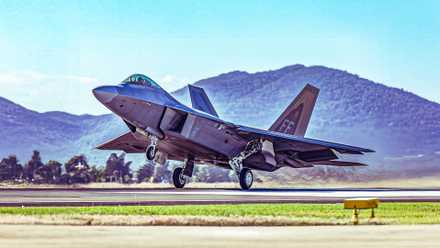
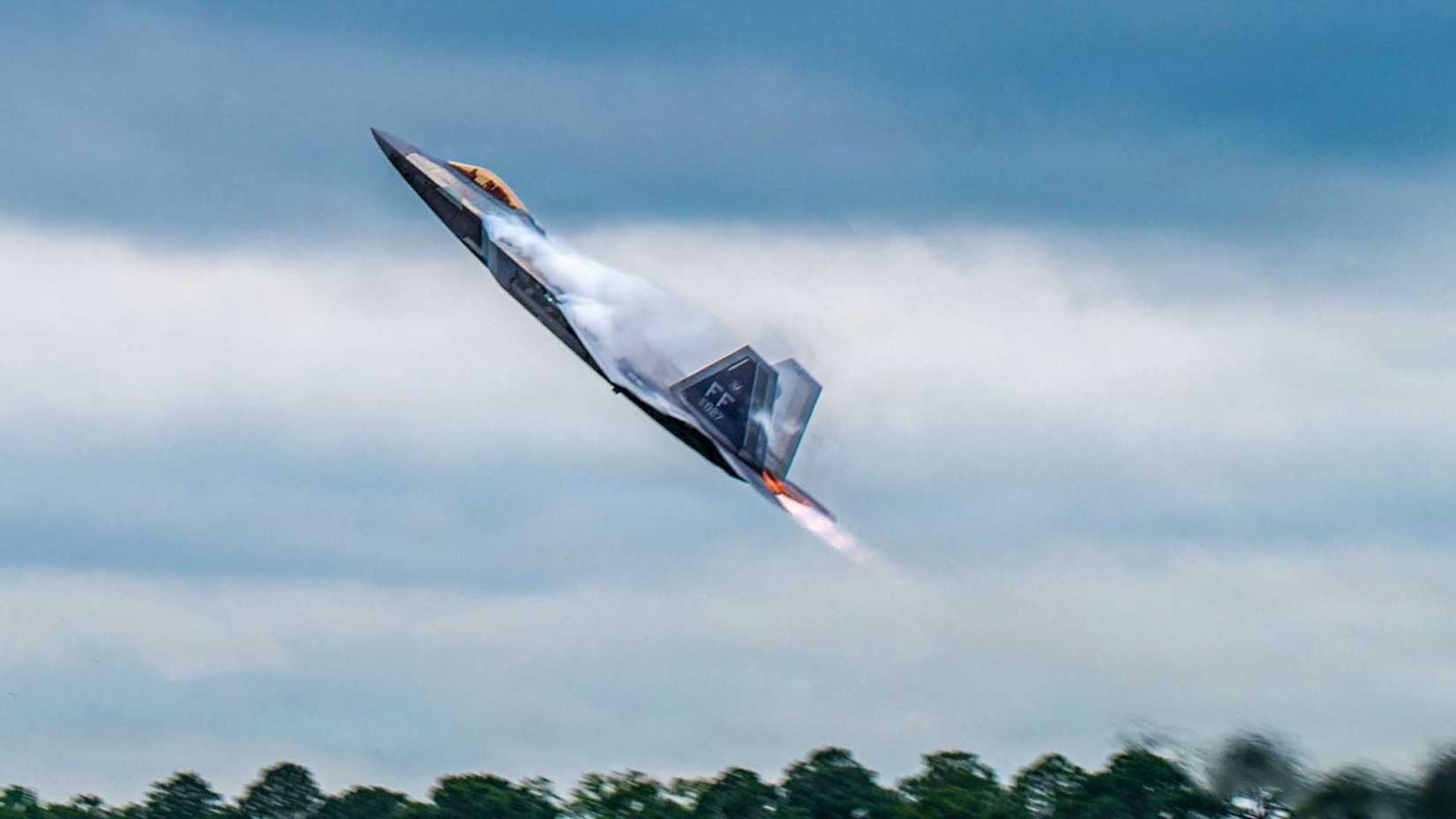
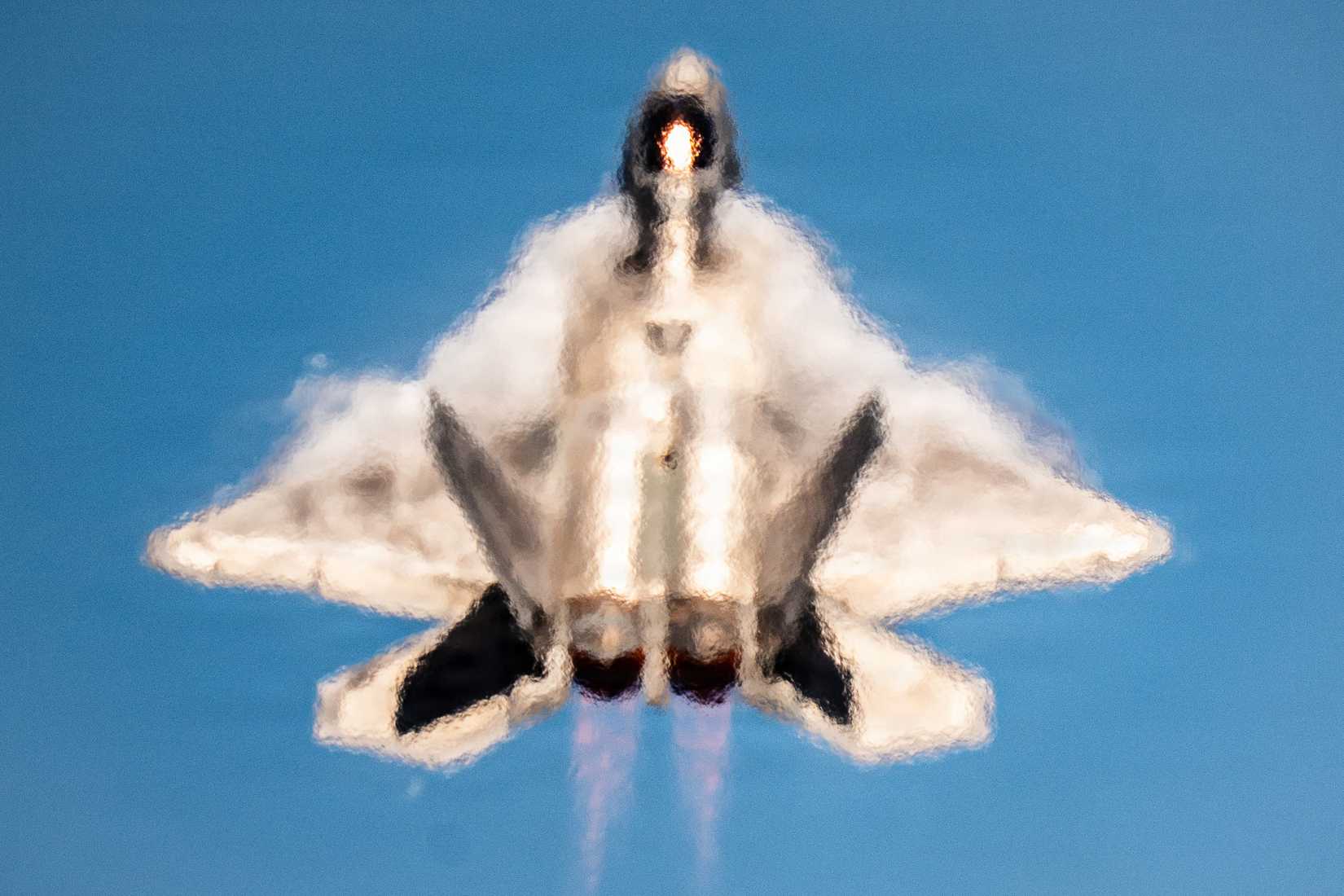
The F-22 Raptor's radar-absorbent material (RAM) coatings represent a generational benchmark in stealth technology that remains among the most effective in operational service despite being rooted in 1990s-era design principles. Unlike conventional aircraft paint, RAM consists of layered polymers, composites, and magnetic or conductive particles engineered to absorb and attenuate radar energy rather than reflect it. The F-22 occupies a second-generation position in the stealth coating lineage — more refined than the climate-sensitive first-generation coatings on the B-2 Spirit, less durable than the carrier-capable third-generation materials found on the F-35 Lightning II, and considerably behind the anticipated fourth-generation low-maintenance system expected on the B-21 Raider. The classified composition, layering sequence, and integration methodology of the F-22's RAM are considered among the most tightly held manufacturing secrets in U.S. aerospace.
The difficulty in replicating the Raptor's stealth suite stems not solely from the coating formula itself, but from the entire industrial and institutional ecosystem required to produce and sustain it. Airframe shaping, internal weapons bays, engine inlet geometry, heat signature management, and maintenance discipline all function as interdependent layers of low-observability — any adversary acquiring physical access to an F-22 wreckage would gain only a partial picture without the complete engineering dataset behind it. This point is underscored by the performance gaps observable in nominally low-observable fighters such as Russia's Su-57 or Turkey's Kaan, which replicate the visual vocabulary of stealth aircraft without achieving equivalent radar cross-section reduction. Russia's documented struggles with precision manufacturing consistency further illustrate that the industrial tooling and quality-control discipline required to produce effective RAM at scale is itself a strategic capability, not merely a materials science challenge.
For professional aviators and aviation operators, this analysis carries relevance beyond military affairs in several concrete ways. The generational progression of RAM — from the hangar-queen B-2 to the carrier-deployable F-35 — mirrors a broader arc in aerospace materials development that is increasingly influencing composite structures, surface coatings, and thermal management systems across commercial and business aviation platforms. Composite-intensive aircraft like the Boeing 787 and Airbus A350 share a materials science lineage with RAM research, and the maintenance discipline culture required to preserve stealth coatings on military aircraft is directly analogous to the precise repair procedures now required on civilian composite airframes. Operators flying composite-heavy business jets under Part 91 or 135 certificates are already navigating inspection and repair protocols that demand the same precision manufacturing awareness the article highlights as a prerequisite for stealth capability.
The article also draws attention to the sustained investment required to keep legacy platforms competitive. The F-22's RAM has not remained static since initial operational capability in 2005; the U.S. Air Force has conducted multiple iterative upgrade rounds to the Raptor's coatings, reflecting a broader strategy of continuous modernization rather than replacement. This sustained-investment model is directly applicable to operators managing aging business jet fleets, where avionics, materials, and systems upgrades often extend airframe viability well beyond original design cycles. The parallel reinforces that platform value is rarely frozen at the point of manufacture — ongoing support infrastructure, upgrade pipelines, and institutional knowledge are what determine whether an aircraft remains operationally relevant across decades of service.







 Read original article