A Look At The Salaries Of Royal Australian Air Force Fighter Pilots In 2026 & Why They're Still Not Enough
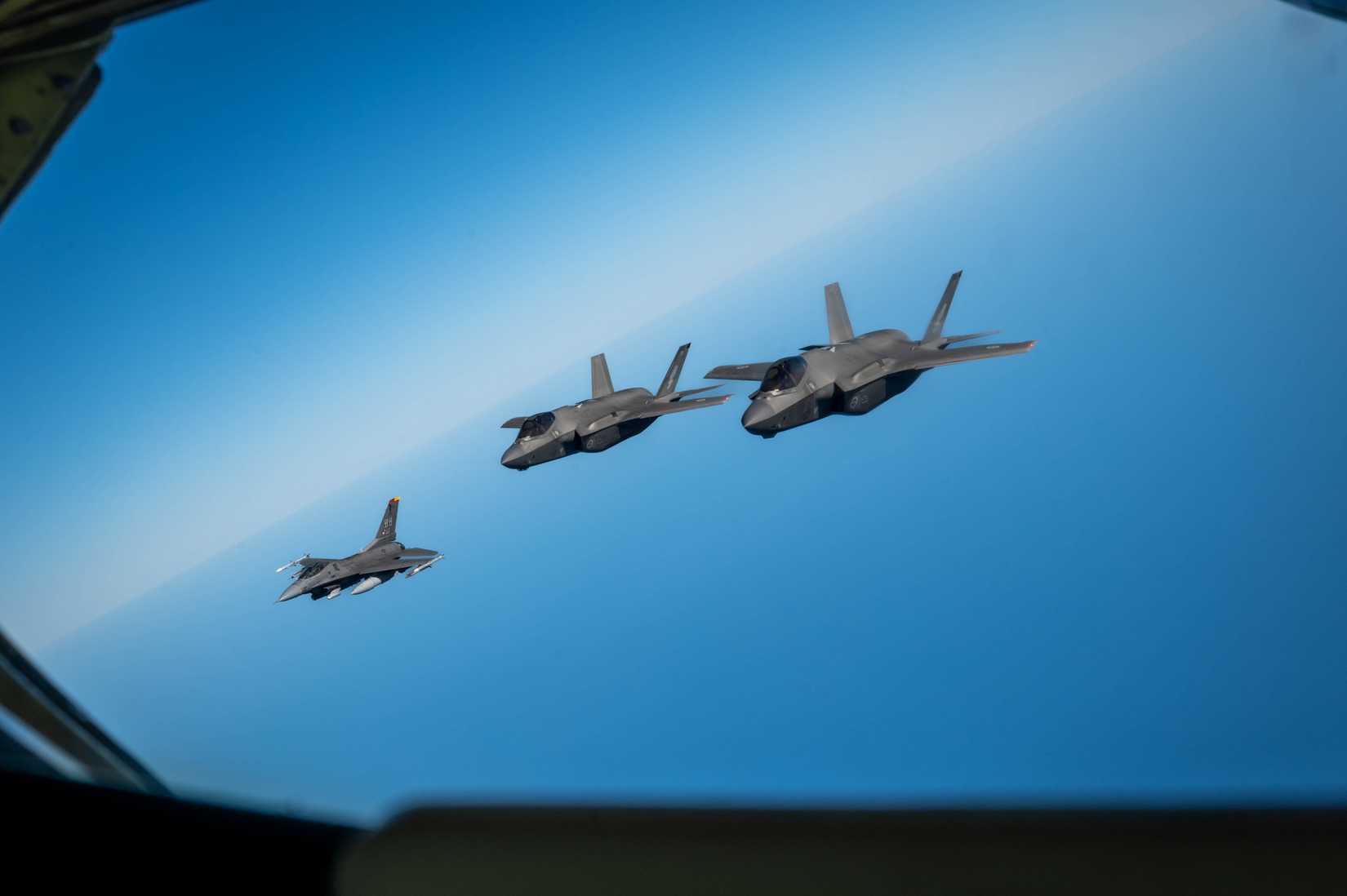
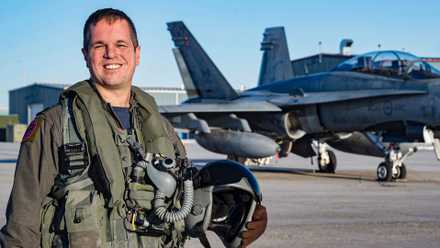
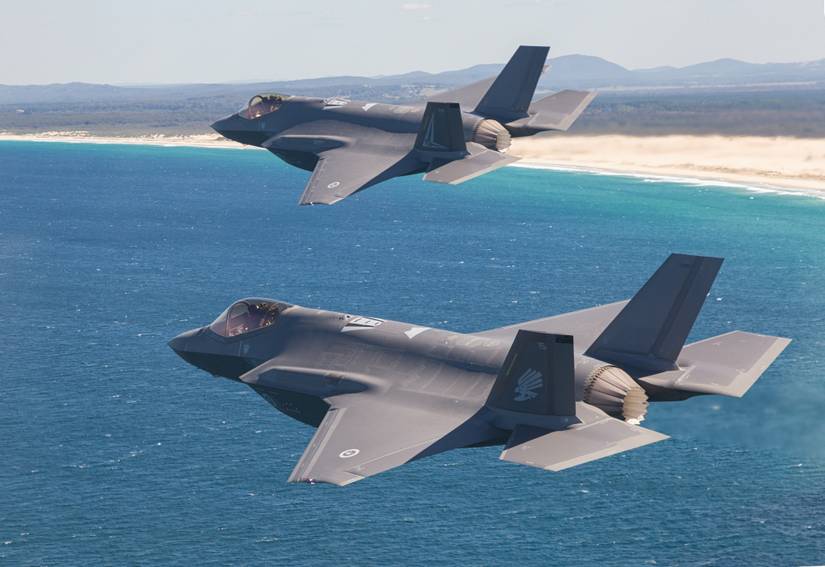
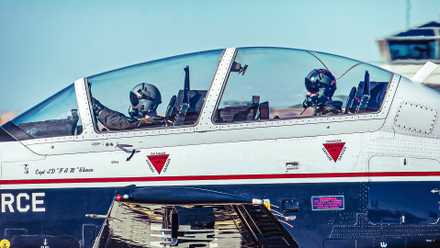
Royal Australian Air Force fighter pilots operating the F-35A Lightning II and F/A-18F Super Hornet are earning base salaries ranging from approximately A$106,000 to A$180,000 annually at the Flight Lieutenant level, with senior Squadron Leaders approaching A$193,000 before specialist allowances are factored in. When flying pay, deployment bonuses, operational hazard compensation, and the ADF's employer superannuation contribution of 16.4% — well above Australia's civilian mandatory rate of 12% — are included, median total compensation for an experienced RAAF fighter pilot sits around A$134,000, with many experienced aviators likely clearing A$160,000 or more in total remuneration. By global military standards, these figures place Australia among the better-compensating allied air forces. The problem is not absolute pay level; it is the rapidly shifting competitive landscape created by surging commercial airline salaries in the post-pandemic era.
The scale of the salary gap between military and commercial aviation has grown severe enough to become a structural retention crisis for the RAAF. Virgin Australia's enterprise agreement, effective July 2025, benchmarks first officer base remuneration at A$180,206 annually, with captains earning A$277,256. A domestic airline captain flying scheduled routes in Australian airspace is now out-earning a combat-qualified fighter pilot managing one of the Indo-Pacific's most sophisticated weapons platforms by a margin that can exceed A$100,000 per year. That differential is compounded by lifestyle factors that heavily favor civilian aviation — commercial pilots avoid the irregular deployments, frequent relocations, combat readiness cycles, and family disruption that define frontline military service. For mid-career RAAF aviators in their late thirties with families and long-term financial planning priorities, the calculus increasingly points toward the airline sector.
The timing of this attrition pressure is particularly damaging to Australian defense readiness. The RAAF is in the middle of a generational transition toward fifth-generation combat aviation, a program requiring years of specialized training investment per pilot. Every experienced F-35 aviator who exits to a commercial carrier represents not merely a headcount loss but a significant degradation of institutional knowledge and combat readiness that cannot be quickly replaced. The article also references the E3 visa pathway, which accelerates the attrition problem by giving Australian pilots a relatively accessible route to U.S. carrier employment, exposing the RAAF to competition from American airlines whose pay scales and lifestyle offerings further widen the gap. Allied nations including the United States and United Kingdom are navigating nearly identical dynamics, meaning there is no regional partner that can offer a structural solution or absorb excess trained military pilot supply.
For professional pilots operating in the civilian sector — particularly those in Part 135 charter, business aviation, or airline operations — this crisis carries direct relevance. Military-to-civilian pipeline transitions have long been a primary source of highly trained aviators entering commercial and corporate flight departments. As RAAF retention deteriorates and more combat-qualified pilots exit into domestic and international airline pools, competition for experienced instrument-rated, multi-engine aviators will intensify across all sectors of the industry. Corporate flight departments and regional carriers operating in Australia and the broader Asia-Pacific market should anticipate tightening supply and upward salary pressure as military attrition accelerates. The broader pattern mirrors what U.S., UK, and Canadian operators have already experienced as those nations' military pilot retention problems seeded accelerated hiring demand across commercial aviation.
The sustainability question the article raises — whether Australia's current military compensation model can hold — has no simple answer within existing defense budget constraints. Matching commercial airline captain salaries for fighter pilots would require a fundamental restructuring of ADF pay scales with significant fiscal implications. More likely outcomes include targeted retention bonuses for F-35-qualified aviators, enhanced quality-of-life incentives, and expanded pathways for reserve or part-time military service that allow pilots to maintain both a civilian career and an operational military role. Until a structural solution is implemented, the RAAF faces the reality that its most experienced combat aviators will continue to be recruited away by an industry that, for the first time in a generation, can offer comparable or superior financial rewards without the operational burdens of frontline military service.







 Read original article