Too Heavy For Its Own Wings: Why The Boeing 737-900ER's Takeoff Roll Is So Long
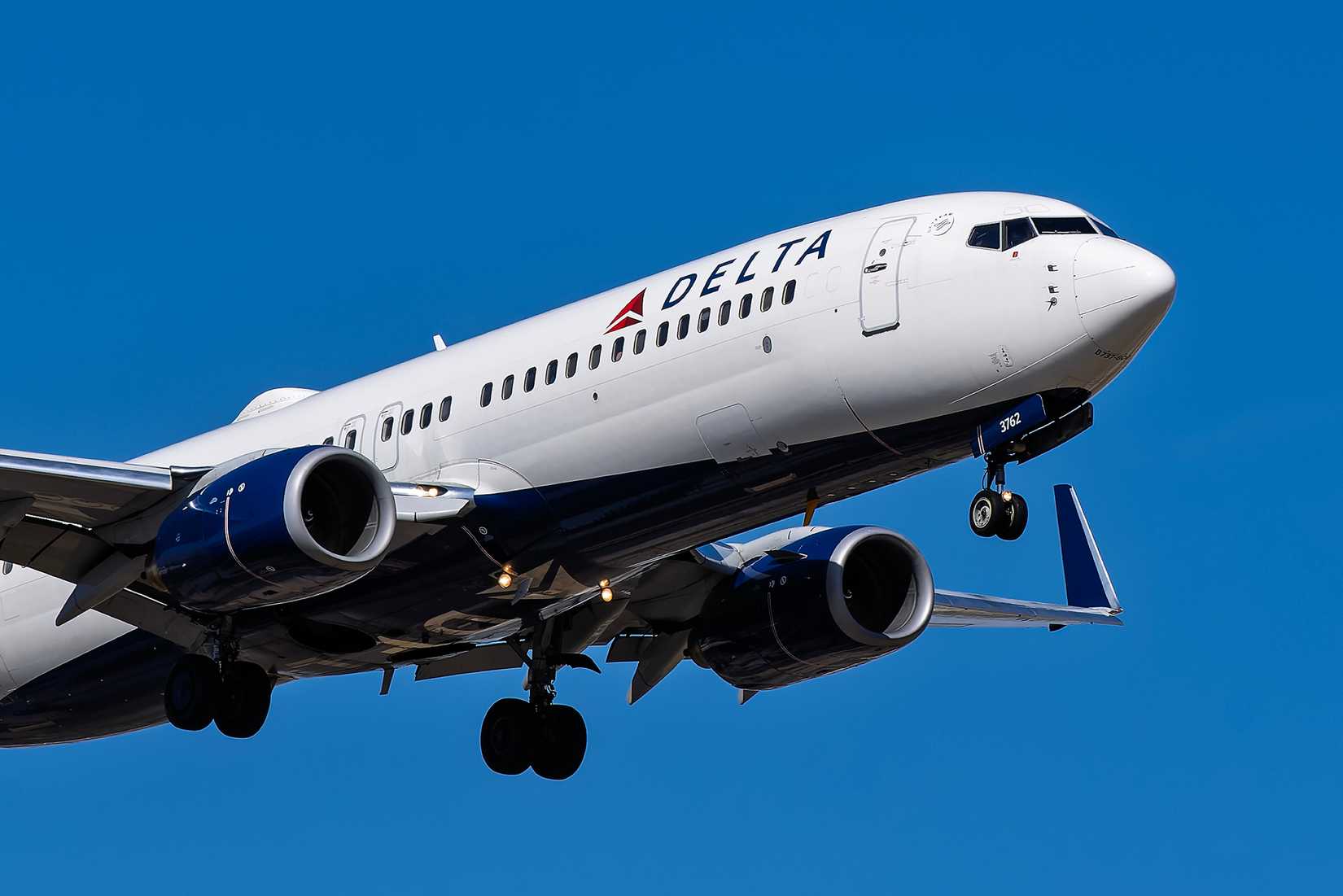
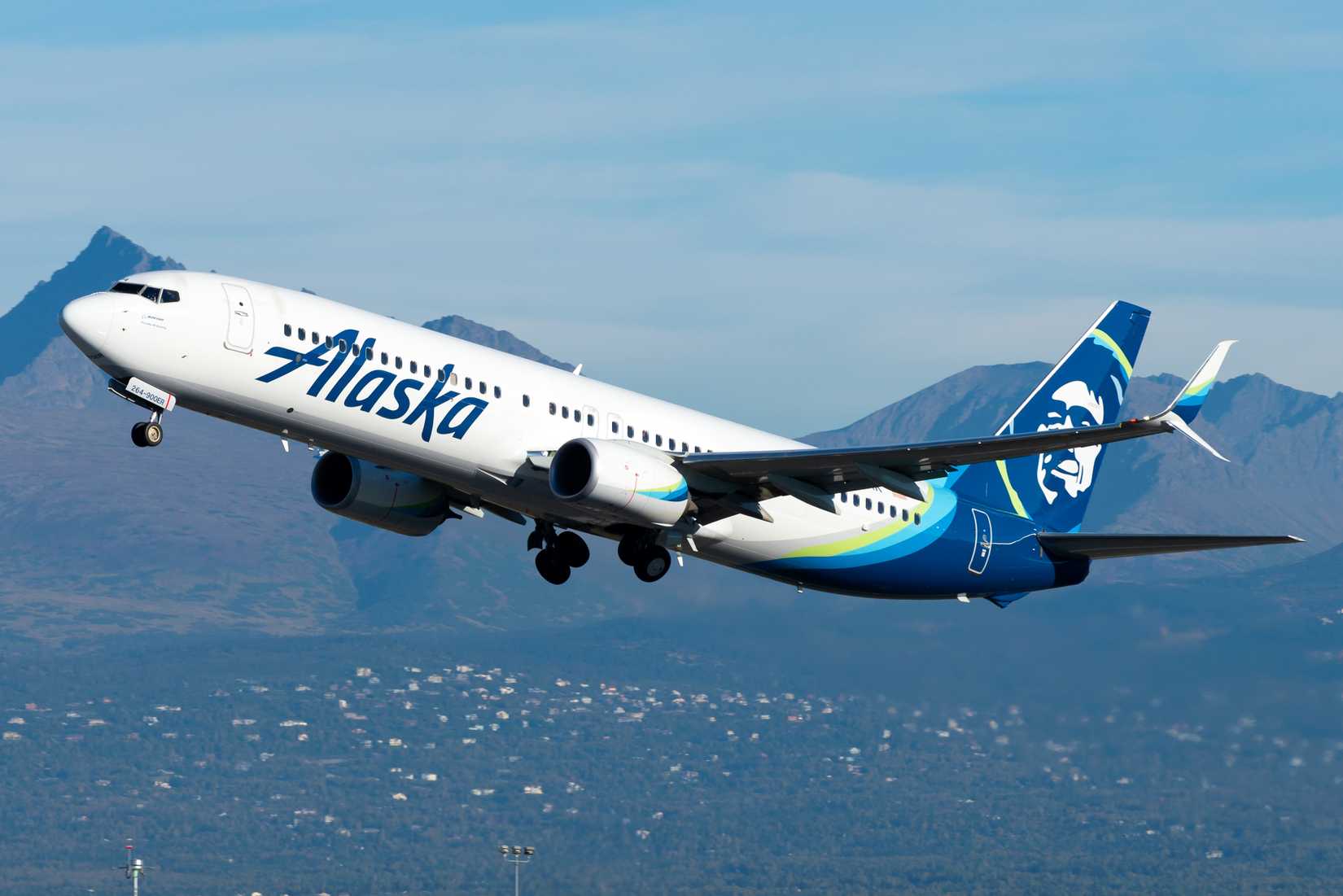
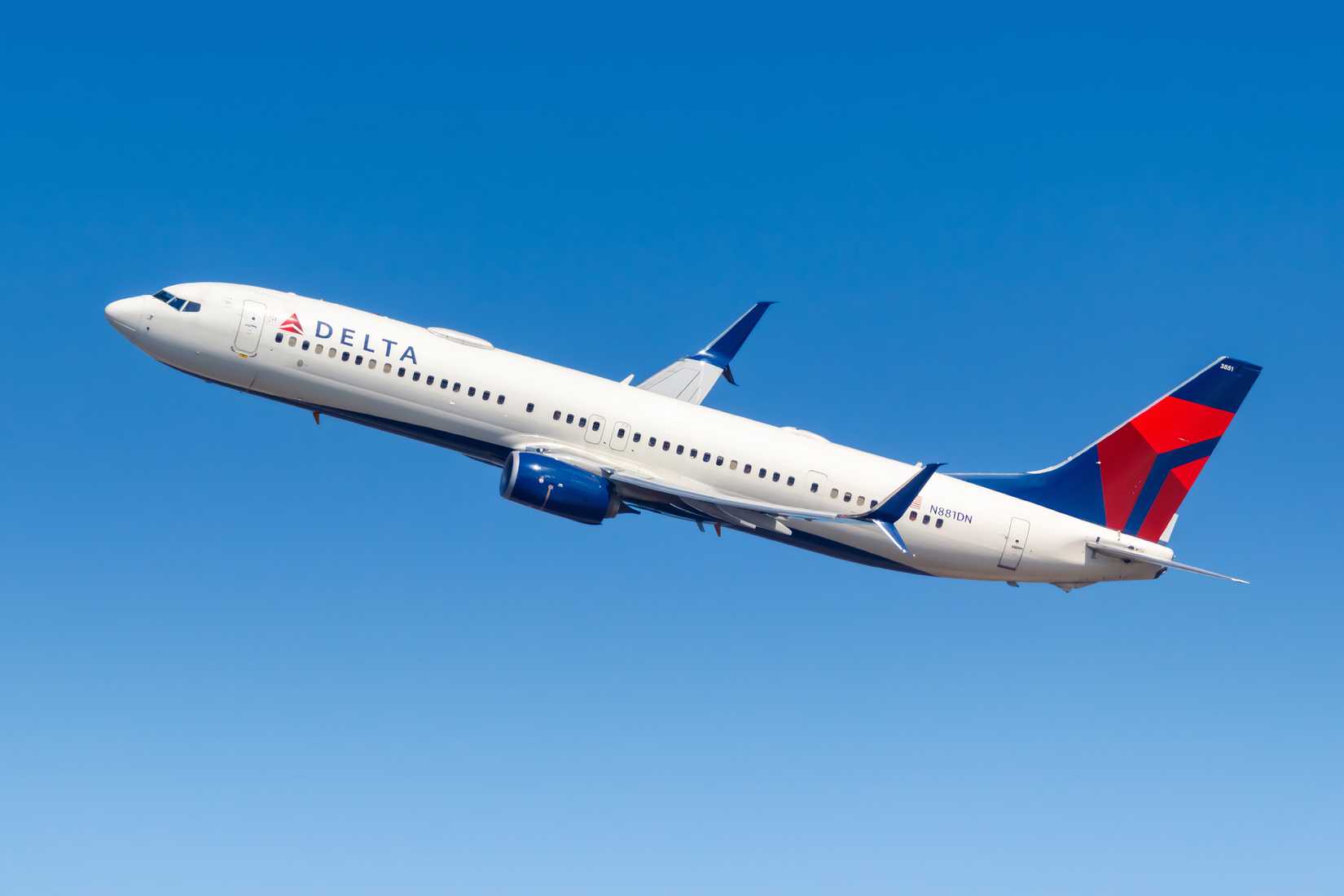
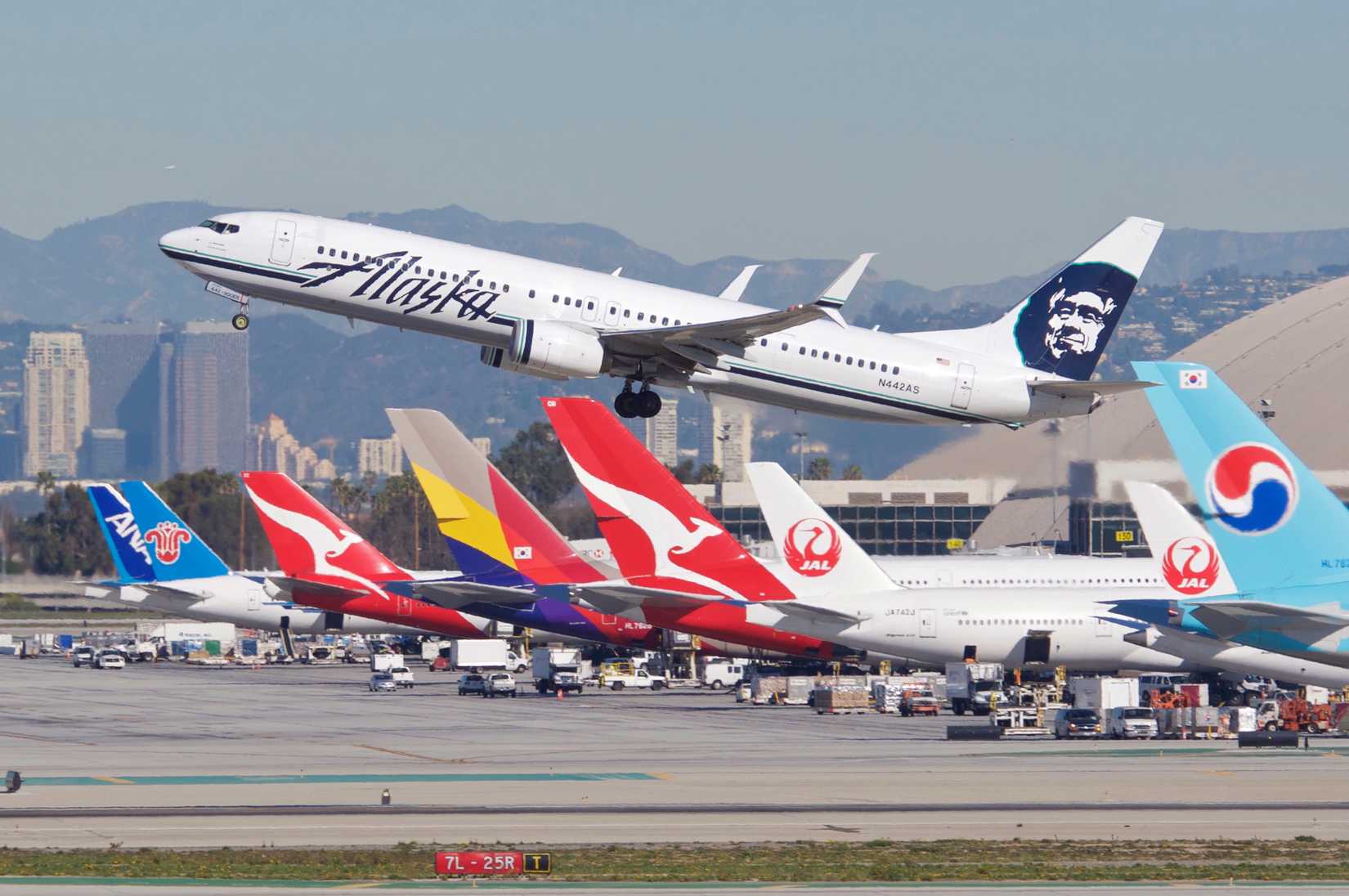
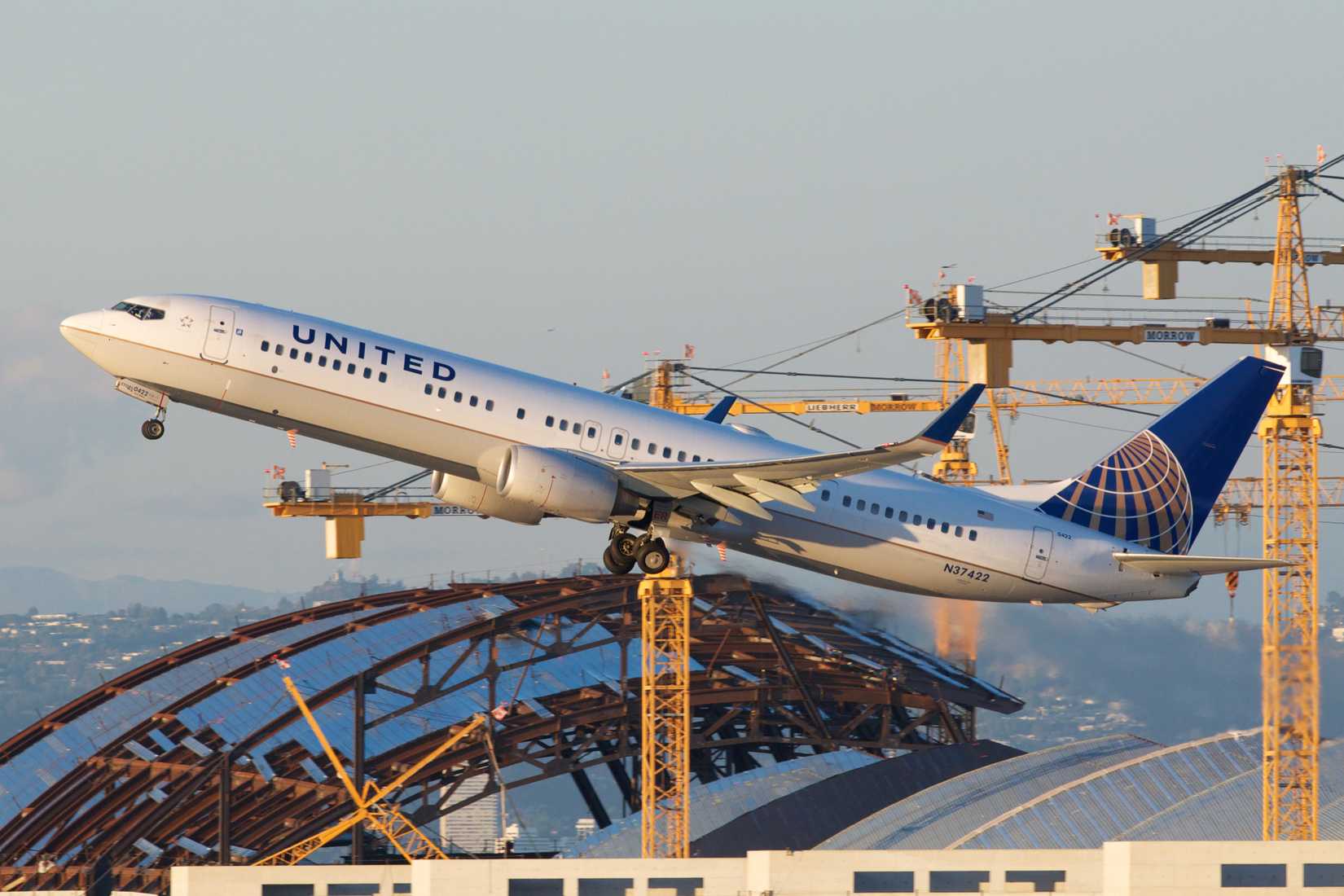
The Boeing 737-900ER occupies a structurally awkward position in the narrowbody market — it is the product of decades of incremental fuselage stretching applied to an airframe originally conceived in the 1960s, and its departure performance reflects those accumulated compromises clearly. At maximum takeoff weight of approximately 85,130 kilograms, the aircraft's two CFM56 engines each produce 28,400 pounds of thrust, yielding a thrust-to-weight ratio of roughly 0.30. That figure is modest by contemporary narrowbody standards, and it manifests directly in the cockpit as sluggish acceleration during the takeoff roll — a characteristic pilots operating the type for Alaska Airlines, Delta Air Lines, and United Airlines encounter routinely on longer, heavier departures. The core issue is wing loading: Boeing enlarged the fuselage without proportionally increasing wing area, meaning each square foot of wing must support more weight at rotation than on smaller 737 variants. The result is an elevated stall speed, a higher required rotation speed, and a balanced field length that reaches approximately 2,000 meters under favorable sea-level conditions and can extend toward 3,000 meters in hot or high-elevation environments.
For line pilots and dispatchers, the practical consequences extend well beyond a longer ground roll. Performance-limited departures require precise accounting of ambient temperature, pressure altitude, runway surface condition, and obstacle clearance gradients, and the margins narrow quickly as conditions deteriorate. On a warm summer day at a high-elevation airport — Denver, Salt Lake City, or Albuquerque, all of which serve 737-900ER operations — the aircraft may require payload restrictions to maintain required accelerate-stop and climb gradient margins. Those restrictions cut directly against the aircraft's core commercial value proposition: high seat-count density on short- to medium-haul routes. Dispatchers working with this type must engage performance tools with above-average care, and captains should expect weight and balance and V-speed calculations to be more sensitive to environmental inputs than on lighter NG variants. The thrust limitation is not compensated elsewhere in the performance envelope.
The tail strike geometry compounds the operational picture. A stretched fuselage reduces tail clearance during rotation, and because the -900ER already demands relatively high rotation speeds, the window between an adequate rotation rate and a tail contact event is narrower than on shorter members of the family. Pilots transitioning from the -700 or -800 must recalibrate rotation technique, applying measured back pressure rather than the more assertive inputs that work acceptably on lighter variants. Boeing addressed the geometry partially through design features including a tail skid, but the underlying physics of a long fuselage rotating about a main gear pivot point cannot be fully engineered away. This is not a unique challenge — similar dynamics appear on other stretched derivatives such as the Airbus A321 — but it adds a layer of technique discipline that instructors and check airmen emphasize during 737-900ER differences training.
The 737-900ER's performance profile also illustrates a broader industry pattern: the limits of platform commonality as a design and commercial strategy. Boeing preserved CFM56 engine compatibility and type rating commonality across the NG family, delivering real cost benefits to airline training and maintenance programs, but the largest variant pushed that shared architecture to its practical boundary. The aircraft was conceived explicitly to challenge the Boeing 757 on thin-to-medium markets without requiring a separate type certificate, and it largely succeeded commercially — but the performance trade-offs that strategy required are embedded in every departure calculation the aircraft demands. The subsequent 737 MAX 9 and MAX 10 addressed some of these limitations through the LEAP-1B engine's improved thrust and fuel efficiency, but the MAX 10 introduced its own set of tail strike concerns severe enough to require a dedicated anti-tail-strike system and to complicate its certification timeline significantly.
For operators and flight departments evaluating narrowbody fleet decisions, the 737-900ER case remains a useful reference point when assessing any stretched derivative aircraft. Wing loading, thrust-to-weight ratio, and rotation geometry are not abstract engineering figures — they translate directly into runway requirements that may or may not be compatible with a given route network, and into operational disciplines that must be embedded in SOPs and training programs. Airlines that operate the -900ER successfully have built that operational awareness into their dispatch workflows and pilot training, accepting the aircraft's performance characteristics as a manageable trade-off for its seat economics. Those that underestimate the gap between the -900ER and its smaller siblings can find themselves managing payload penalties and runway-limited operations that erode the efficiency gains the aircraft was designed to deliver.











 Read original article