Here's How Emirates' New Airbus A350 Business Class Compares To Its Older Boeing 777 Cabin
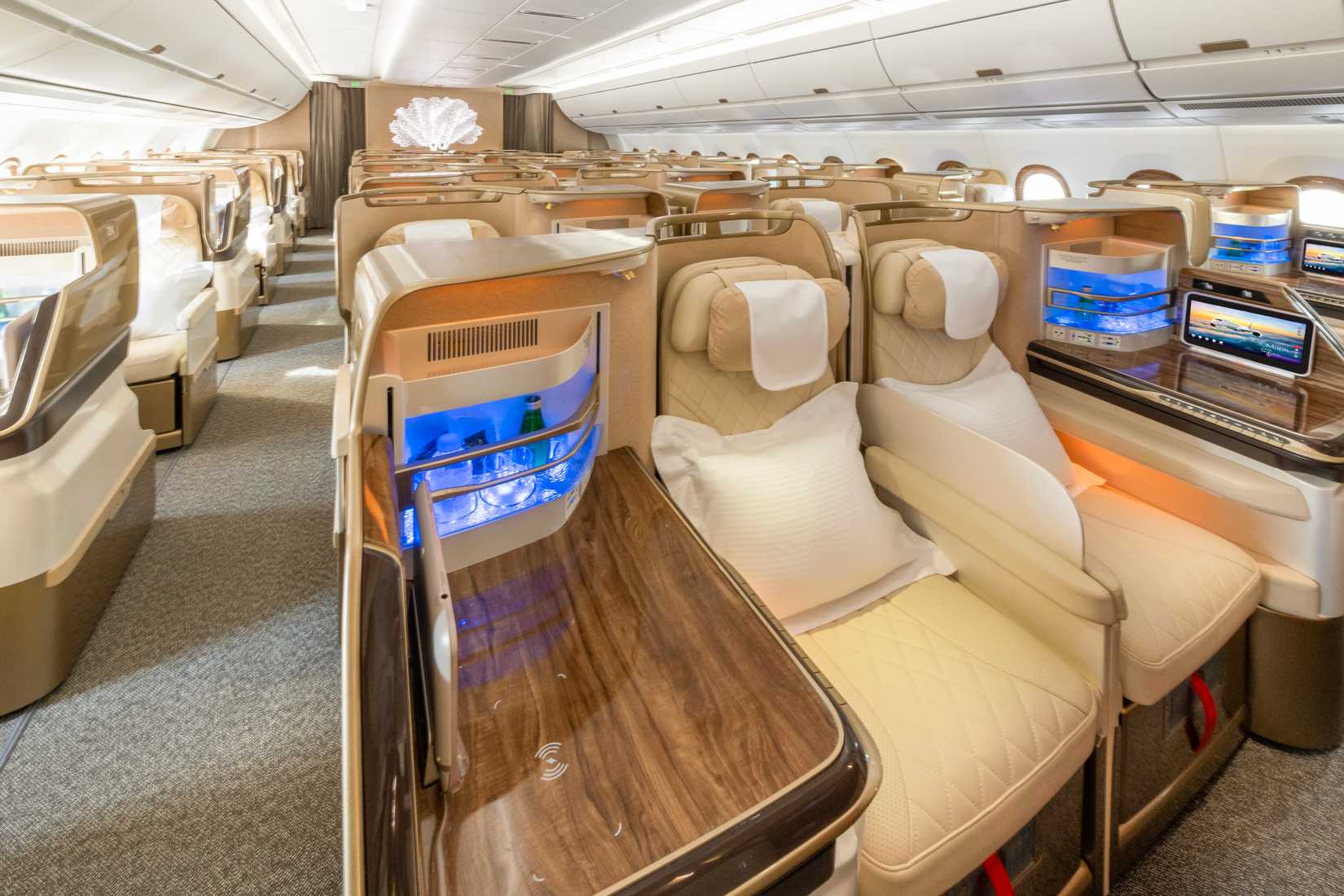
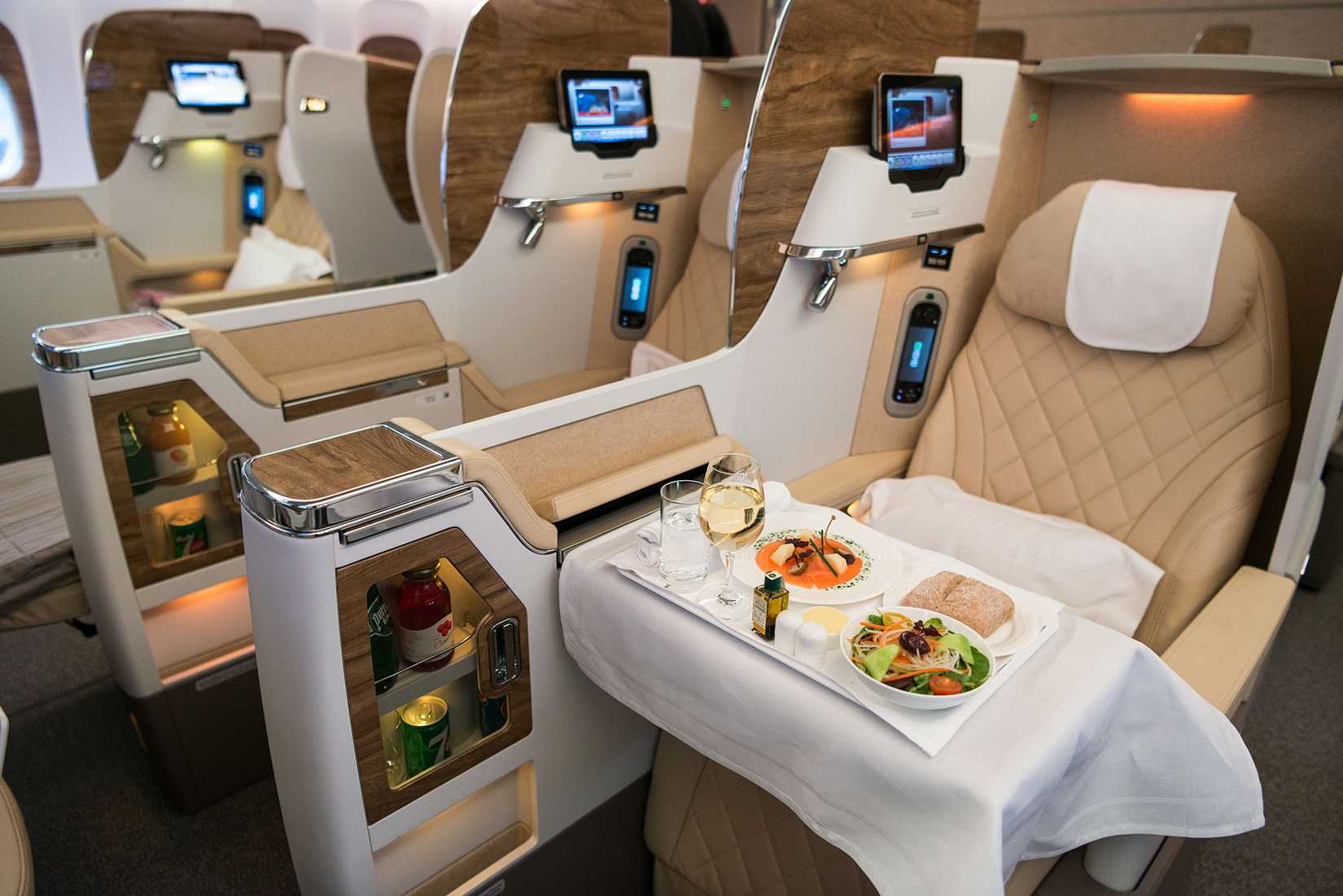
Emirates' introduction of the Airbus A350-900 S-Lounge business class marks the carrier's first substantive business class redesign in years, and it arrives against a competitive backdrop that has grown significantly more demanding. The airline's Boeing 777 fleet, which constitutes the backbone of its widebody operations and the product most of its passengers actually encounter, has carried a 2-3-2 business class layout that predates the current industry standard by nearly a decade. That configuration denies direct aisle access to the majority of center-section passengers and, on many aircraft, provides angled lie-flat rather than fully flat sleeping positions. The A350 S-Lounge addresses both deficiencies directly: 32 seats in a 1-2-1 configuration, every seat with direct aisle access, and a fully flat bed measuring 21 inches wide with 44 inches of pitch. The cabin design reflects a partnership with Mercedes-Benz and includes 20-inch 4K entertainment screens, Bluetooth audio, wireless charging, and USB-C connectivity throughout.
For airline, charter, and corporate flight operations professionals, the significance of this upgrade extends beyond passenger comfort metrics. The competitive gap Emirates allowed to develop on its 777 business class product is a textbook case in fleet management and cabin lifecycle risk. While Emirates invested in cutting-edge Game Changer first class suites on the 777-300ER beginning in 2017, the business class cabin on those same frames was left largely static. During that same window, Qatar Airways launched QSuites with closing privacy doors, Singapore Airlines and Cathay Pacific introduced new-generation suite products on A350 and 787 frames, and traveler expectations for direct aisle access, enclosed seating, and wireless device integration became baseline rather than premium. The S-Lounge closes much of that gap, but notably without a sliding privacy door — a feature competitors have made standard — and Emirates has given no indication that a door-equipped variant is planned for future deliveries.
The aircraft type transition itself carries operational context that pilots and flight operations professionals will recognize. The A350-900 represents a fundamentally different airframe from the 777-300ER in terms of systems architecture, flight deck design, and maintenance footprint. Emirates' entry into A350 operations signals a broader fleet diversification away from its long-standing Boeing-heavy strategy, a shift that has implications for type rating demand, simulator capacity, and training pipelines across the Middle Eastern carrier market. Emirates has operated as one of the world's largest 777 operators for decades, and adding an Airbus widebody type introduces cross-fleet training and scheduling complexity that will shape its flight crew management for years. For pilots currently holding or pursuing A350 type ratings, Emirates' fleet growth in the type represents a potential demand signal in the recruitment market.
The broader trend this product comparison reflects is the increasing segmentation of long-haul premium cabins by cabin generation rather than simply by class designation. Operators and corporate travel departments that book business class travel on behalf of crews, executives, or clients are increasingly being forced to evaluate not just the cabin class but the specific aircraft type and cabin variant assigned to a given route. On Emirates, a business class booking on a 777 and a business class booking on the new A350 are materially different products in terms of seat geometry, technology, and privacy — yet they carry the same commercial designation. This kind of intra-airline product variance is becoming a standard feature of major carrier fleets, and it reinforces the operational value of aircraft-specific booking tools and route-level cabin research rather than relying on carrier brand as a proxy for consistent product delivery.











 Read original article