Here's Why Soviet Aircraft Have Glass Noses & Western Jets Don't
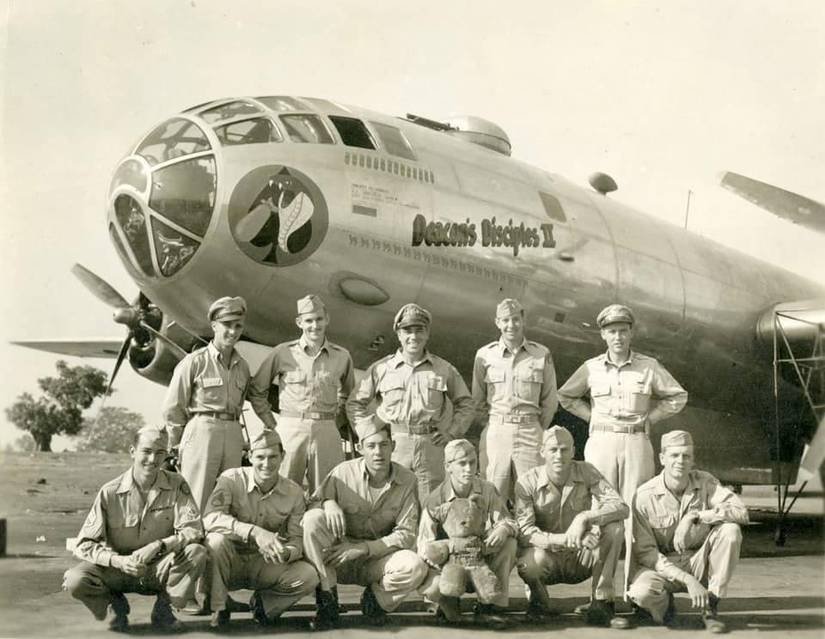
Soviet and Russian military transport aircraft have long featured a distinctive design element — glazed or glass noses — that separates them visually and philosophically from their Western counterparts, and the reasons behind this divergence illuminate a broader story about avionics philosophy, operational doctrine, and technological capability that remains relevant to anyone who studies aircraft systems development. The practice originated in World War II, when Allied and Axis bombers alike required transparent forward sections to accommodate bombardiers and navigators who depended on visual acquisition of targets and landmarks. Aircraft like the B-17, Avro Lancaster, and Heinkel He 111 all shared this characteristic, driven by the same operational reality: precision bombing and accurate navigation demanded a human eye with an unobstructed view forward and downward.
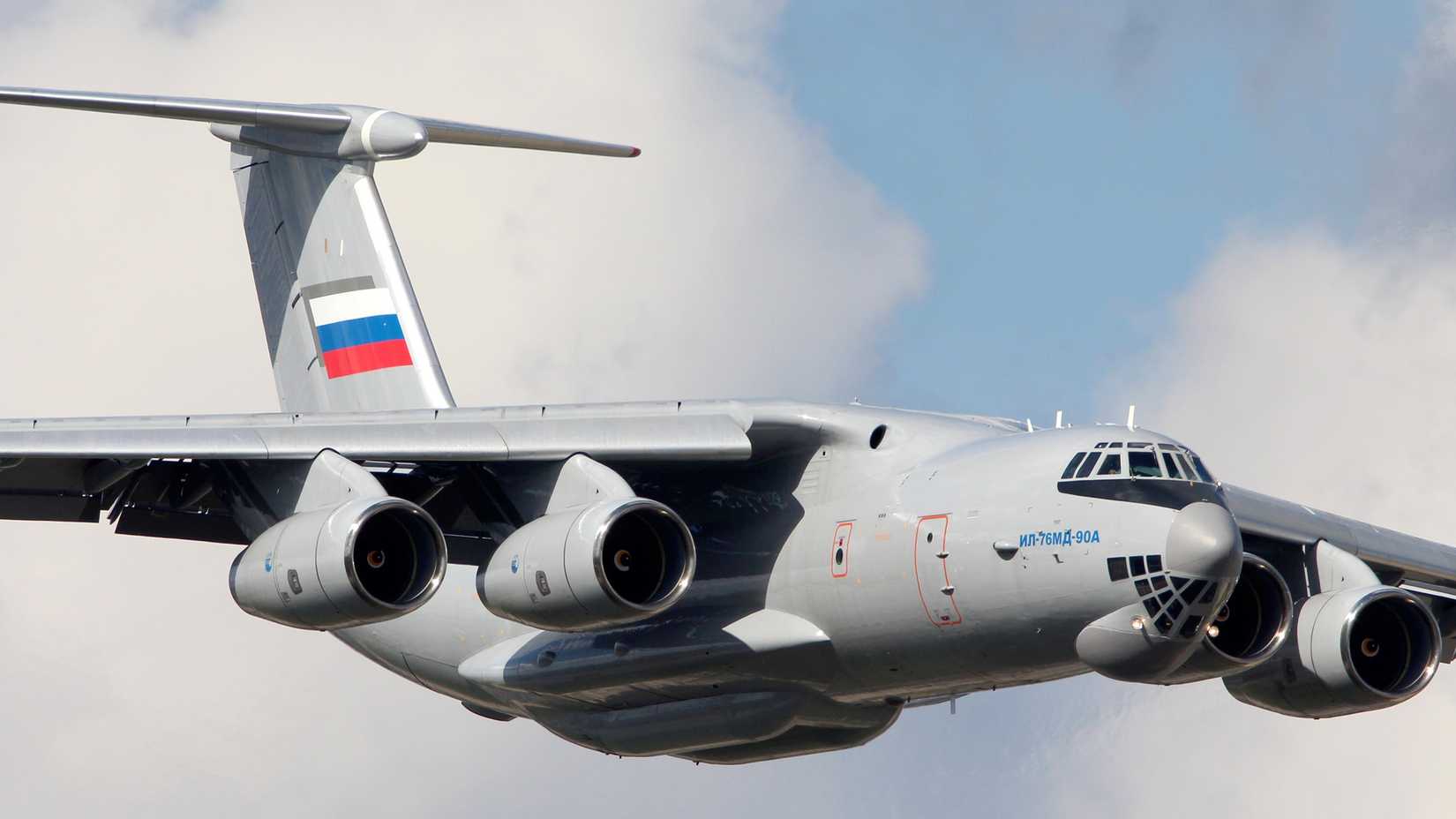
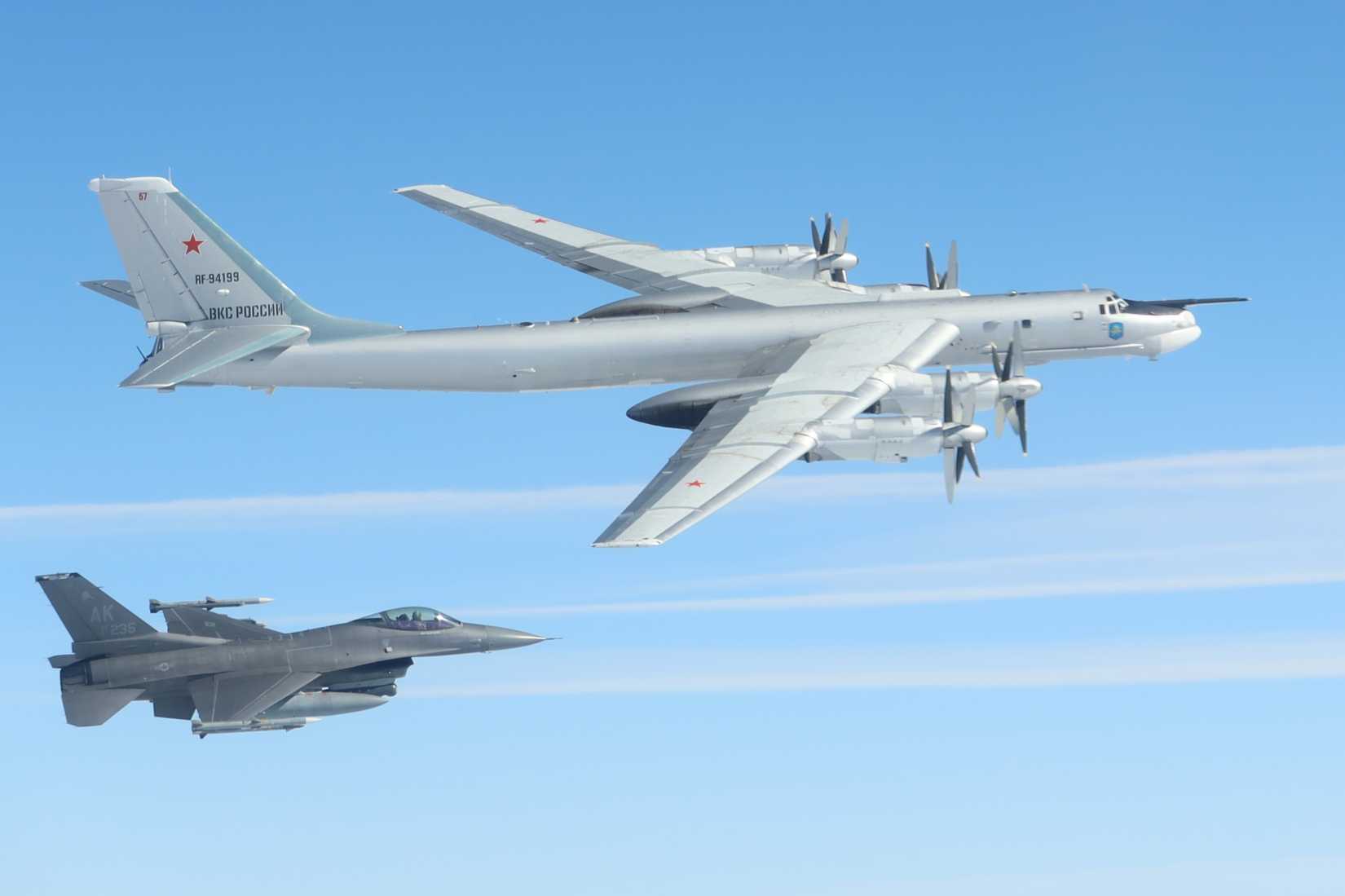
Western aviation moved decisively away from this architecture beginning in the late 1940s and accelerating through the 1950s. As radar-guided bombing, integrated avionics, and eventually computerized navigation systems matured, the nose section became far more valuable as real estate for radar arrays, electronic countermeasures, and sensor packages than as an observation post. The B-52, designed in that transitional period, reflected the new paradigm entirely — no glazed nose, radar navigation, no dedicated bombardier station in the traditional visual sense. Soviet aviation, however, followed a different trajectory. The USSR lagged significantly in miniaturized electronics, compact radar development, and integrated sensor fusion, forcing its aircraft designers to retain human observers as primary navigation and targeting assets well into the jet age. Aircraft like the Il-76 strategic airlifter, Tu-95 bomber, and early Tu-134 airliner carried glazed noses because the crews aboard them still needed to see stars for celestial navigation, identify ground landmarks, manually aim ordnance, or visually assess terrain and icing conditions below.
The philosophical difference runs deeper than a simple technology gap. Soviet operational doctrine reflected the reality of flying over an enormous, sparsely populated landmass with minimal ground-based navigation infrastructure. In environments where VOR stations, DMEs, and precision approach aids were rare or nonexistent, visual confirmation by a dedicated crew member was a reliable, low-tech fallback that didn't depend on electronic systems that could fail, be jammed, or simply weren't available. Western air forces, operating primarily over Europe and the North Atlantic with dense navigation infrastructure and rapidly advancing avionics, had less operational pressure to retain human visual navigation. The Soviet approach was not irrational — it was a pragmatic response to a different set of constraints, though it did impose costs in crew size, aircraft complexity, and vulnerability to the eventual obsolescence of manual methods.
For professional pilots, the technological divergence embedded in this design history has direct relevance to understanding avionics philosophy and crew resource management evolution. The Soviet reliance on dedicated navigator and bombardier crew stations mirrors a broader pattern in which larger, more manually intensive crews compensated for less capable automated systems — a dynamic that also characterized early Western commercial aviation before FMS, GPS, and EFIS systems reduced crew requirements from three to two on transport aircraft. The F-35 versus Su-57 comparison cited in the article — where the U.S. emphasizes sensor fusion and situational awareness while Russia emphasizes aerodynamic performance — reflects the same underlying divide. Pilots and operators who work with legacy Russian or Ukrainian-built aircraft, including numerous operators of Il-76 freighters and An-series transports still flying globally in cargo and charter roles, encounter these design philosophies directly in aircraft systems that required larger crews and more manual procedures than comparable Western platforms.
The broader trend this article illustrates is the degree to which aircraft design is shaped not just by engineering capability but by operational environment, infrastructure, and doctrine. Business aviation and Part 91/135 operators have benefited enormously from the Western trajectory — the proliferation of GPS WAAS approaches, FANS/CPDLC datalink, synthetic vision, and ADS-B represents the mature end of the same technological path that caused Western designers to close the glass nose and fill it with radar decades ago. Understanding where these systems came from, and why alternatives existed, provides working pilots with valuable context for appreciating both the sophistication of modern integrated avionics and the genuine ingenuity that went into designing aircraft for environments where those systems simply did not yet exist.







_Vnukovo_(6363355555).jpg?q=70&fit=crop&w=825&dpr=1)


 Read original article