Emirates Vs. Qatar Airways Vs. Etihad: Which Carrier Has The Best Business Class?
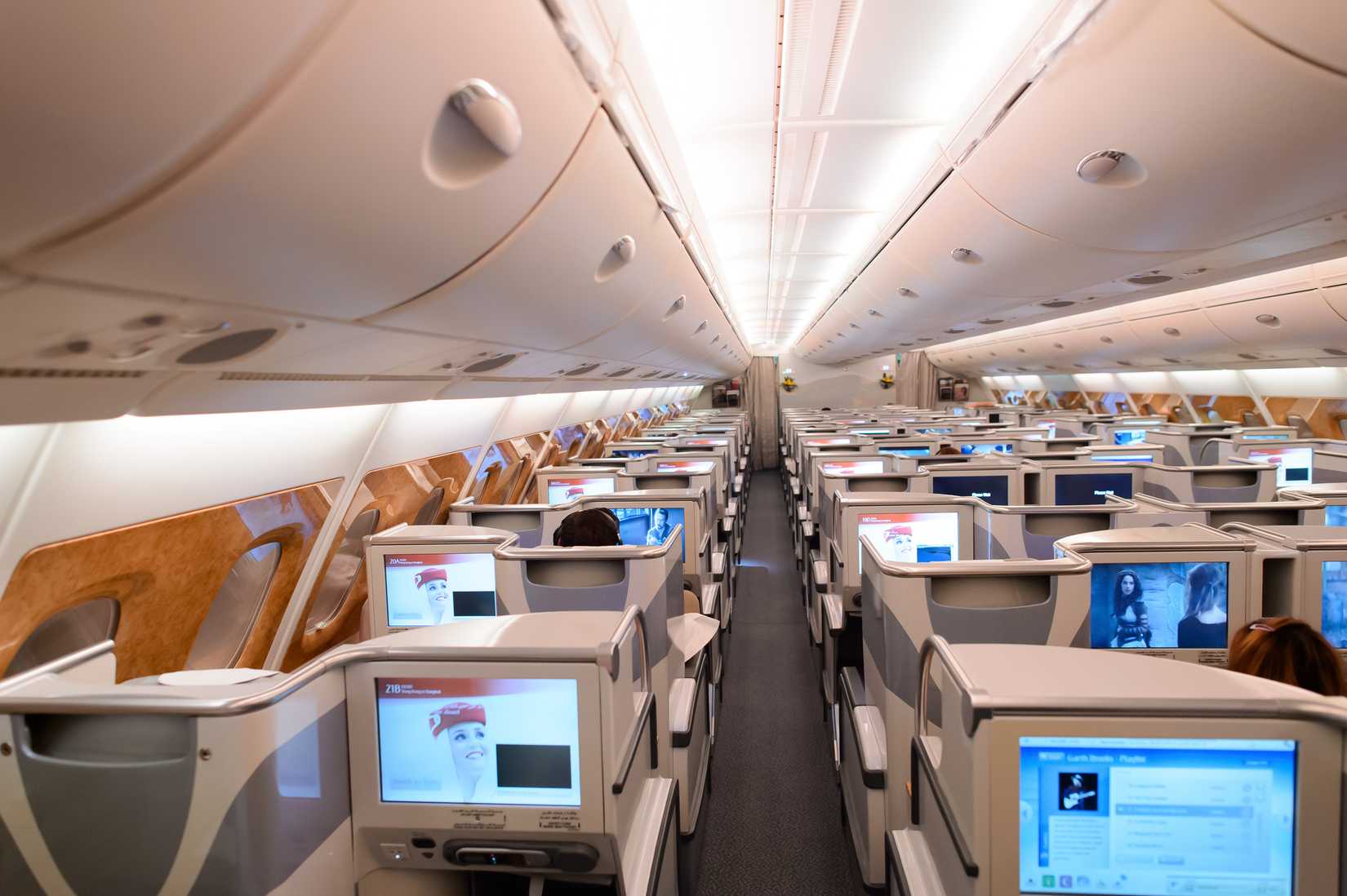
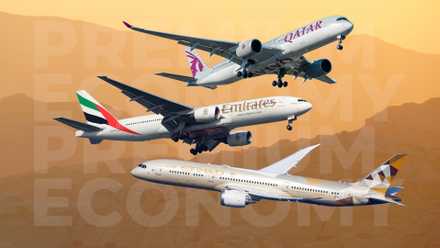
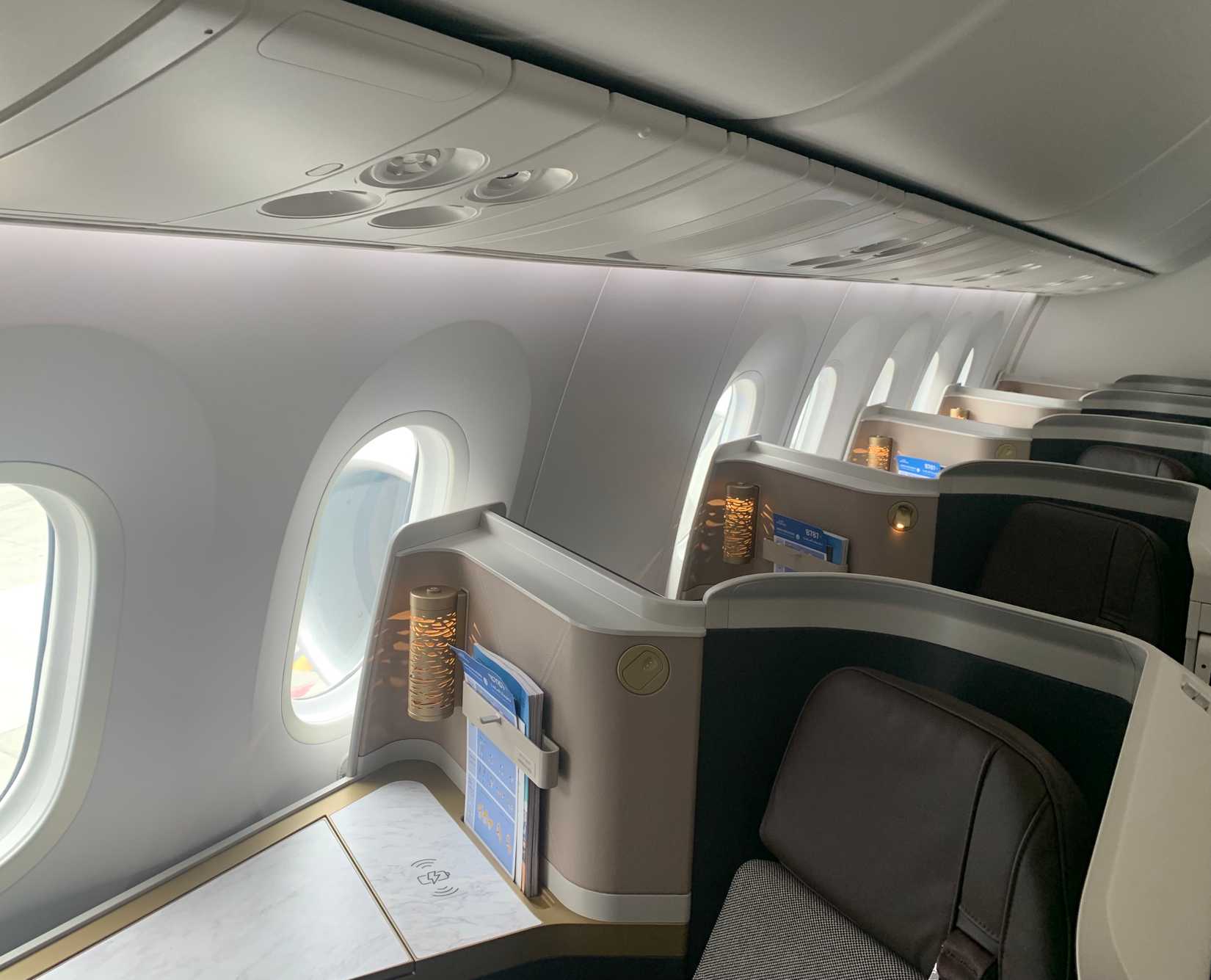
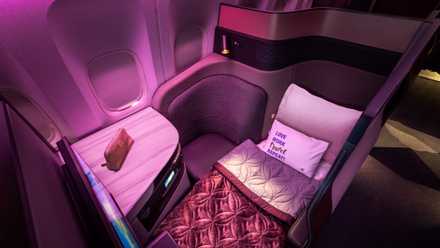
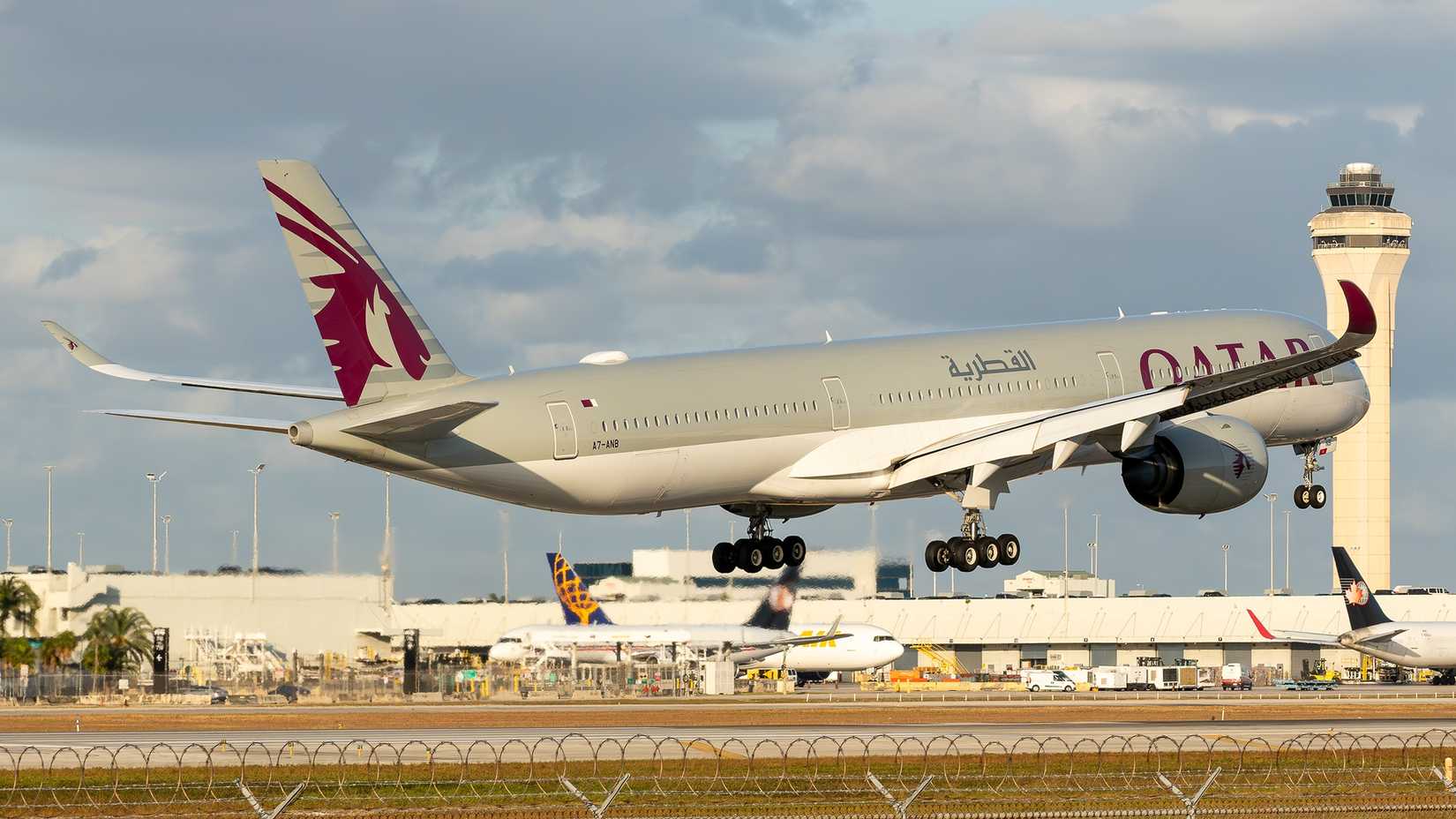
Emirates, Qatar Airways, and Etihad Airways collectively represent the most competitive premium cabin marketplace in commercial aviation, each deploying distinct strategies to attract the long-haul business traveler. Qatar Airways' Qsuite remains the benchmark product in the segment, distinguished by its suite door, lie-flat bed, and the configurable quad seating arrangement that converts four center seats into a shared dining or social space — a feature with no direct equivalent among the three carriers. Emirates competes on scale and entertainment depth, anchoring its flagship experience on the Airbus A380 upper deck with a 1-2-1 lie-flat cabin and a dedicated onboard lounge, while also mid-stream upgrading its Boeing 777 fleet from a heavily criticized 2-3-2 configuration to a modern direct-aisle-access layout. Etihad positions itself as the quieter, more design-forward option, centering its A350 Business Studios around sliding privacy doors, memory foam bedding, and Armani soft-product partnerships aimed at sleep-optimized travel.
For professional and corporate pilots, the practical implications of this competitive landscape extend beyond personal travel preferences. Corporate flight departments and Part 135 operators frequently benchmark their service offerings against leading commercial premium cabins, particularly when clients are weighing the relative value of a business jet charter against a Qsuite or Emirates A380 seat on a transatlantic or transpacific route. The gap that once clearly favored private aviation on privacy and sleep quality has narrowed materially as suite doors, fully flat beds, and on-demand dining have become standard across all three Middle Eastern carriers. Positioning crews on international routes will also encounter these products regularly, making awareness of lounge access, chauffeur services, and seat-map variability operationally relevant for flight planning and crew logistics.
Consistency remains the critical variable across all three carriers and is the factor most likely to affect a traveler's actual experience versus the marketed one. Qatar Airways' Qsuite, while widely regarded as the superior hard product, is not universally installed across the fleet and is vulnerable to last-minute aircraft substitutions that can place a passenger in an older, non-suite configuration with no direct aisle access. Emirates faces a similar inconsistency problem during its 777 retrofit program, where the difference between an older 2-3-2 cabin and the new 1-2-1 layout is significant enough to materially alter the quality of a long-haul rest. Etihad's smaller network and more uniform fleet composition give it a modest reliability advantage in product consistency, though its reduced route footprint limits its utility for travelers with diverse international itineraries.
The broader competitive dynamic among these three Gulf carriers reflects a wider structural shift in global premium aviation, where the quality ceiling on commercial business class has risen sharply over the past decade and continues to compress the experiential gap with private operations on long-haul segments. All three airlines have invested heavily in ground infrastructure — particularly lounge facilities at their respective hubs in Doha, Dubai, and Abu Dhabi — creating end-to-end premium ecosystems designed to retain high-yield travelers who might otherwise route through European hubs or opt for private charter. For operators and flight departments advising clients on travel decisions, understanding the specific aircraft-level product variance on these carriers, rather than relying on carrier-level brand reputation alone, is essential to setting accurate expectations and making sound routing recommendations.












 Read original article