14.5-Hour Flights: American Airlines Ends Longest-Ever Route From Philadelphia
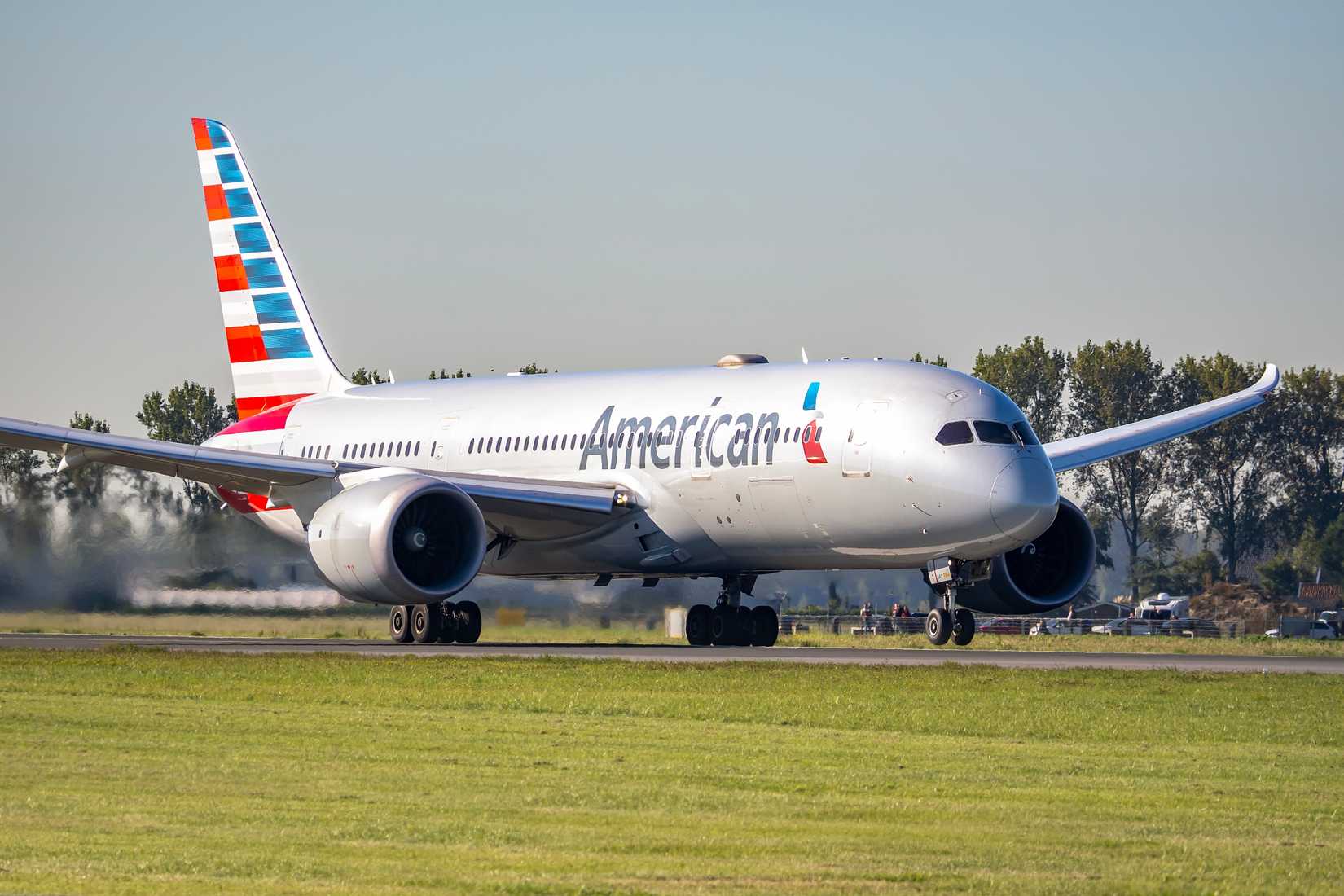
American Airlines has permanently removed its Philadelphia (PHL) to Doha (DOH) route from sale, ending what had been the longest-ever nonstop operation from its Pennsylvania hub at approximately 6,798 miles and 14.5 scheduled block hours. The route, initially suspended in March 2026 amid ongoing Middle East geopolitical tensions, had been expected to resume in January 2027, but the carrier has now foreclosed that possibility entirely by pulling all future inventory. The decision marks a significant reversal for a service that showed strong commercial momentum — passenger numbers grew from roughly 31,000 round-trip travelers in 2023 to 187,000 in 2024, with load factors consistently above 85%, figures that reflect robust demand not just for point-to-point traffic but for the extensive beyond-gateway connectivity that Doha's Hamad International Airport provides across the Middle East, South Asia, Africa, and Southeast Asia.
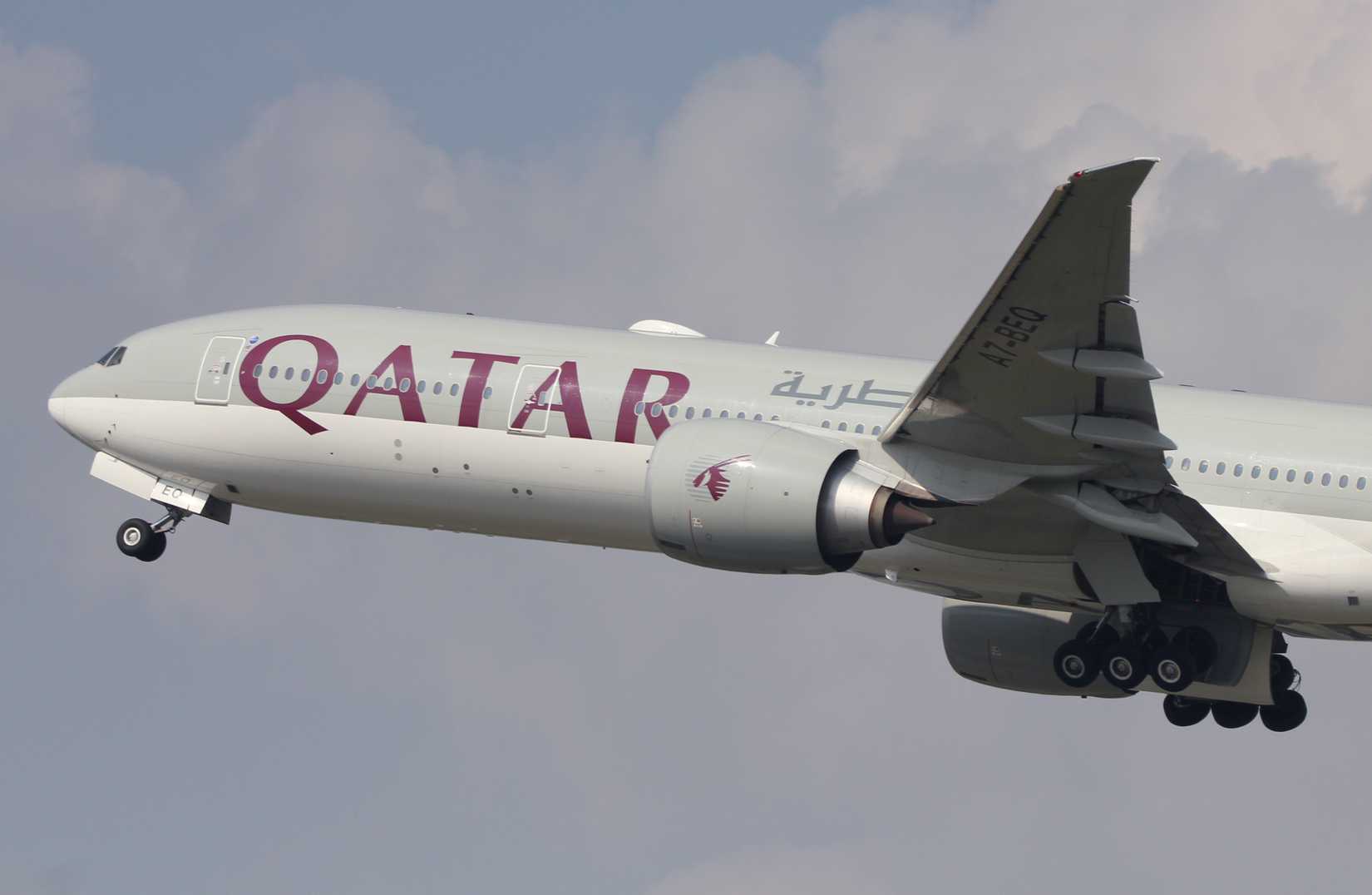
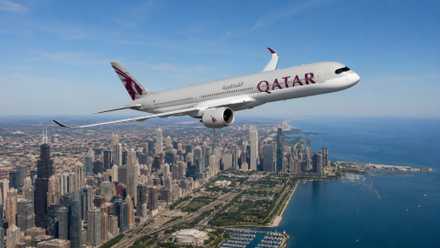
The strategic backdrop here involves the complex and often contentious relationship between U.S. network carriers and Gulf operators. American suspended its codeshare with Qatar Airways in 2017 over the long-running Open Skies subsidy dispute, only to restore the partnership in 2020 as commercial pragmatism outweighed political grievance. That reconciliation enabled the Doha launch in 2022 and the subsequent PHL transfer in 2023. American's permanent exit from the market now creates a structural gap that its oneworld partner Qatar Airways appears positioned to fill — aviation intelligence firm Ishrion Aviation has identified active recruiting by Qatar Airways at Philadelphia International, a credible signal of imminent network planning activity. Qatar Airways previously operated the DOH-PHL route from 2014 to 2023, accumulating roughly 1.4 million passengers over that period, providing institutional familiarity with the market's demand characteristics.
For airline and business aviation operators, the operational dimensions of this route deserve specific attention. A 14.5-hour scheduled block at distances approaching 6,800 miles places this firmly in ultra-long-haul territory, requiring augmented crew configurations under FAR Part 117 fatigue rules and demanding rigorous fuel planning, ETOPS authorization management, and dispatch release discipline for transoceanic routing over contested or restricted airspace. American's withdrawal likely reflects not only geopolitical risk assessment but also the operational cost burden of maintaining augmented crews and the premium aircraft required — in this case the Boeing 787-8 — on a route where war-related airspace constraints may have lengthened effective routing and increased fuel burn. These are exactly the kinds of compounding operational variables that make ultra-long-haul economics fragile when external risk factors elevate baseline costs.
The broader network picture at Philadelphia shows American executing a deliberate strategic pivot rather than a general retrenchment. The carrier is launching PHL-Porto service for summer 2027 using the Airbus A321XLR — a narrowbody with transatlantic range capability that allows American to profitably connect secondary markets that cannot sustain widebody economics — and recently inaugurated seasonal service to Budapest and Prague on 787-8 equipment. This pattern reflects the wider industry trend of using new-generation, fuel-efficient narrowbodies to unlock thinner transatlantic city pairs while concentrating widebody assets on high-density, high-yield trunk routes. For Part 91K and Part 135 business jet operators serving corporate travelers who rely on PHL as a connecting gateway, the temporary or permanent loss of a nonstop Doha option will likely redirect premium passengers toward JFK, Washington Dulles, or European hub connections, adding meaningful complexity to itinerary planning for clients with Middle East and South Asia objectives.
Qatar Airways' potential return to Philadelphia would restore the market equilibrium that American's exit disrupts, and the load factor trajectory on the route — improving from a 71.5% average during Qatar's prior tenure to above 85% under American's operation — suggests the demand base has matured considerably. If Qatar Airways does resume the route, it would likely deploy its long-haul widebody fleet, potentially the Boeing 777-300ER or Airbus A350, on a schedule configured to optimize Hamad International connecting banks. For crews, dispatchers, and flight operations personnel at carriers competing for transatlantic and Gulf traffic, the Philadelphia-Doha corridor is worth watching as a leading indicator of how Gulf carrier network strategy evolves in response to the ongoing reconfiguration of Middle East airspace and the broader normalization — or further deterioration — of geopolitical conditions affecting international aviation.







 Read original article