Boeing gains FAA approval for next step in 777-9 certification
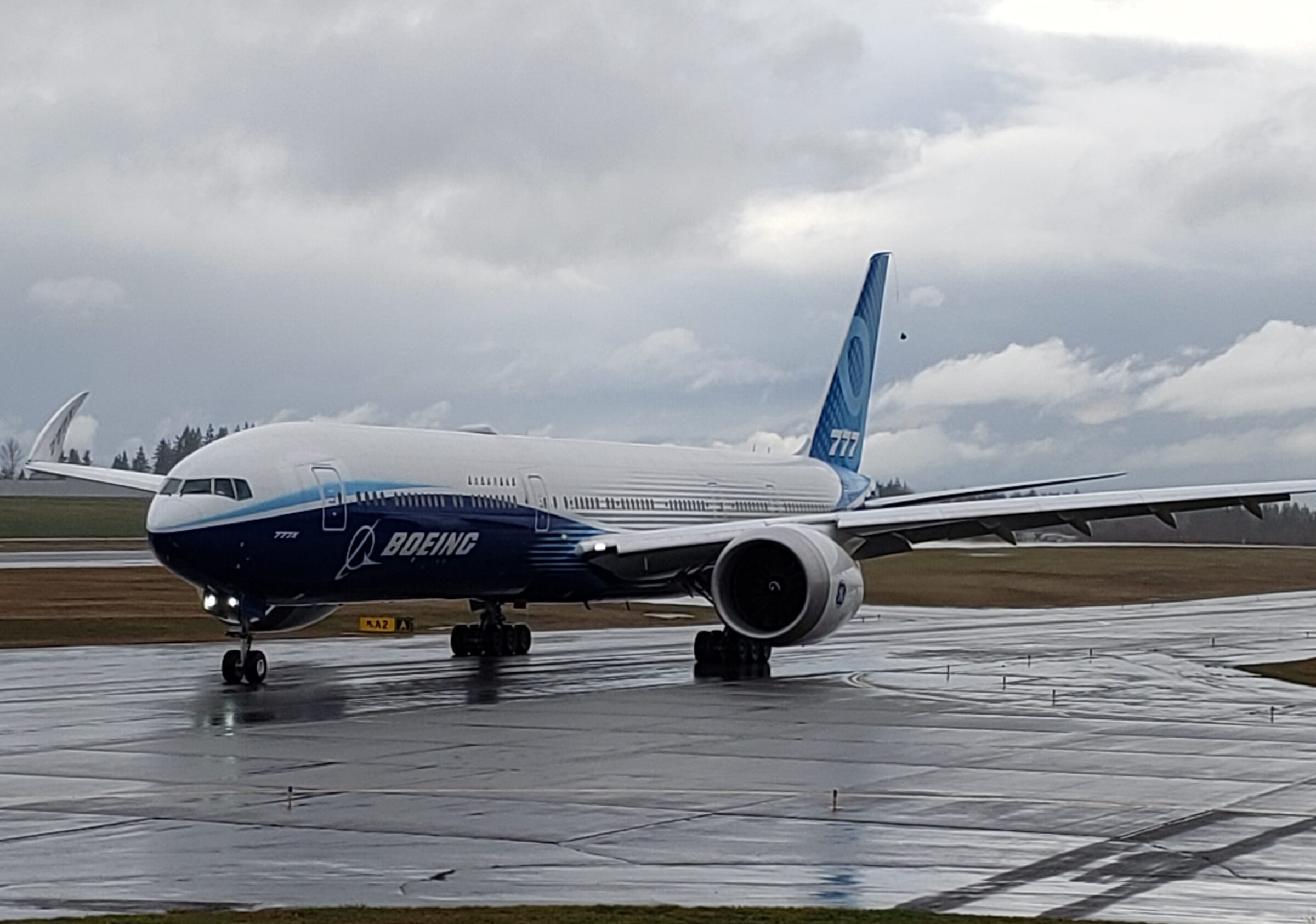
Boeing's 777-9 program cleared a significant regulatory hurdle on June 6, 2026, when the Federal Aviation Administration granted approval for Type Inspection Authorization Phase 4B, the final TIA stage carrying a substantial workload before the widebody can receive a type certificate. The authorization was confirmed by Boeing Commercial Airplanes CEO Stephanie Pope in an interview with Leeham News and Analysis, who characterized TIA-4B as unlocking the largest remaining block of flight testing still ahead of the program. That testing encompasses avionics verification, stability and control evaluation, and human factors flight testing — disciplines that directly govern how the aircraft behaves under operational conditions and how flight crews interact with its systems. Of the five TIA phases Boeing must satisfy, all others are either complete or nearly so, leaving 4B as the primary remaining gate before the FAA can move toward issuing a type certificate.
The staged TIA process itself reflects how fundamentally the regulatory relationship between Boeing and the FAA changed following the Lion Air and Ethiopian Airlines 737 MAX accidents of 2018 and 2019. Where TIA is ordinarily granted as a single authorization, the FAA elected to parcel it into sequential phases for the 777-9, inserting checkpoints that give the agency continuous visibility into test progress and findings rather than broad advance approval. That structural change in oversight has added time and administrative burden to certification, but it also means each phase completion represents a genuine, independently verified milestone rather than a formality. The program has also absorbed additional delays stemming from the grounding of the four 777X test aircraft beginning in August 2024 after thrust-link stress fractures were identified during inspections. Boeing states that a redesign of the affected components resolved the fatigue issue, but the grounding consumed months of testing calendar that cannot be recovered.
For airline operators with 777-9 orders on their books — a list that includes Emirates, Lufthansa, Qatar Airways, Singapore Airlines, and Cathay Pacific, among others — the TIA-4B approval narrows uncertainty around delivery timing without eliminating it. Boeing continues to project type certification in 2027, roughly seven years behind its original schedule, and the FAA is expected to require hundreds of additional test points before issuing the certificate. Fleet planning desks at those carriers must continue managing the gap created by delayed 777-9 deliveries, whether through extended lease agreements on aging 777-300ERs, accelerated orders for competing types, or renegotiated delivery positions. For flight operations departments, the human factors testing phase now underway is particularly consequential: it will shape cockpit procedures, automation logic, and crew training requirements that will eventually filter into type rating syllabi and airline-specific training programs.
The broader competitive context amplifies what is at stake for Boeing in executing cleanly through the remaining certification work. The Airbus A350-1000 entered service in early 2018 and has accumulated eight years of commercial operational experience against which the 777-9 must now be measured. Airbus has used that window to secure additional orders, refine the A350 product line, and establish the type's reliability record with operators. The 777-9 carries significant performance advantages on paper — greater payload-range capability and lower seat-mile costs at high capacity — but those advantages have been effectively theoretical for operators waiting on certification. Each additional month of delay compounds the competitive erosion Boeing faces in the large twin-aisle segment and increases pressure on the company's broader financial recovery, which remains dependent on restoring widebody production rates and capturing the revenue associated with a backlog that currently includes over 450 777X orders. TIA-4B approval is a necessary condition for eventual certification, but it remains one step in a process whose endpoint the FAA alone controls.






 Read original article