Here's What It Costs To Replace Every Aircraft The US Lost In Iran
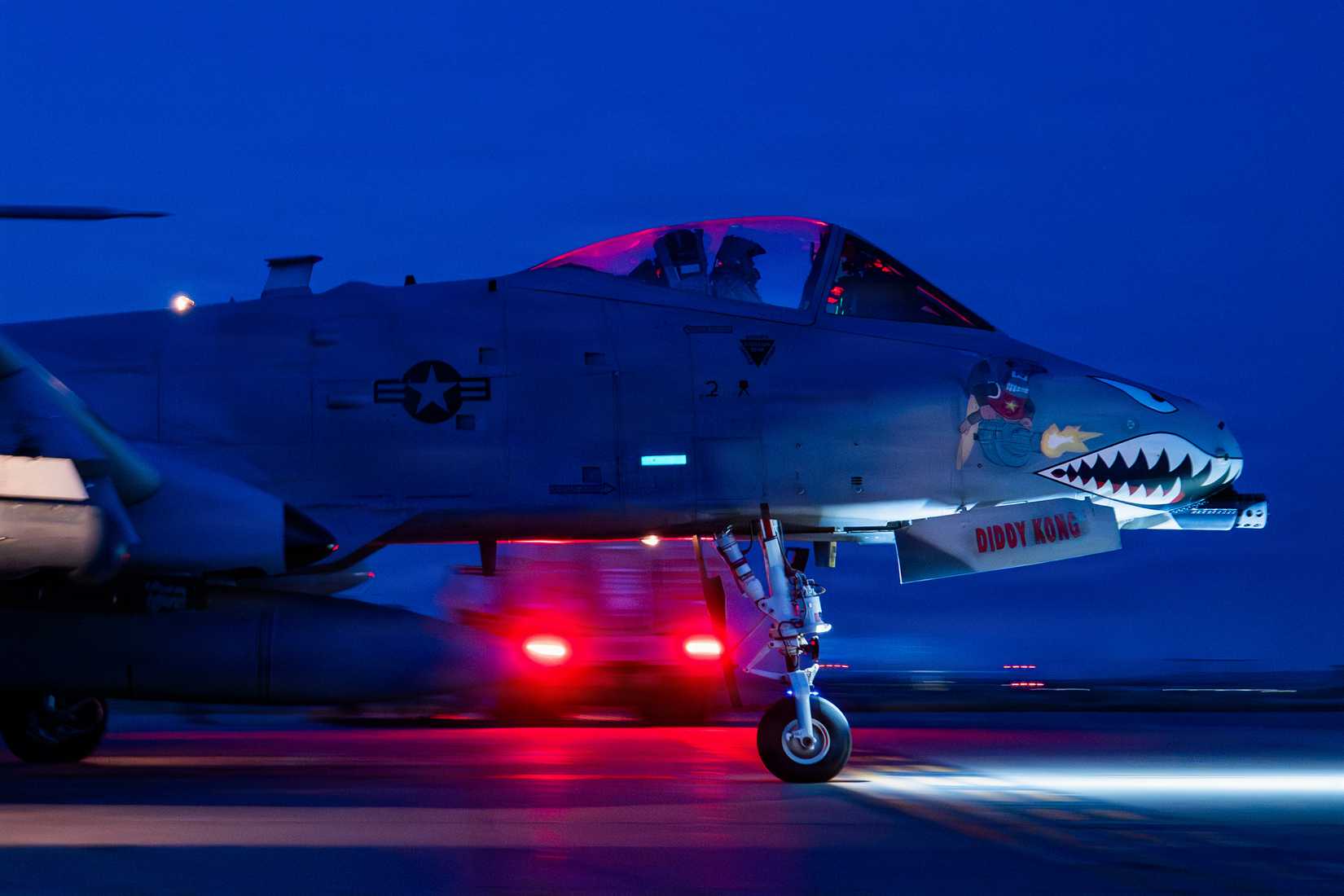
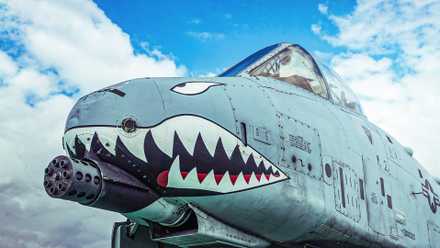
Operation Epic Fury has produced an aircraft attrition bill that the United States defense industrial base is structurally ill-equipped to absorb. Forty-two airframes have been lost or rendered non-mission-capable since the combined US-Israeli air, drone, and missile campaign against Iran commenced, carrying a replacement valuation of approximately $7 billion. That figure, however, substantially understates the operational damage, because several of the destroyed platforms exist nowhere on any active production line. The loss of one A-10 Thunderbolt II and one Boeing E-3 Sentry AWACS — both products of Cold War-era procurement cycles whose assembly lines closed decades ago — cannot be remedied through any procurement action currently available to the Pentagon. The E-3 loss is particularly acute: only 16 Sentries remain in the entire US inventory, and the destruction of a single forward-deployed airframe in Saudi Arabia represents the elimination of more than six percent of the total fleet and over 37 percent of the six-aircraft forward detachment.
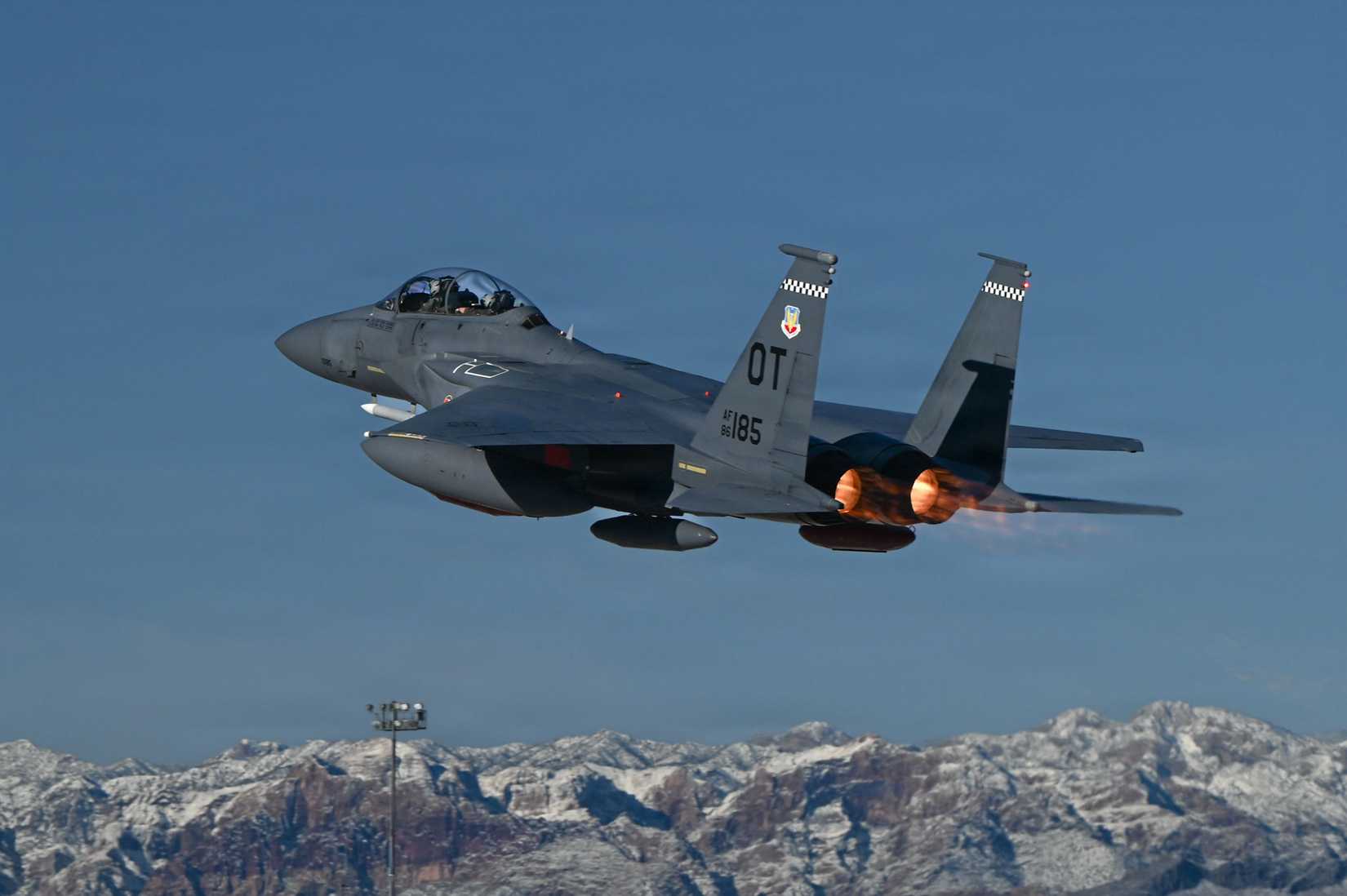
The replacement pathways for the aircraft that can theoretically be reordered are themselves constrained by schedule, cost, and program execution failures. The F-15E Strike Eagle losses — four airframes across hostile action and a Kuwait-based friendly fire incident — can only be offset by pivoting to the newer F-15EX Eagle II, which carries a unit cost roughly 28 percent higher than the inflation-adjusted value of the aircraft it replaces, and whose St. Louis production line faces a minimum three-year lead time before replacement jets could reach operational squadrons. The F-35A, which was broadly intended to fill the close air support and strike roles vacated by retiring legacy platforms, has compounded its own readiness deficit independently of combat losses. A Pentagon report released in 2026 confirmed that a critical software upgrade package was effectively non-functional throughout 2025, and delivery acceptance rates have been cut by half for the current year. Some recently accepted F-35s lack operational radar arrays entirely, limiting them to training roles — a circumstance that narrows the available combat-coded pool precisely when operational demand is highest.
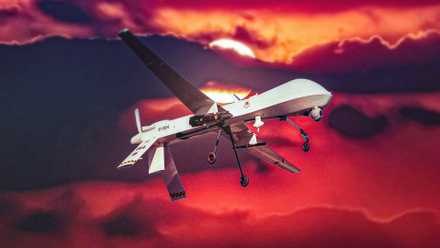
The MQ-9 Reaper losses add a further dimension to the readiness crisis that extends directly into the remotely piloted aircraft community. The Reaper, despite being considerably newer than the A-10 or E-3, has also ceased production, and the inventory was meaningfully degraded during Iran operations. Its intended successor — the collaborative combat aircraft, or loyal wingman drone — remains in the final prototype selection phase as of mid-2026, meaning no near-term numerical recovery is possible from that program. The parallel gap in AWACS capability is if anything more strategically severe: the only identified successor to the E-3, the Boeing E-7A Wedgetail, has been assessed as cost-prohibitive, and no alternative contender has emerged through the acquisition process. This leaves the command-and-control and airborne battle management architecture that underpins joint air operations dependent on a 16-airframe legacy fleet with no replacement timeline.
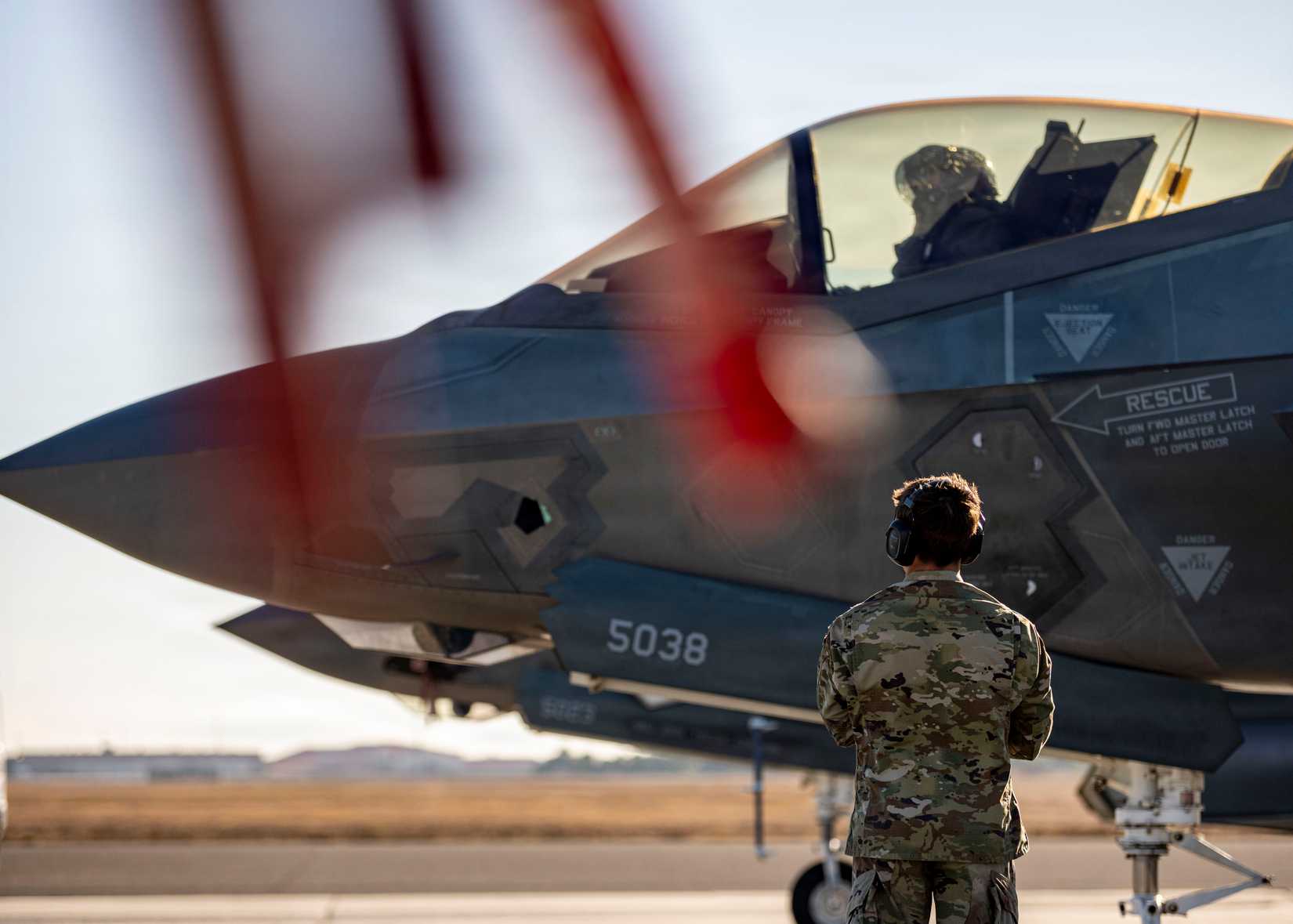
The first documented combat damage to a fifth-generation fighter jet carries significance that will reverberate through doctrine, tactics, and procurement debates well beyond the immediate campaign. An F-35A operating in a high-threat environment on March 19 sustained hits from Iranian ground-based anti-aircraft fire and executed an emergency landing — confirming that low-observable aircraft are not immune to legacy surface-to-air engagement systems when operating in dense, layered defensive environments at close range. The congressional and defense community response to this event is likely to accelerate debates about standoff weapons, escort jamming support, and the operational risk calculus of committing stealth platforms to sustained presence over heavily defended target sets. For operators and crews in both military and adjacent defense-contract aviation environments, the cumulative picture from Operation Epic Fury represents a significant recalibration of assumptions about fleet depth, sortie sustainability, and the speed at which high-end peer adversaries can impose attrition on even technically sophisticated air forces.






 Read original article