Why Flight Attendants Say This Seat Is The Best To Sit In On An Airplane
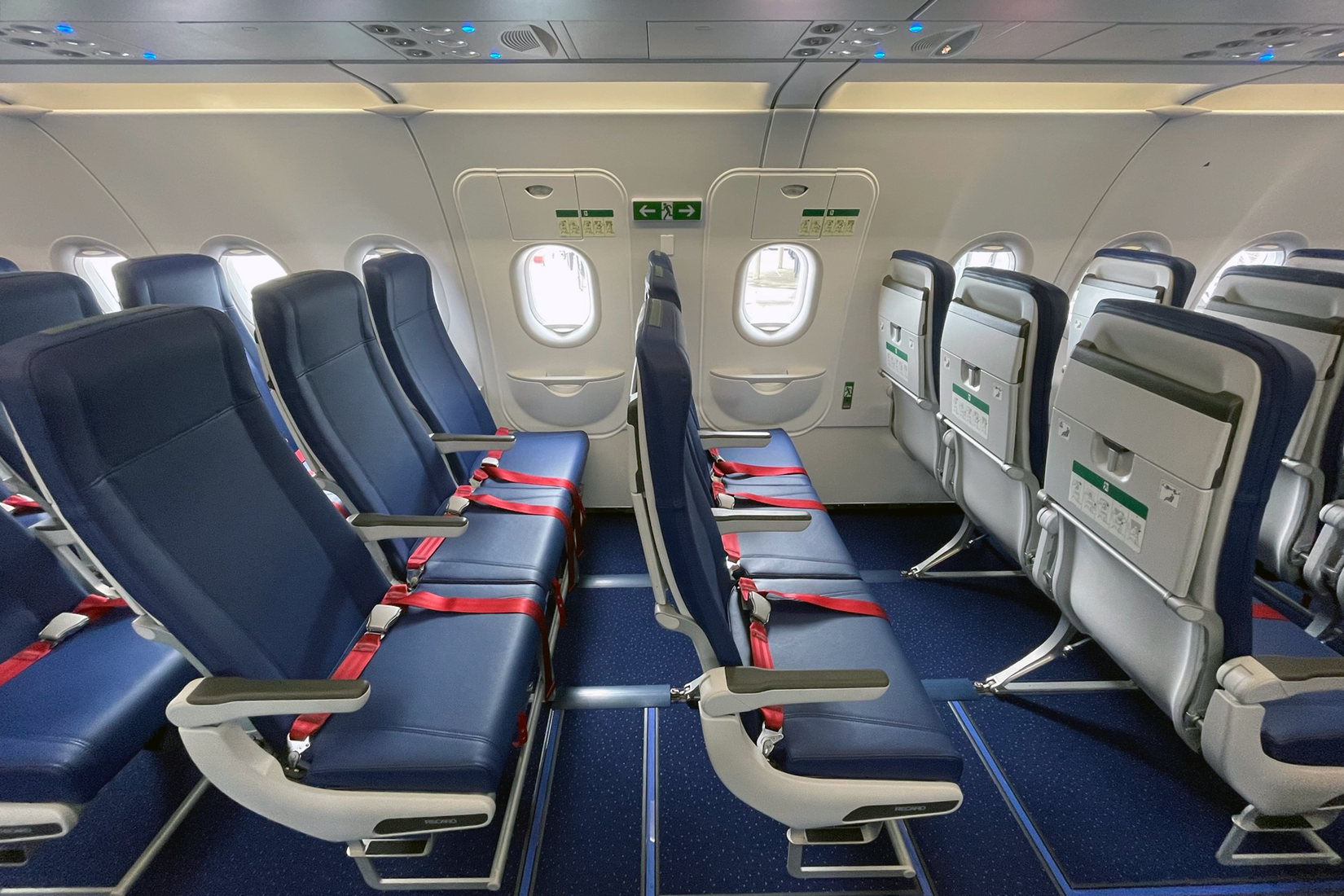
Flight attendant seat preferences, as detailed by a veteran cabin crew professional with over two decades of experience and a postgraduate diploma in Human Factors in Aviation, center on exit row window seats and select front-row economy positions for reasons that extend well beyond simple comfort. The analysis, drawing on firsthand operational knowledge, identifies exit row window seats — such as 21A or 21F on narrowbody aircraft — as preferred for their combination of extra legroom, a structural wall for rest support, reduced aisle traffic noise, and unobstructed views. Front-row economy seats like 6A or 6F are flagged for their marginal additional space and faster egress. The article also highlights strategic rear-cabin seating on less-than-full flights as a way to secure an empty adjacent seat, while noting that service sequencing on long-haul aircraft often begins at both ends of the cabin simultaneously, partially equalizing the traditional front-of-cabin service advantage.
For professional pilots who regularly deadhead, commute on airline iron, or position for charter and fractional operations, these recommendations carry additional operational weight. Unlike leisure passengers, crew members traveling off-duty are frequently fatigued and operating under tight scheduling windows, making seat selection a practical rather than preferential decision. The exit row briefing requirement — passengers must be physically capable, linguistically compatible with the crew, and willing to assist in an evacuation — is a detail that off-duty flight crew are uniquely positioned to satisfy, making exit row assignments both appropriate and strategically advantageous for them. The article's reminder that exit row and forward bulkhead seats do not recline, and that tray tables are mechanically locked against deployment during evacuation, reflects the layered safety engineering that professional aviators understand as part of the broader cabin certification environment.
The article's safety dimension has direct relevance for airline and charter operators focused on cabin resource management and passenger compliance. The conditions governing exit row eligibility — excluding minors, passengers with infants, persons with reduced mobility, and those who cannot communicate with crew — are not discretionary guidelines but regulatory obligations enforced jointly by ground staff and cabin crew. The author notes that flight attendants retain authority to reseat passengers who fail the exit row brief, a point that intersects with ongoing FAA and EASA discussions about standardizing exit row screening protocols, particularly as aircraft seating densities increase and passenger populations age. For Part 135 and Part 91K operators who configure cabin seating on business jets, the underlying principle — that proximity to emergency exits demands specific passenger capability — applies directly to their safety briefing obligations and seating assignment practices.
Broader trends in commercial aviation seat design amplify the article's core tension between densification and passenger welfare. Legacy carriers and ultra-low-cost carriers alike have reduced seat pitch in economy configurations to sub-30-inch dimensions on some aircraft, a trend that has prompted regulatory scrutiny including the FAA Reauthorization Act of 2024's directive to establish minimum seat size standards. Business aviation, by contrast, has moved in the opposite direction, with cabin configurations on large-cabin jets increasingly emphasizing flat-bed capability, dedicated work surfaces, and privacy dividers — features that mirror the exit row window seat's appeal at a substantially higher price point. The flight attendant preference data presented here implicitly quantifies what the market already reflects: legroom, structural support for rest, and reduced foot traffic are the variables passengers most value, and the industry's tiered pricing for premium economy and exit row seating is a direct monetization of those preferences.
For corporate flight departments operating under Part 91 or 91K, the article serves as a useful lens on passenger expectation management. High-net-worth principals and executive travelers who primarily use business aviation are accustomed to cabin configurations that render the exit row and bulkhead trade-offs largely irrelevant, but those same passengers occasionally travel on commercial carriers and may seek guidance from flight department staff on seat selection. Understanding the cabin crew rationale behind seat recommendations — rooted in safety architecture, service sequencing, and human factors rather than mere comfort preference — equips aviation professionals to provide informed, operationally grounded advice that reinforces their role as trusted safety resources both in the air and on the ground.






 Read original article