From 180 F-35s To 400 Next-Gen Fighters: How Much Larger Europe's Air Power Could Get
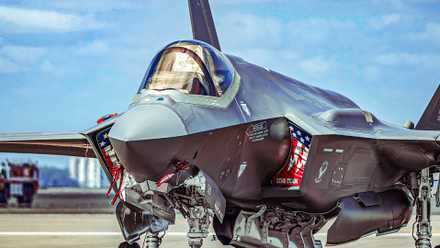
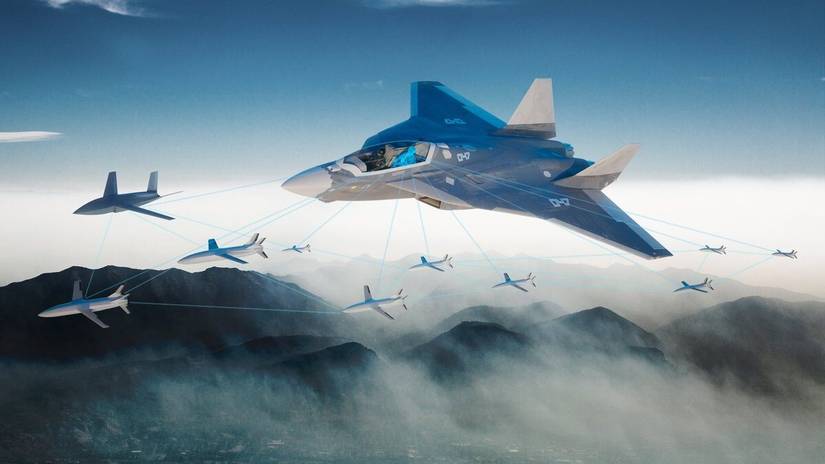
Europe's two competing sixth-generation fighter programs — the Global Combat Air Program (GCAP) led by the United Kingdom, Italy, and Japan, and the Future Combat Air System (FCAS) pursued by France, Germany, and Spain — represent the most significant restructuring of Western air power since the Cold War. With approximately 180 F-35s delivered against 668 European orders, and growing operator concerns over software autonomy, sustainment costs, and the politically sensitive question of an American-controlled "kill switch," several European nations are actively reducing or abandoning their F-35 commitments in favor of waiting for indigenous sixth-generation platforms. The projected force structure — more than 400 next-generation crewed fighters complemented by as many as 2,000 loyal wingman drones — would represent a qualitative and quantitative leap beyond anything currently fielded on the continent.
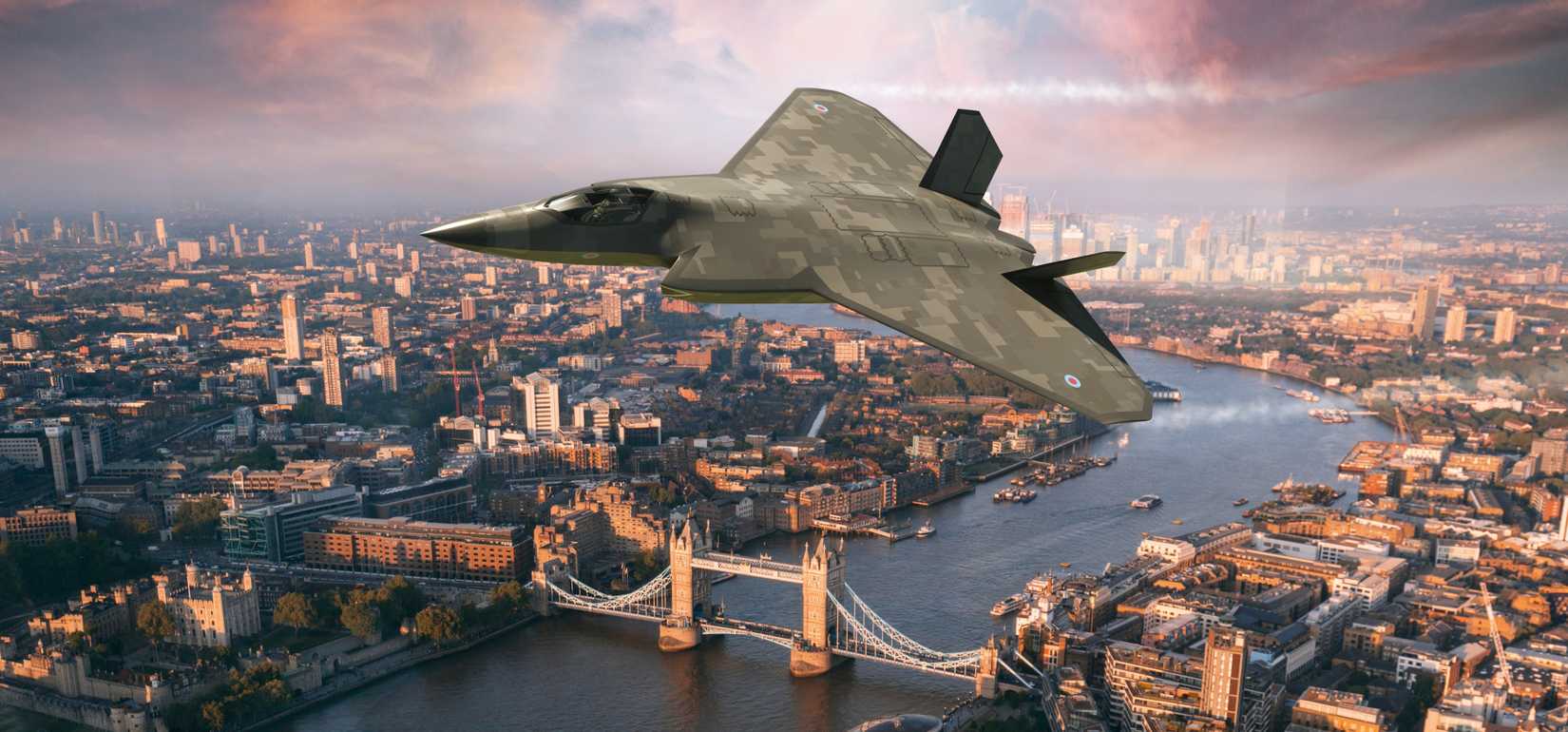
GCAP is the more structurally mature of the two programs, having recently awarded a £686 million design and development contract to Edgewing, a trinational joint venture equally divided among BAE Systems, Leonardo, and Japan Aircraft Industrial Enhancement Company. The program's first supersonic technology demonstrator is scheduled to fly in 2027, with production aircraft targeted for service entry by 2035. The GCAP design philosophy diverges meaningfully from the American approach embodied in the Boeing F-47: rather than prioritizing passive stealth through airframe shaping alone, GCAP will pursue active signature management through advanced electronic warfare, while Leonardo develops a radar capable of processing 10,000 times more data than legacy fighters. A high-power generation engine designed to produce megawatts of electrical output positions the platform as a future host for directed energy weapons — a capability that would represent a generational shift in air combat lethality.
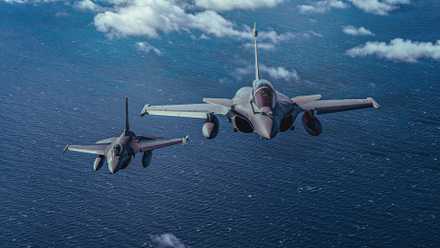
By contrast, the FCAS program remains deadlocked over a fundamental corporate dispute between Dassault Aviation and Airbus concerning intellectual property and workshare for the crewed New Generation Fighter element. Unlike GCAP, which created a clean joint venture with equal equity distribution, FCAS has failed to establish a unified governance structure, leaving the program in a demonstrator phase with no clear path to full-scale development. The practical consequence is that France, Germany, and Spain face a widening capability gap: aging Rafales and Eurotyphoons will continue to serve as the primary combat aircraft for these air forces well into the 2040s unless the political and industrial impasse is resolved. The failure of FCAS to advance also strengthens GCAP's export position, as potential customers seeking a European alternative to the F-35 have an increasingly clear choice.
For the broader aviation industry, these programs carry significant downstream implications. The open-architecture design philosophy built into GCAP is a direct commercial response to the sovereignty concerns that have made F-35 operators — including several NATO allies — uncomfortable with the level of American control over maintenance, software updates, and operational permissions. This architecture mirrors a trend already visible in commercial and business aviation, where operators increasingly demand vendor-agnostic avionics stacks and open connectivity standards to reduce platform lock-in and sustainment risk. The parallel development of 2,000 autonomous loyal wingman drones alongside crewed platforms also reflects a broader industry consensus that future airspace — military or otherwise — will be managed through human-machine teaming rather than purely crewed operations, a dynamic already manifesting in UAM corridors and advanced air mobility planning across Europe and North America.
The trajectory of both programs also underscores the extent to which geopolitical instability, particularly the sustained conflict in Ukraine and associated NATO rearmament pressure, has accelerated defense procurement timelines that would otherwise have moved on decade-long cycles. European defense budgets are expanding at rates not seen since the 1980s, and the industrial capacity being built around GCAP and FCAS — manufacturing, sustainment, advanced materials, and directed energy — will create workforce and infrastructure demand that intersects with the broader aerospace sector. For aviation professionals tracking the long-term landscape of the industry, the emergence of viable European sixth-generation programs signals that the next twenty years of aerospace development will be driven as much by European and Indo-Pacific investment as by the traditional American prime contractors that have dominated the sector since World War II.







 Read original article