The World's Largest Air Forces By Number Of Attack Helicopters
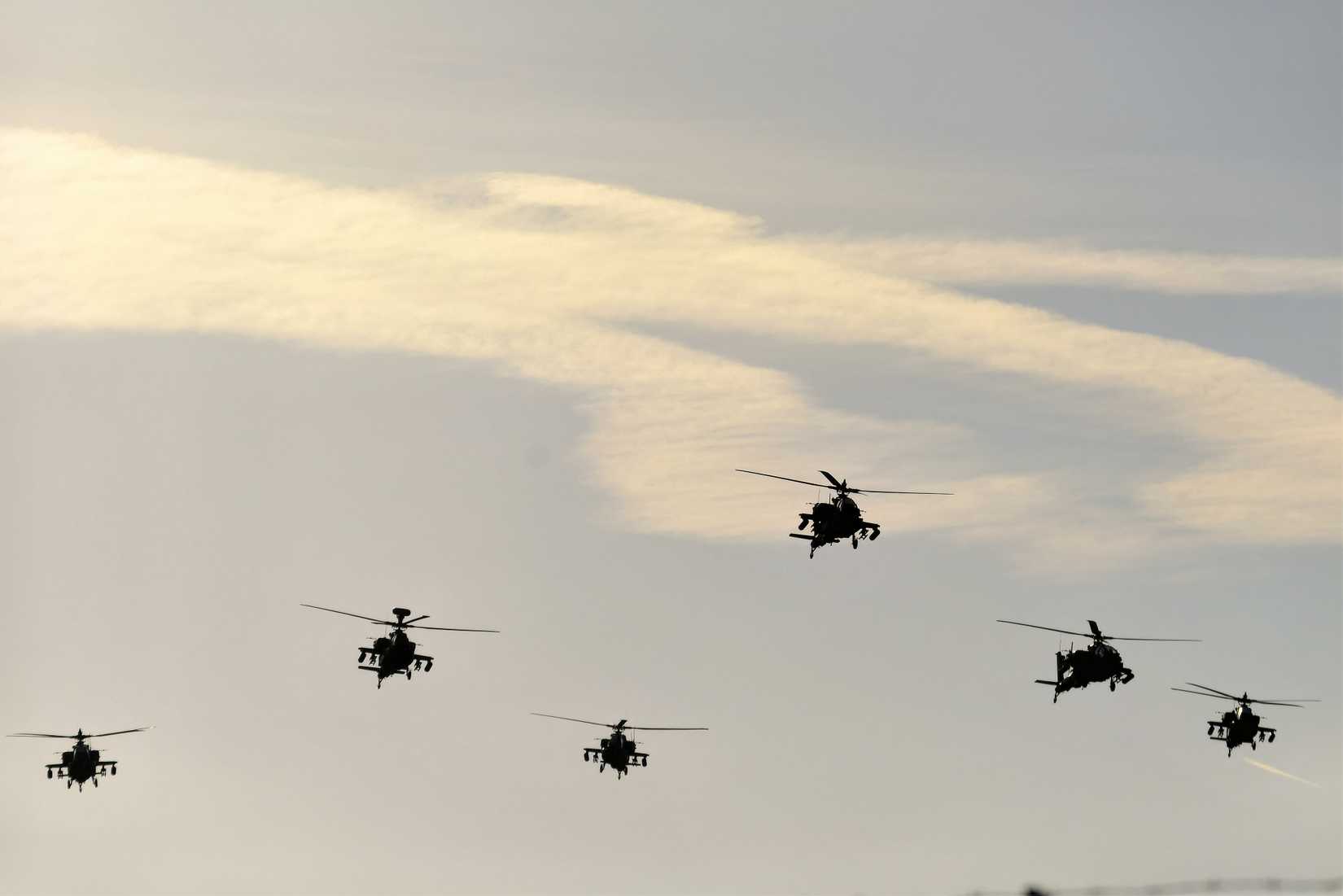
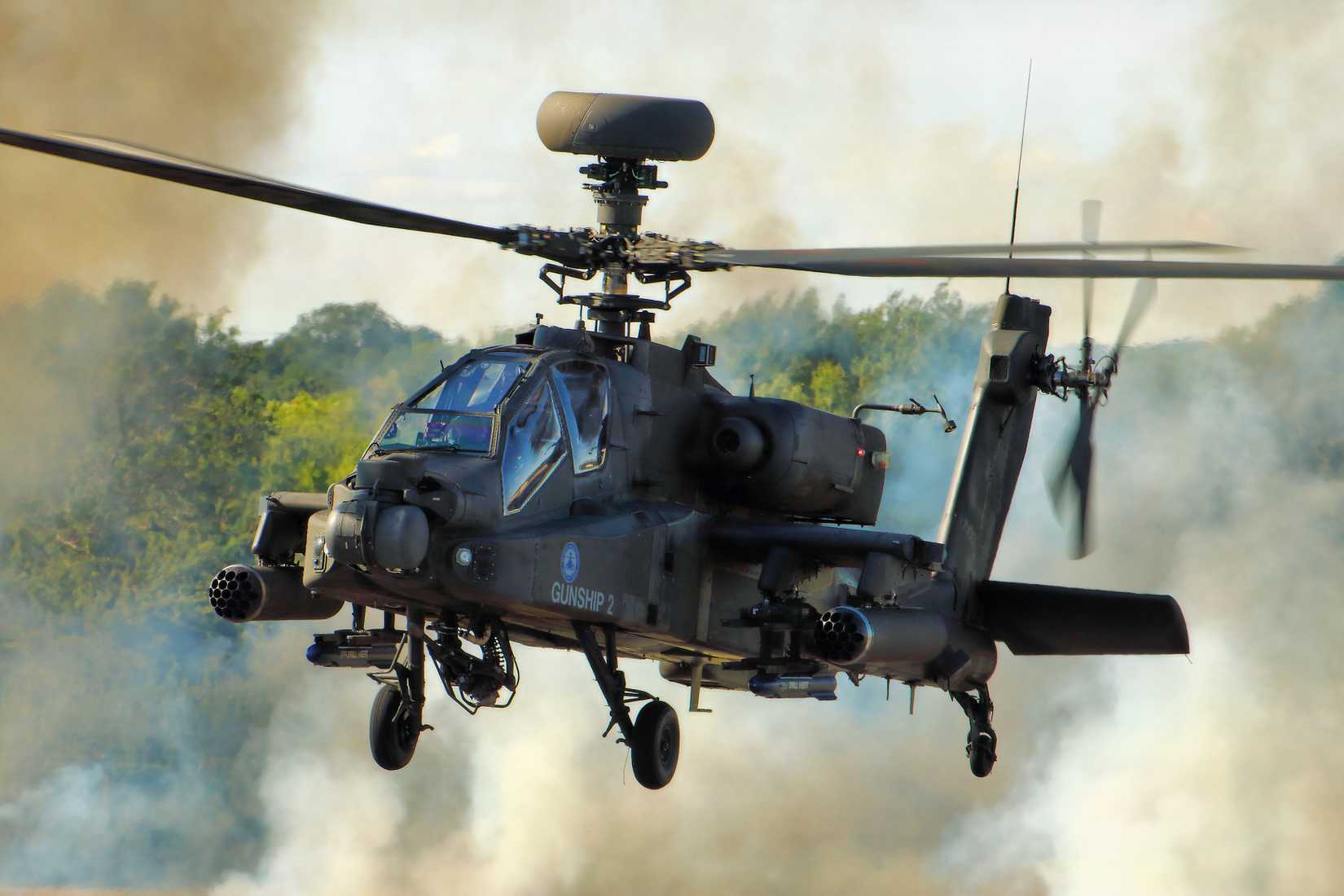
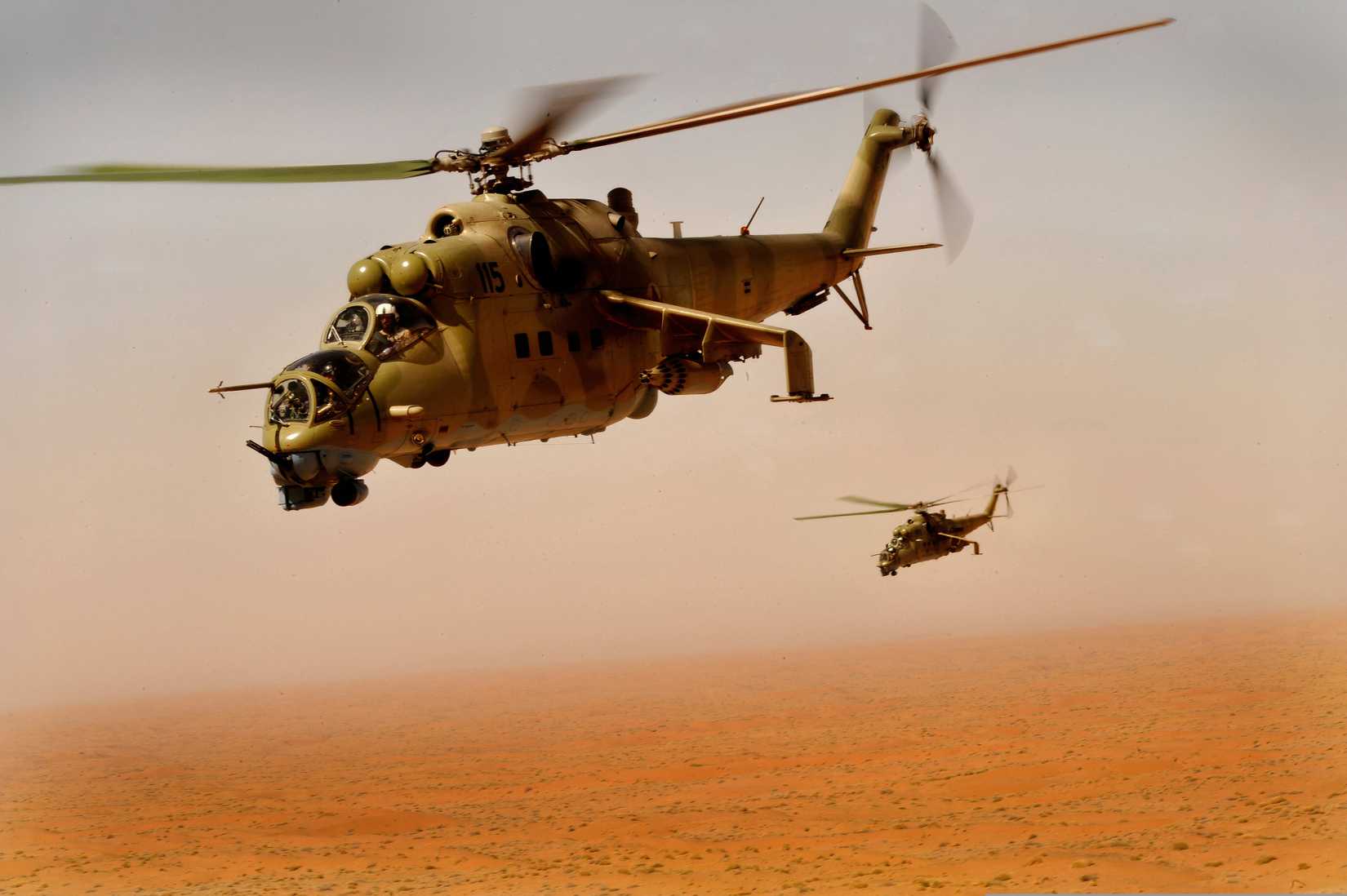
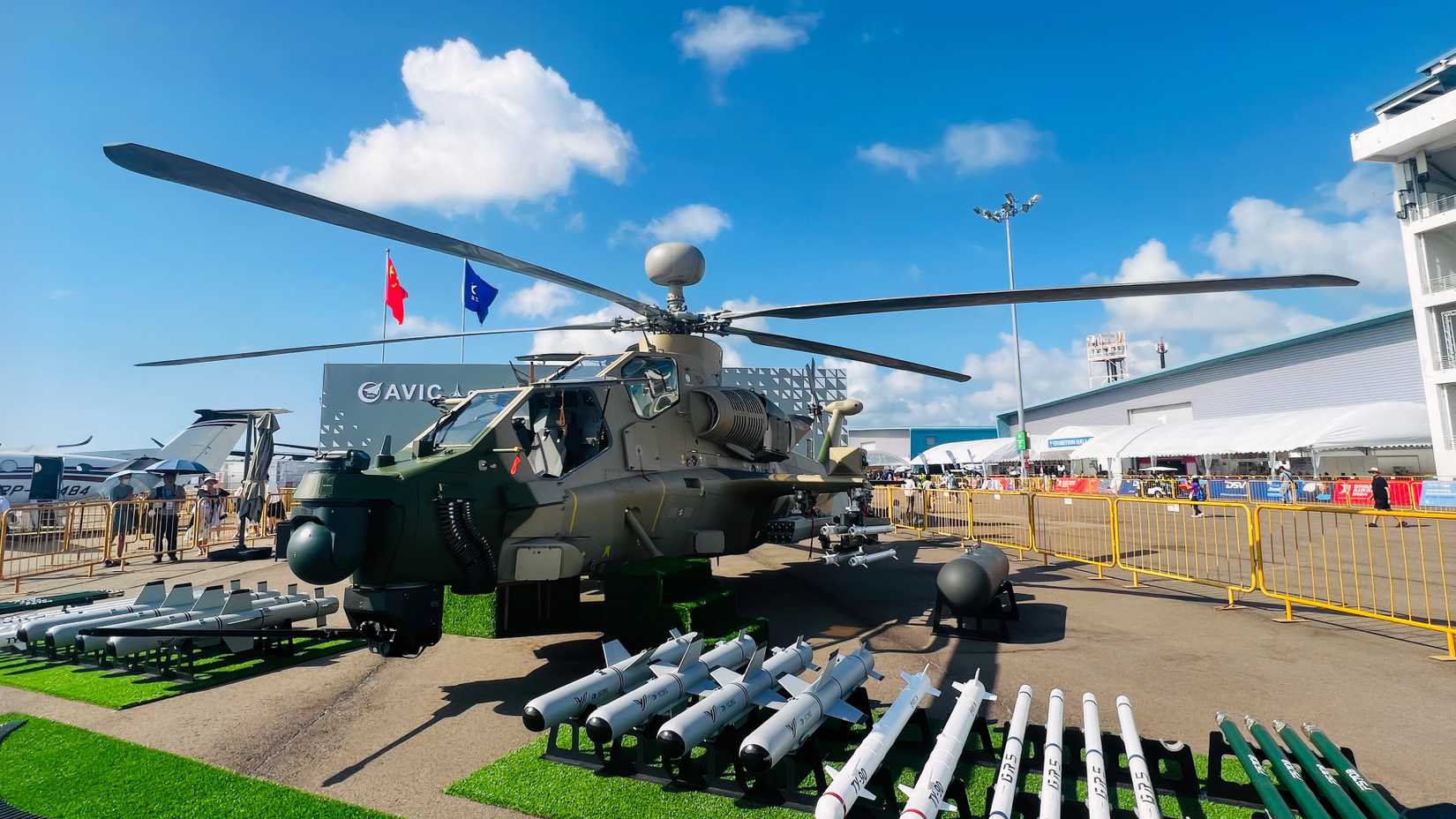
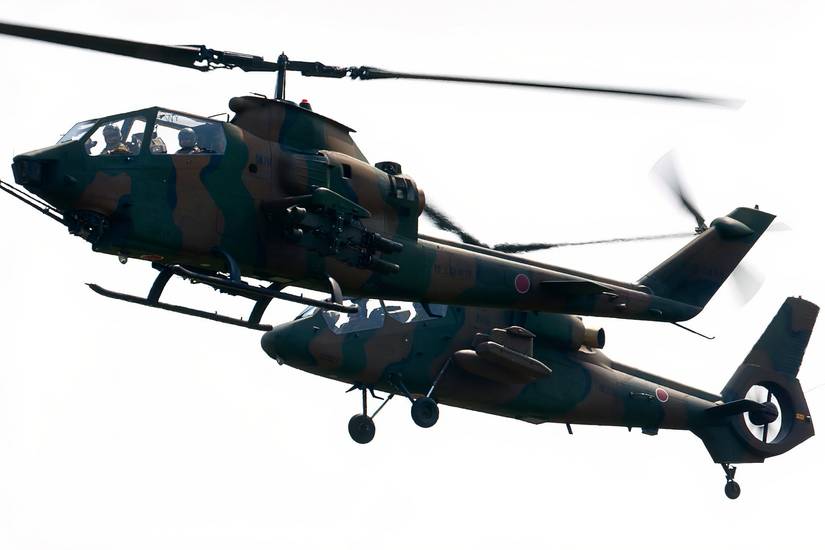
Attack helicopters represent one of the most consequential categories of military aviation, and the global distribution of these platforms reflects both strategic doctrine and defense investment priorities across the world's major military powers. The United States leads all nations with approximately 900 attack helicopters split between the Army and Marine Corps, with the Boeing AH-64 Apache accounting for roughly 824 of those airframes. Russia maintains the second-largest fleet at around 576 aircraft, anchored by the Mi-24 and Mi-35 families that were purpose-built during the Cold War to support armored breakthroughs against NATO forces in Europe. China's People's Liberation Army operates approximately 200 Harbin Z-10 attack helicopters, a platform that emerged directly from the PLA's sweeping post-Gulf War modernization effort. Japan and South Korea round out the top tier, operating combined fleets of roughly 230 aircraft between them, predominantly Bell AH-1 Cobras supplemented by Apaches, configured primarily for defensive and peninsula-security roles respectively.
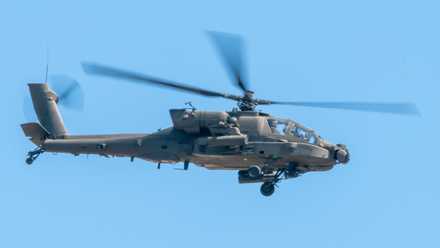
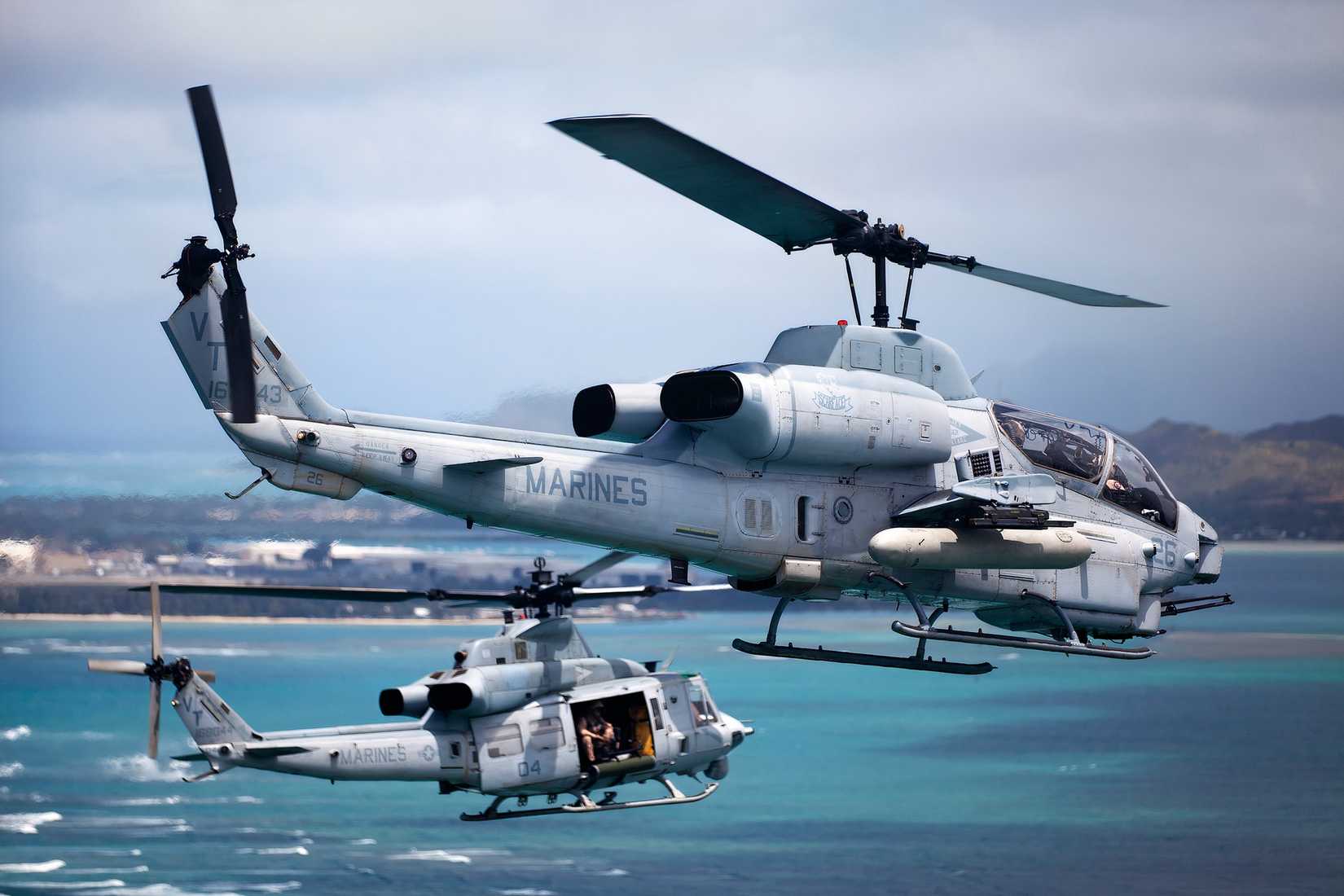
The lineage of the modern attack helicopter traces directly to the Vietnam War, where the Bell AH-1 Cobra entered service in 1967 as a lighter, more survivable alternative to armed UH-1 Huey gunships that proved vulnerable to ground fire during troop support missions. The Apache followed as the next evolutionary step, entering US Army service in 1986 — the article's stated 1976 date appears to be a typographical error — and brought with it a purpose-built night-fighting capability, advanced sensor integration, and wing-mounted AGM-114 Hellfire missiles optimized for tank destruction. Approximately 2,500 Apaches have been manufactured to date, with Boeing reporting 1,300 currently in service across 19 nations, a commercial and strategic footprint that underscores the platform's enduring relevance across multiple generations of warfare. The Apache's dominance of the US fleet and its widespread export adoption reflects a sustained American commitment to rotary-wing close air support as a core combined-arms capability.
For professional pilots operating in the civil and business aviation sectors, the global attack helicopter landscape carries meaningful indirect relevance. Military rotorcraft programs represent the principal driver of advanced avionics, rotor system, and propulsion technology that routinely migrates into civilian and corporate platforms over time. Night-vision systems, terrain-following sensors, digital autopilot integration, and crashworthy fuel systems that are now standard features in high-end business helicopters and turbine trainers all trace developmental roots to military attack helicopter requirements. The sheer scale of procurement — the US Army alone operating more than 800 Apaches — sustains an industrial base that keeps manufacturers like Boeing, Bell, and their supply chains capable of supporting innovation cycles that benefit the broader rotorcraft market.
The geopolitical dimension of this data is equally significant for operators and flight departments tracking airspace risk and international operations planning. China's deliberate investment in the Z-10 following its observation of American precision warfare doctrine in 1991 signals a calculated capability-building trajectory that analysts now assess as increasingly mature. Russia's large Mi-24/Mi-35 inventory, while aging, has seen sustained operational use in Syria, Ukraine, and across African proxy engagements, providing real-world data on rotary-wing survivability in contested airspace. For crews and operators flying international routes into regions with active or latent conflicts — parts of the Middle East, Sub-Saharan Africa, and the Indo-Pacific — situational awareness about the attack helicopter inventories of regional actors informs threat environment assessments and overflight risk analysis in ways that extend well beyond purely military audiences.






 Read original article