How A Sub-30-Minute Turn Time Makes A First Class Cabin Uneconomic For Southwest Airlines
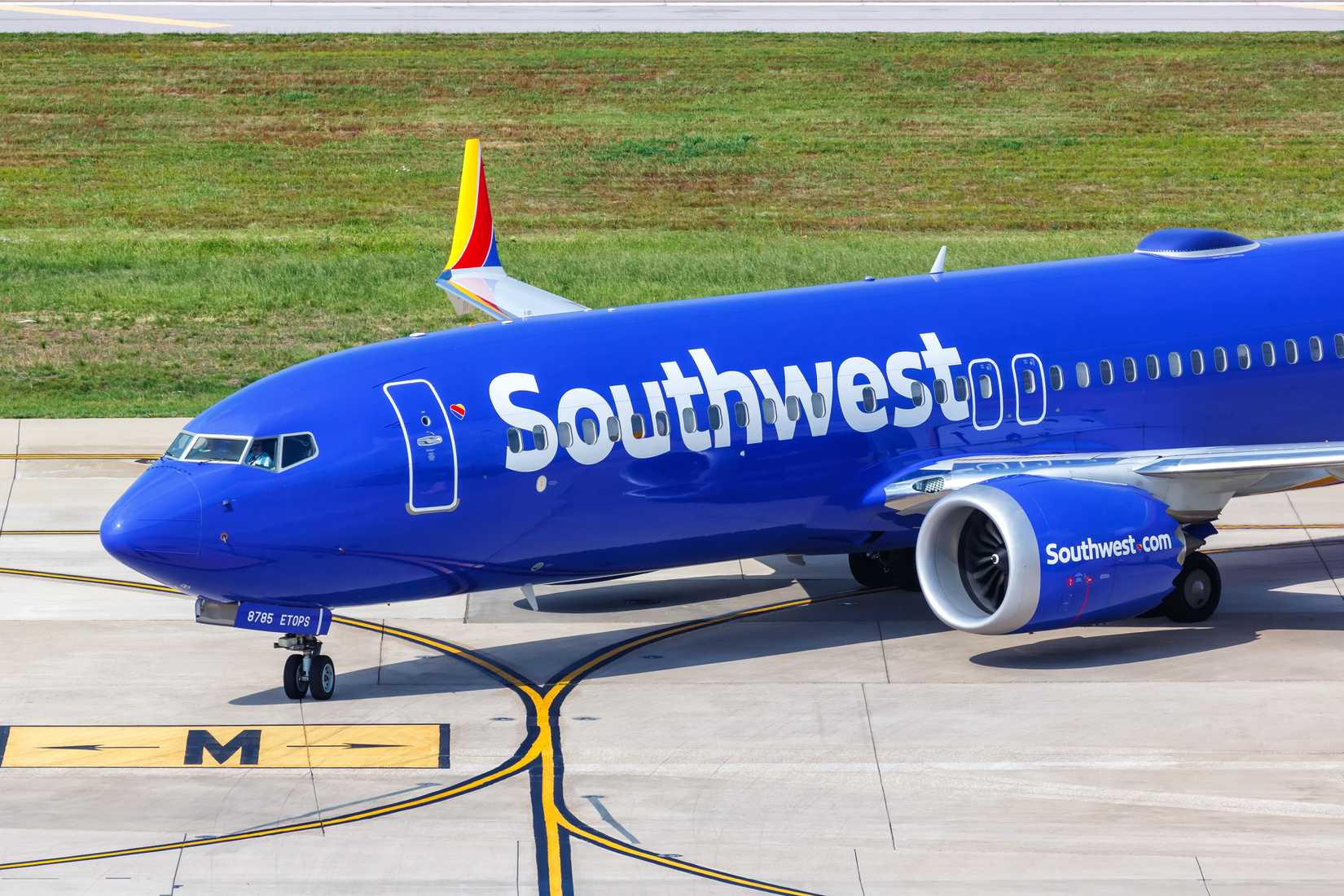
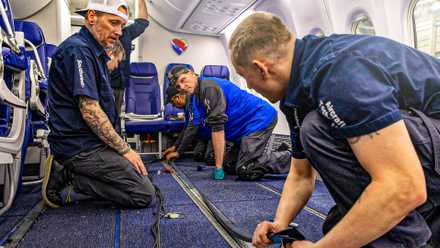
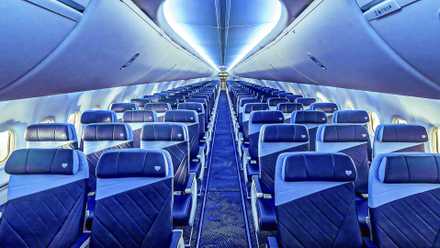
Southwest Airlines' rejection of a dedicated first-class cabin reflects a deliberate and mathematically defensible operating philosophy rather than a failure to recognize premium revenue opportunities. Despite completing one of the most significant commercial transformations in its modern history — replacing open seating with assigned seating and introducing Extra Legroom zones on January 27, 2026 — the carrier chose to generate incremental revenue through seat differentiation without altering the fundamental single-cabin layout of its Boeing 737 fleet. Standard rows retain approximately 31 inches of pitch while Extra Legroom positions offer 34 to 38 inches, yet both maintain the same 3-3 six-abreast configuration. That distinction is operationally meaningful: Southwest extracted additional yield from the cabin without introducing the structural complexity that a true premium product would demand.
The economic argument against first class at Southwest centers on aircraft utilization, not passenger preference. The airline's sub-30-minute turn times represent a carefully engineered system in which every ground process — deplaning, cabin cleaning, catering, boarding, baggage, and fueling — occurs in tight, overlapping sequence. A genuine first-class cabin disrupts nearly every one of those steps. Premium catering requires dedicated inventory management and additional load procedures. Wider seats with larger recline mechanisms slow cleaning cycles. Multiple boarding group coordination introduces friction that compounds across dozens of daily turns. Legacy carriers absorb these inefficiencies because premium-cabin revenue per seat can be three to five times that of a main-cabin ticket, justifying the slower ground operations. Southwest's model inverts that calculus: the airline's profitability depends on flying more segments per aircraft per day, not on extracting more revenue from fewer, slower-turned aircraft.
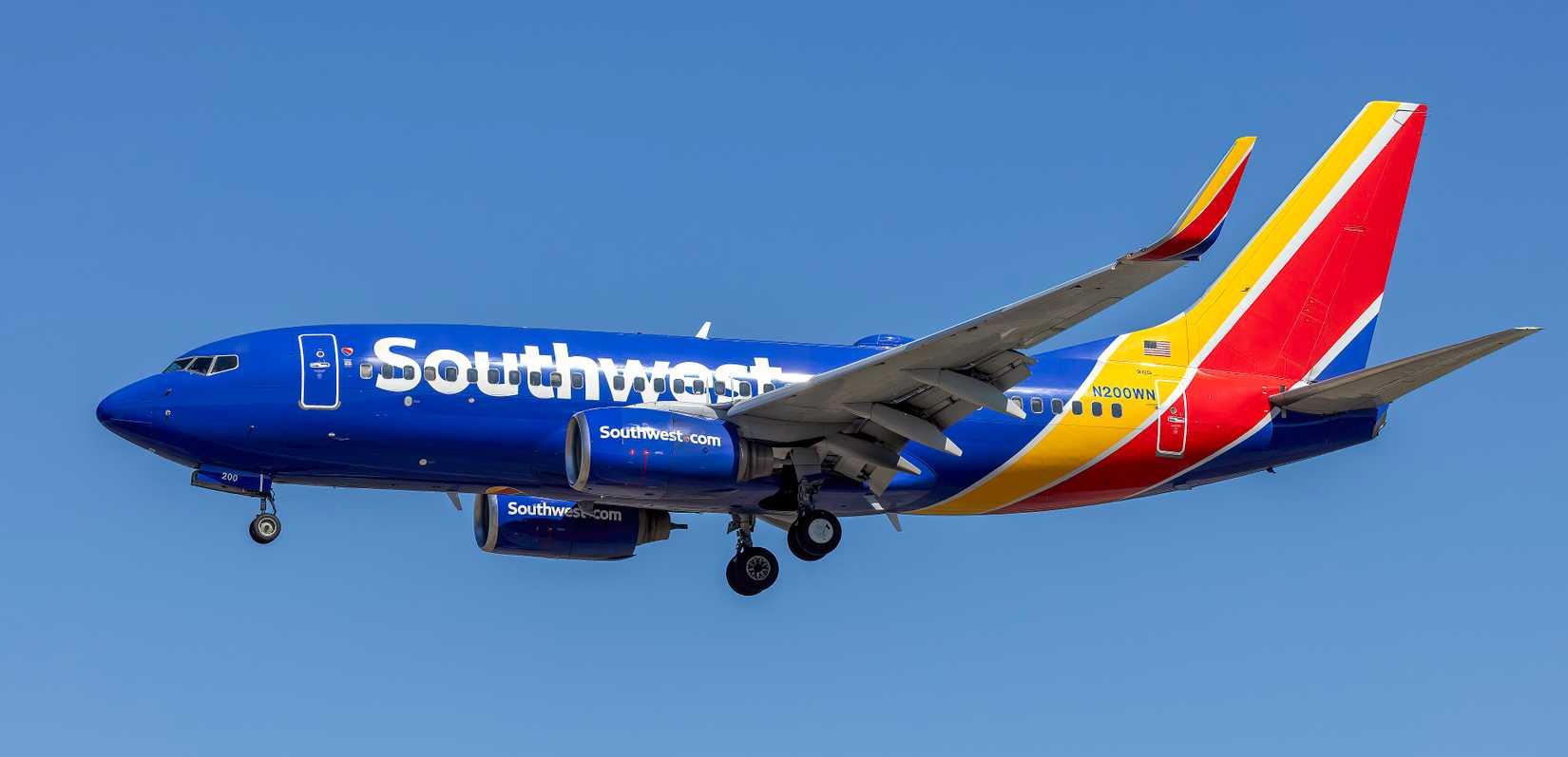
For professional pilots and aviation operators, the Southwest case illustrates a broader principle about fleet and operational architecture that applies well beyond the low-cost carrier context. The all-737 standardization Southwest maintains — enabling flexible crew scheduling, streamlined maintenance, and interchangeable spare parts — is structurally analogous to the single-type or limited-type fleet strategies favored by many Part 91K and charter operators seeking to reduce overhead and maximize aircraft availability. Any modification that degrades turn efficiency, whether a premium galley installation, a dedicated forward lav, or a complex seat mechanism requiring maintenance attention, carries a real cost that must be weighed against revenue potential. Southwest's model makes that trade-off visible in starker terms than most, but the underlying logic is universal.
The broader industry context positions Southwest's decision as a contrarian posture against a well-documented trend. Delta, United, and American have all invested aggressively in premium cabin products — lie-flat domestic first class on certain routes, Polaris and Flagship configurations on transcontinental and international services — because high-yield travelers have increasingly driven margin performance even when load factors soften. Business aviation operators have observed parallel demand dynamics, with fractional and charter providers reporting sustained interest in larger-cabin aircraft despite economic headwinds. Southwest is effectively betting that a segment of the traveling public still values frequency, reliability, and low base fares over onboard luxury, and that operational simplicity will remain a more durable competitive advantage than product differentiation. The assigned seating transition suggests the carrier is not philosophically opposed to revenue segmentation, but it is drawing a precise line at the point where segmentation would compromise the ground operation that makes every other part of the model function.












 Read original article