How Airbus Engineered The A321XLR's Belly Tank To Survive A Crash Landing Without Rupturing
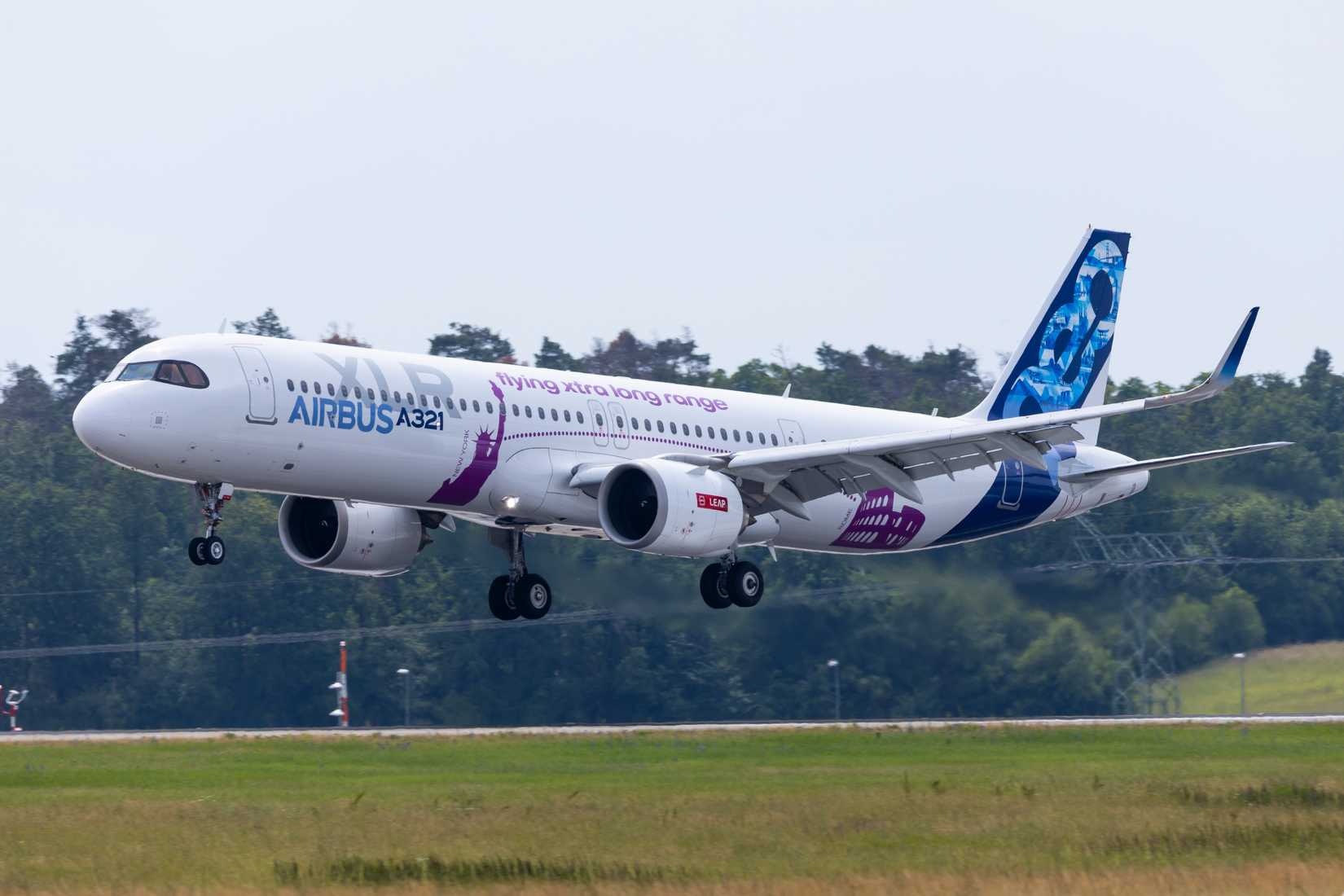
The Airbus A321XLR's Rear Center Tank represents a fundamental departure from how narrowbody aircraft have stored fuel since the category's inception, and the certification battle surrounding it produced engineering requirements that will define structural standards for the next generation of fuel-efficient long-range aircraft. Unlike wing tanks, which sit high on the airframe and benefit from natural separation from ground impact forces, the RCT is a permanent 3,407-gallon structural component integrated into the lower fuselage aft of the main landing gear. Airbus made the tank a load-bearing element of the fuselage itself rather than a bolt-in container, reducing weight penalty while enabling the 4,700-nautical-mile range that allows routes like Madrid–Boston or London–Denver on a single-aisle platform. That range extension closes a significant portion of the gap between what the A321neo family could previously achieve and what widebody operations had historically required, pushing narrowbody economics into route structures that airlines had long treated as widebody-only territory.
Both EASA and the FAA determined that existing CS-25 airworthiness standards were structurally silent on a fuel tank in this position, because no certificated transport category narrowbody had previously placed fuel there. The regulators issued Special Conditions requiring Airbus to demonstrate crash survivability, fire containment, and occupant protection at a standard equivalent to what the existing rules would have demanded had they anticipated the configuration. The FAA's requirement was specific and quantifiable: the lower fuselage spanning the tank zone must resist fire penetration for a minimum of five minutes, the recognized benchmark for enabling full passenger evacuation. Airbus met those conditions through material substitution and structural reinforcement, replacing standard aluminum lower fuselage skin with fiber-metal laminate possessing fire-retardant properties, and constructing the tank itself from aluminum-lithium alloy chosen for superior strength-to-weight characteristics. Boeing's 2021 public challenge to the design reached both regulators and amplified scrutiny, and while the competitive dimension of that intervention is openly debated within the industry, both agencies ultimately concurred that Boeing's technical framing of the problem was correct, even if the conclusions differed on solvability.
For airline and charter operators evaluating the A321XLR as a fleet asset, the RCT's certification outcome carries direct operational relevance beyond range figures. The Special Conditions process established that the aircraft meets a demonstrably higher evidentiary bar than standard certification, which affects how operators should frame the aircraft in safety management system documentation and crew training contexts. Flight crews operating the XLR will be managing a fuel system with a structurally integrated aft centerline tank that behaves differently from the removable auxiliary tanks used on A321LR operators' current fleets, particularly in fuel loading sequencing, CG management across long oceanic sectors, and abnormal procedure logic should the RCT develop a fuel quantity or transfer anomaly over water. The aircraft's dispatch and minimum equipment list considerations related to the RCT will also differ from those governing the A321LR's cargo-hold auxiliary tanks, requiring operators to invest in type-differentiated technical training rather than treating the XLR as a straightforward variant upgrade.
The broader significance of the RCT certification extends into how aviation authorities will handle novel structural fuel integration in future programs. As manufacturers push range boundaries on narrowbody and regional jet platforms to reduce trip costs and expand point-to-point connectivity without widebody economics, the pressure to place fuel in non-traditional locations will intensify. The A321XLR case established a regulatory precedent: when a novel fuel system design falls outside existing standards, regulators will issue Special Conditions rather than stretch existing rules to accommodate the design, and those conditions will include quantified performance floors rather than general equivalency language. That precedent will shape how Airbus, Boeing, and emerging manufacturers from China and elsewhere structure their certification submissions for next-generation platforms. For operators in Part 91K and Part 135 business aviation contexts who may eventually operate aircraft influenced by this design philosophy, understanding that the regulatory framework itself is evolving in response to range-extension engineering is foundational to anticipating future airworthiness directive exposure, maintenance program requirements, and operational approval timelines.








 Read original article