How The CIA Secretly Bought Soviet Titanium To Build The SR-71 Blackbird
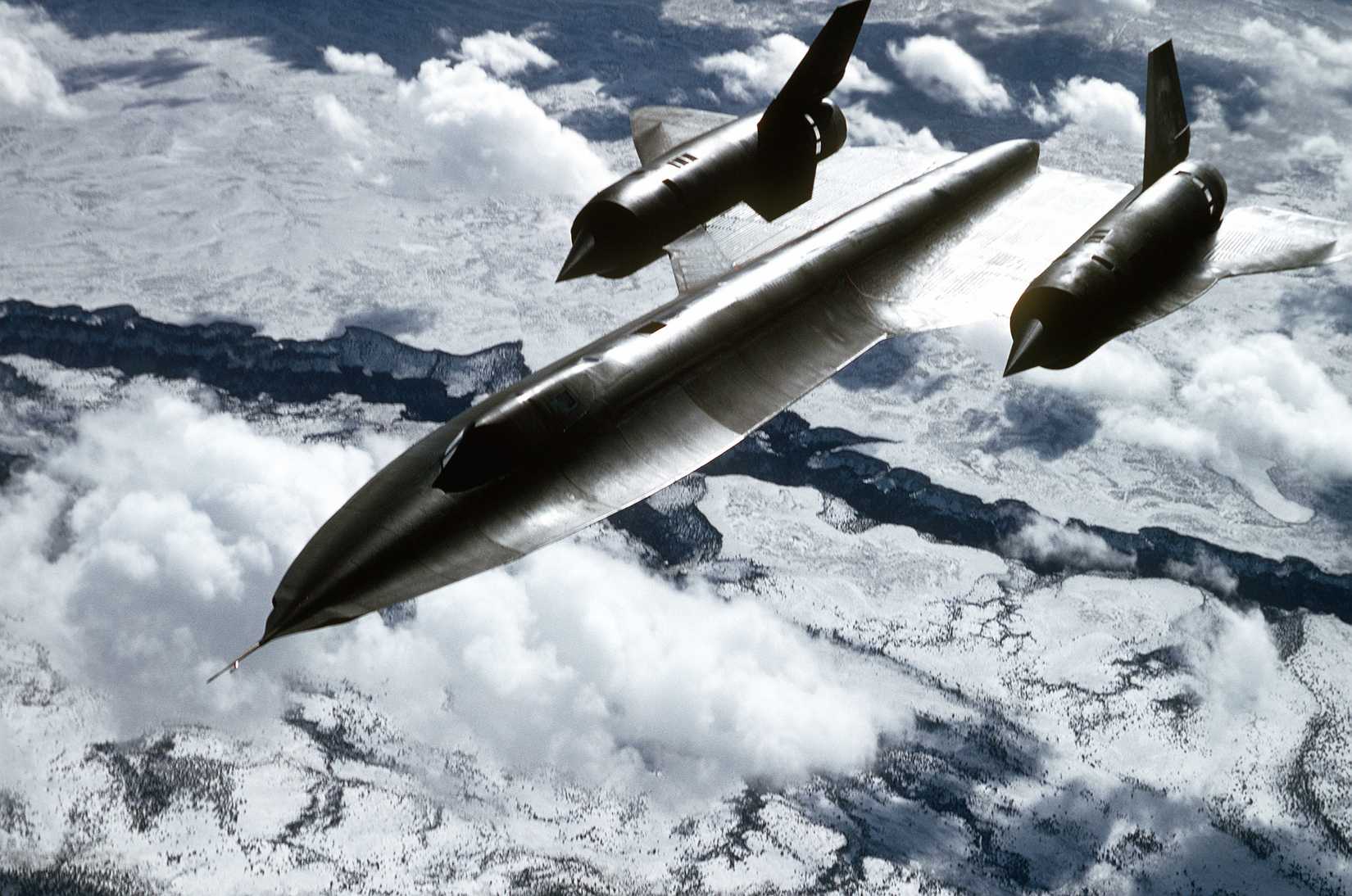
The SR-71 Blackbird's development required the CIA to execute one of the most elaborate supply chain deceptions in Cold War history, procuring the very material the aircraft needed from the nation it was designed to surveil. Because aluminum loses structural integrity at the sustained Mach 3 speeds the aircraft was designed to achieve, Lockheed's Skunk Works team under Kelly Johnson determined that titanium — comprising more than 90 percent of the airframe — was the only viable construction material. The Soviet Union held the world's largest accessible reserves of rutile ore, the raw feedstock for aerospace-grade titanium, which forced the CIA to establish a network of at least five shell corporations across neutral nations including Sweden and Switzerland to purchase and route the material without triggering Soviet or domestic suspicion. Cover stories ranged from commercial pizza oven fabrication to textile machinery and agricultural silos, all of which exploited legitimate dual-use export classifications that Soviet trade inspectors routinely approved. Shipments frequently changed legal ownership four or more times while cargo vessels were still at sea, rendering the paper trail effectively untraceable back to the U.S. government.
The operational success of the procurement scheme depended heavily on exploiting structural weaknesses in the Soviet command economy. Soviet mining operations in regions such as Zaporizhzhia were incentivized to sell surplus rutile ore on the open market to generate hard Western currency, a chronic need during the economic stagnation of the 1960s. The CIA calibrated its purchasing volumes to mirror those natural surplus fluctuations, ensuring that no single order appeared anomalous against the broader pattern of global commodity trading. Soviet export bureaucrats, according to accounts from SR-71 pilot Colonel Rich Graham, were further disarmed by ideological assumptions about American consumer culture — the notion that demand for large-scale commercial food processing equipment was entirely consistent with Western habits. The deception worked not because it was technically impenetrable, but because it was designed to align with the institutional incentives, bureaucratic inertia, and cognitive biases of the adversary processing the transactions.
For aviation professionals, the story carries significant operational and historical weight. The SR-71 that resulted from this effort remains unmatched in sustained operational performance by any crewed aircraft, having set an absolute speed record of Mach 3.3 and an altitude record exceeding 85,000 feet during its service life. Airframe skin temperatures exceeding 600 degrees Fahrenheit demanded not only exotic materials but entirely new manufacturing and handling protocols — titanium tools, specialized lubricants, and fasteners that were machined undersize at room temperature to achieve correct tolerances at cruise heat. The aircraft's operational history directly shaped modern high-speed aerodynamics, thermal management systems, and inlet design principles that continue to inform propulsion and airframe engineering on contemporary high-performance platforms.
The broader significance of the SR-71 titanium procurement operation lies in what it reveals about the intersection of geopolitics, supply chain strategy, and aerospace capability. The dependence on a single foreign adversary for a mission-critical material represents a vulnerability that defense planners and aviation manufacturers still grapple with today in the context of rare earth elements, specialty alloys, and advanced composites largely sourced from China. The commercial aviation industry faces analogous supply chain concentration risks, particularly for titanium forgings used in turbine components, structural frames, and landing gear on aircraft such as the Boeing 787 and Airbus A350. Russia's invasion of Ukraine — which disrupted titanium exports from the Zaporizhzhia region specifically — forced major airframers to rapidly diversify suppliers, a challenge that mirrors, in a non-classified context, precisely the kind of strategic vulnerability the CIA was managing covertly six decades earlier. The Blackbird program's procurement solution was a product of its era, but the underlying problem it solved has never gone away.










 Read original article