How This Airline Made Transatlantic Low-Cost Flights Work
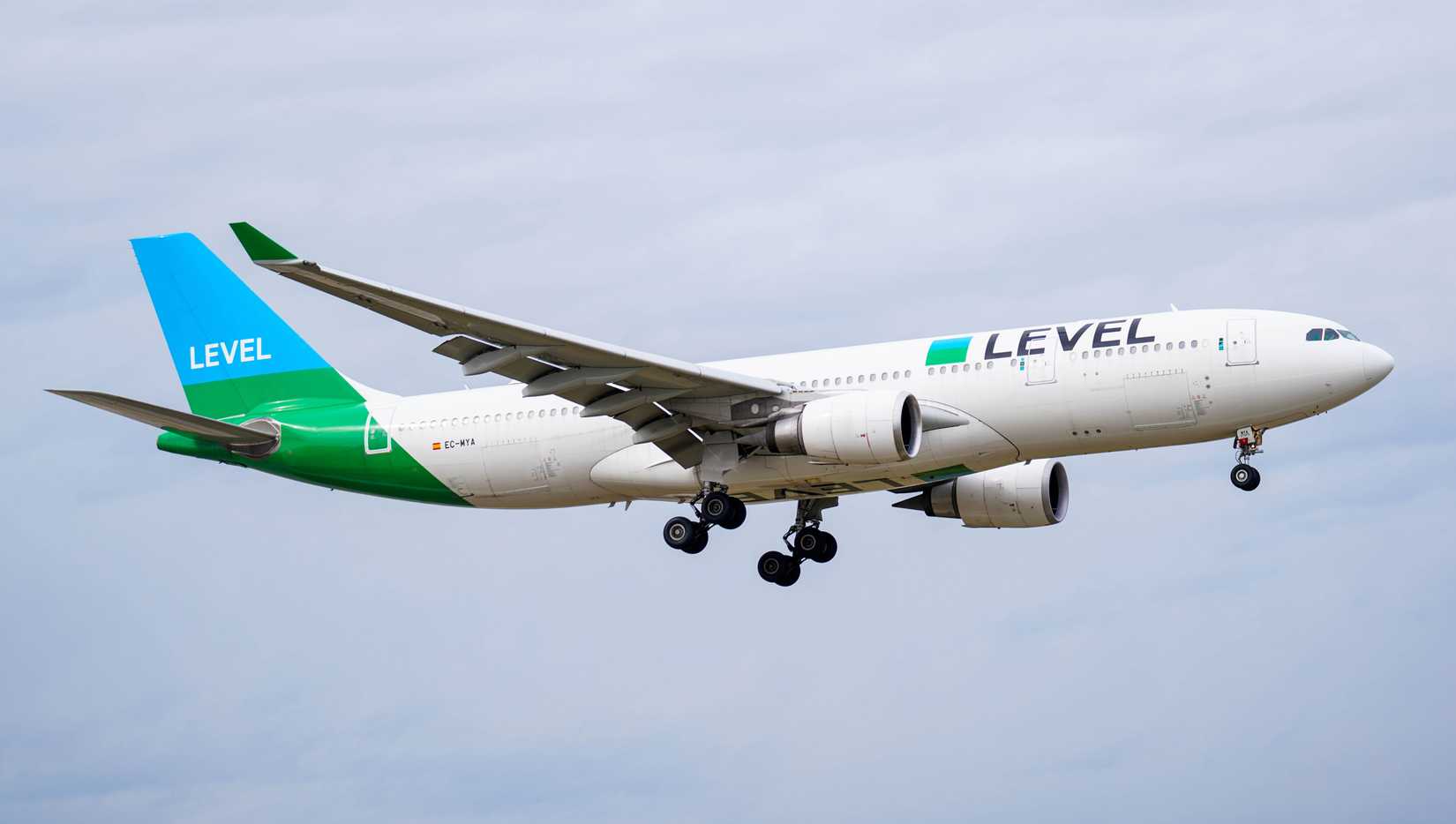
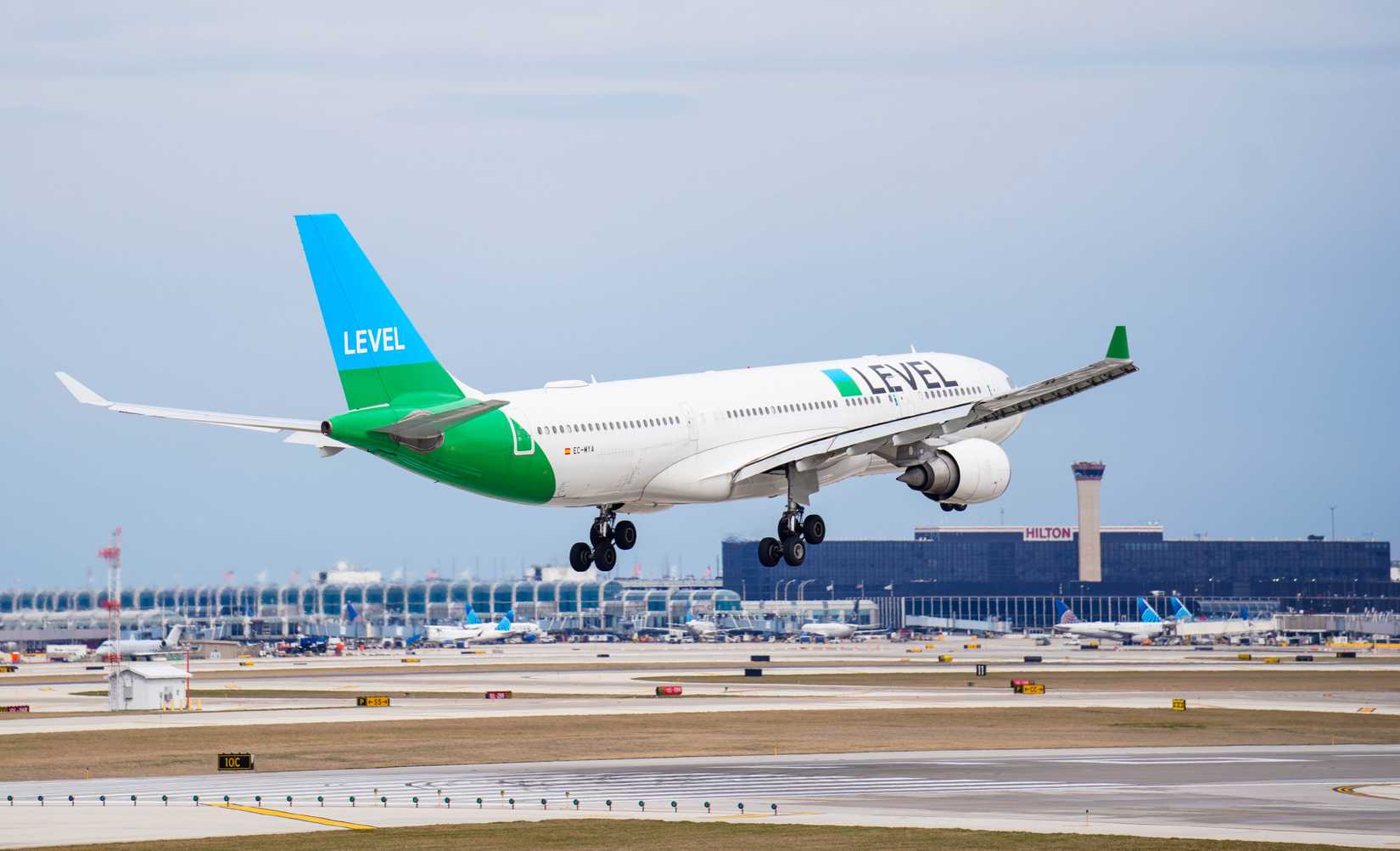
LEVEL, the long-haul low-cost carrier founded by International Airlines Group in 2017, has emerged as one of the only surviving transatlantic budget carriers by leveraging the structural and financial backing of a major airline group rather than attempting to operate as an independent startup. While Norwegian Air Shuttle collapsed in 2021 after operating a 35-aircraft Boeing 787 fleet, and Norse Atlantic Airways now faces an existential cash crisis with its stock down 99% since its 2021 listing, LEVEL has quietly sustained nearly a decade of operations from its hub at Barcelona-El Prat Airport. The airline initially operated without its own Air Operators Certificate, flying under Iberia's AOC until December 2024, when it received regulatory authorization as a standalone carrier. This structural evolution from brand to certified airline marks a meaningful operational maturation and positions LEVEL for deliberate, measured growth rather than the rapid overcapacity expansion that proved fatal to its competitors.
The economics underpinning LEVEL's comparative resilience are rooted in IAG's broader group infrastructure. Unlike Norwegian or Norse, which bore the full cost burden of independent fleet financing, maintenance networks, and distribution systems, LEVEL has been able to draw on Iberia's operational platform and IAG's consolidated purchasing power. The airline's Paris Orly operations previously piggybacked on OpenSkies, another IAG-owned entity, before that brand was absorbed during the pandemic rationalization. This model of operating as a brand within a larger group structure substantially lowers the capital exposure at the individual airline level, which is precisely why standalone long-haul low-cost carriers consistently fail to generate sustainable unit economics. Transatlantic routes require aircraft with high ownership costs, long turnaround cycles that reduce daily utilization, and yield management far more complex than the short-haul point-to-point model where true low-cost economics thrive.
For professional pilots and aviation operators, LEVEL's trajectory carries direct implications for how IAG may staff and crew its expanding transatlantic capacity. The December 2024 AOC issuance means LEVEL will now operate under its own crewing agreements and regulatory certificates rather than seconding Iberia crews, which has historically been a mechanism legacy carriers use to contain pilot cost structures on budget subsidiaries. Pilots employed at IAG group carriers—particularly at Iberia and Vueling—should monitor how LEVEL's staffing strategy develops, as the airline's growth footprint from Barcelona will compete for crew resources and potentially create new direct-entry or transfer pathways. Part 135 and international charter operators running transatlantic missions in business aircraft should also note LEVEL's expanding presence on routes including New York JFK, Boston, Los Angeles, Miami, and Lima, as the carrier's low fare stimulation historically increases total origin-destination traffic, which often correlates with elevated corporate travel budgets and business aviation demand in parallel markets.
The broader pattern illustrated by LEVEL's survival versus Norse's near-collapse reinforces a thesis increasingly evident across commercial aviation: the long-haul low-cost model is not independently viable at scale but can function as a subsidized growth vehicle within a diversified airline group. IAG explicitly created LEVEL in 2017 as a defensive measure against Norwegian's encroachment on its European home markets, meaning the airline's original purpose was competitive containment as much as profit generation. That strategic rationale—protecting Iberia and British Airways yields on transatlantic routes by offering a lower-cost option under the same parent umbrella—provides LEVEL with a business justification that pure low-cost independents never possessed. As consolidation accelerates across European aviation and several legacy carriers absorb or neutralize budget competition through subsidiary brands, LEVEL represents a durable template that other major groups may replicate on underserved long-haul corridors, with knock-on effects for route competition, crew demand, and yield environments across the North Atlantic.









 Read original article