Airbus Vs. Boeing: Which Manufacturer Delivered More Aircraft In May?
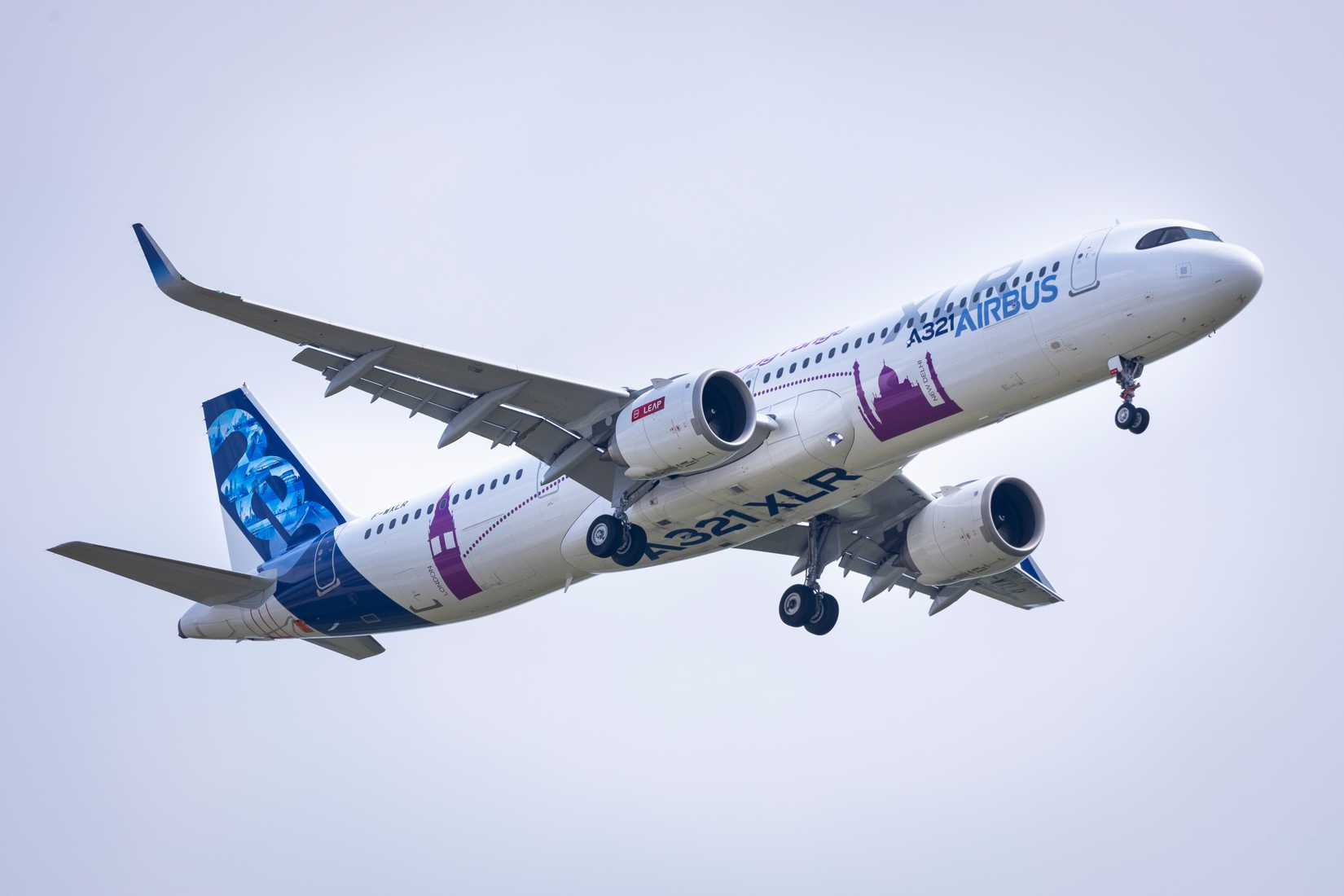
Airbus delivered 81 commercial aircraft to 45 customers in May 2026, outpacing Boeing's 60 deliveries by a margin of 35% and extending the European manufacturer's sustained lead in monthly output. Airbus's May figure represented a 59% year-over-year increase from 51 deliveries in May 2025 and its strongest single month of 2026 to date, driven in part by the resumption of handovers to Chinese operators following an earlier administrative disruption. Boeing, meanwhile, posted a 33% year-over-year gain, with 51 of its 60 deliveries consisting of 737 MAX aircraft — the highest monthly 737 MAX total since production resumed after the machinists' strike disruption in late 2024. Through five months of 2026, Airbus has delivered 262 aircraft against a full-year target of 870, while Boeing has reached 250 year-to-date deliveries including 198 737 MAX jets.
For airline operators and fleet planners, these figures carry direct operational significance. Aircraft deliveries determine when new routes can be launched, when aging equipment can be retired, and how quickly fuel-efficient narrowbodies and widebodies replace higher-cost legacy fleets. Boeing's 737 MAX recovery trajectory — with plans to raise monthly production from 42 to 47 aircraft this summer and a longer-term study targeting 70 per month — signals that carriers with large MAX orders on backlog may see contracted delivery slots begin to normalize after years of delays. The six 787 Dreamliner deliveries in May, combined with a 10-aircraft 787 order from Lufthansa, also indicate that the widebody segment is stabilizing, which matters to operators planning long-haul international growth and to Part 91K and charter operators that track large-cabin aircraft availability in the used and lease markets.
Boeing's backlog of 6,178 aircraft against Airbus's order lead — 762 net orders in 2026 alone compared to Boeing's 295 — reflects a structural imbalance that has compounded over several years of MAX groundings, production quality investigations, and regulatory scrutiny. Airbus CEO Guillaume Faury's reference to five consecutive years of order leadership underscores that Airbus's production ramp challenge is itself a consequence of sustained demand dominance, not a sign of weakness. For business aviation professionals who track OEM health as a proxy for component supply chain stability and aftermarket parts availability, Boeing's recovery matters beyond narrow commercial metrics: a stronger Boeing stabilizes the supplier ecosystem shared across commercial and business jet segments, including engine makers, avionics integrators, and cabin equipment vendors whose backlogs and financial health affect MRO lead times industry-wide.
The competitive picture heading into the second half of 2026 hinges on execution rather than demand. Both manufacturers face persistent constraints — Airbus with engine shortages and cabin equipment delays, Boeing with the complexity of accelerating 737 MAX rates while simultaneously managing 787 and 777X program timelines. Airlines placing orders today are booking deliveries well into the 2030s, meaning the current production battle shapes fleet composition decisions that will affect route economics, crew qualification requirements, and simulator training demand for the next decade. For flight departments and operators evaluating type transitions or lease agreements tied to OEM delivery schedules, the May data reinforces that Airbus holds the near-term execution advantage, while Boeing's recovery momentum, if sustained, could meaningfully tighten that gap before year-end.










 Read original article