American Airlines In Talks With Airbus & Boeing Over Replacement For Aging 777-200ERs
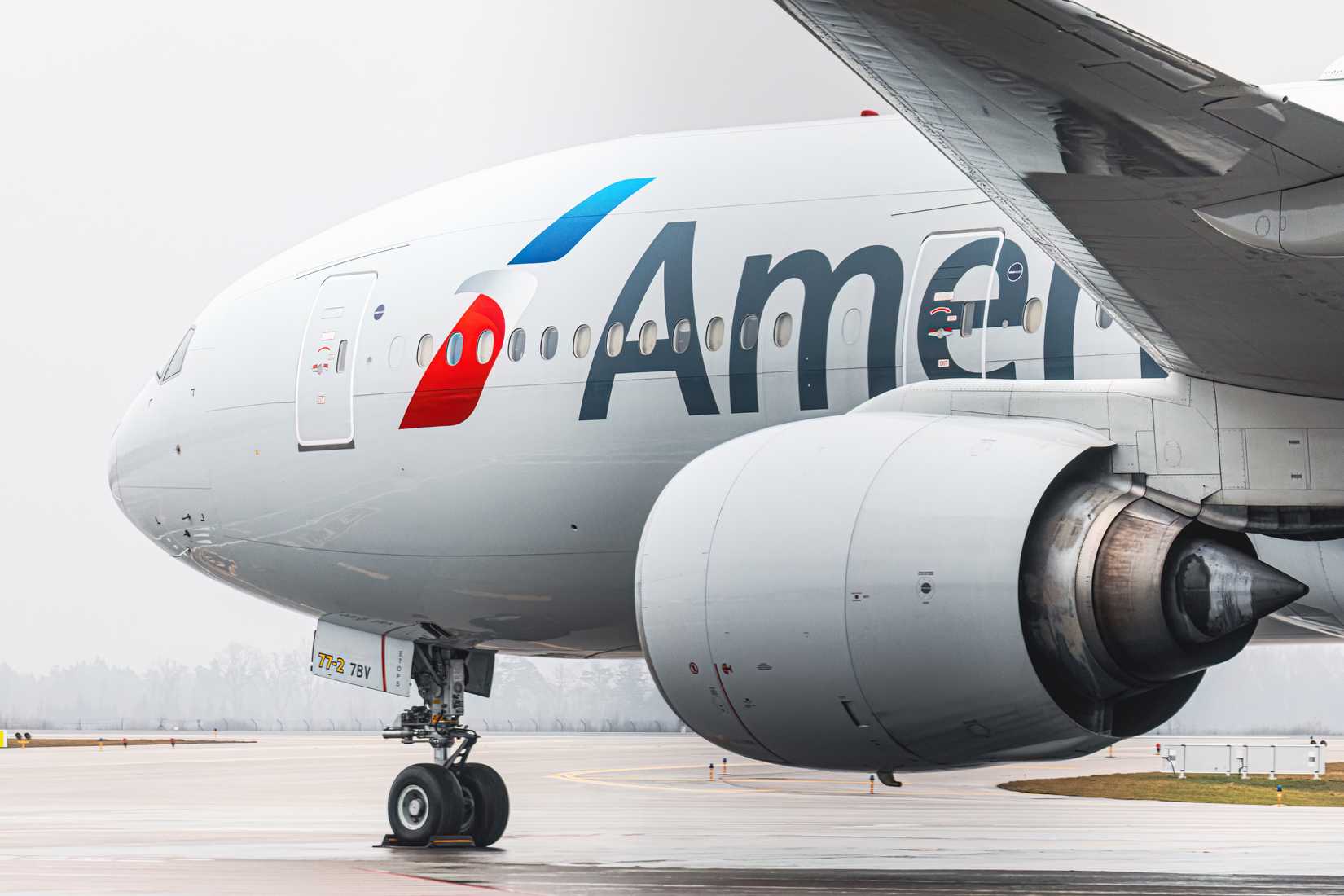
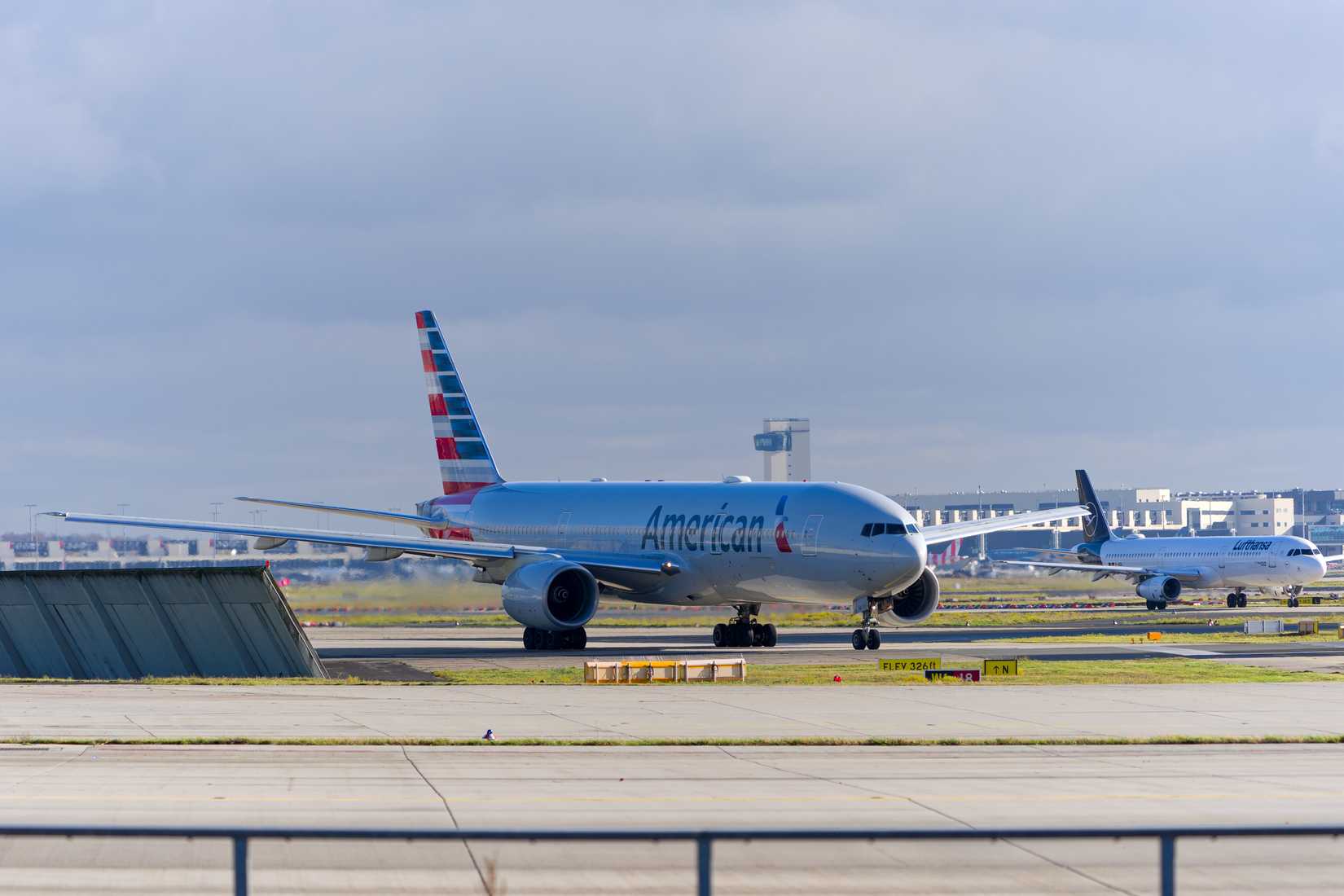
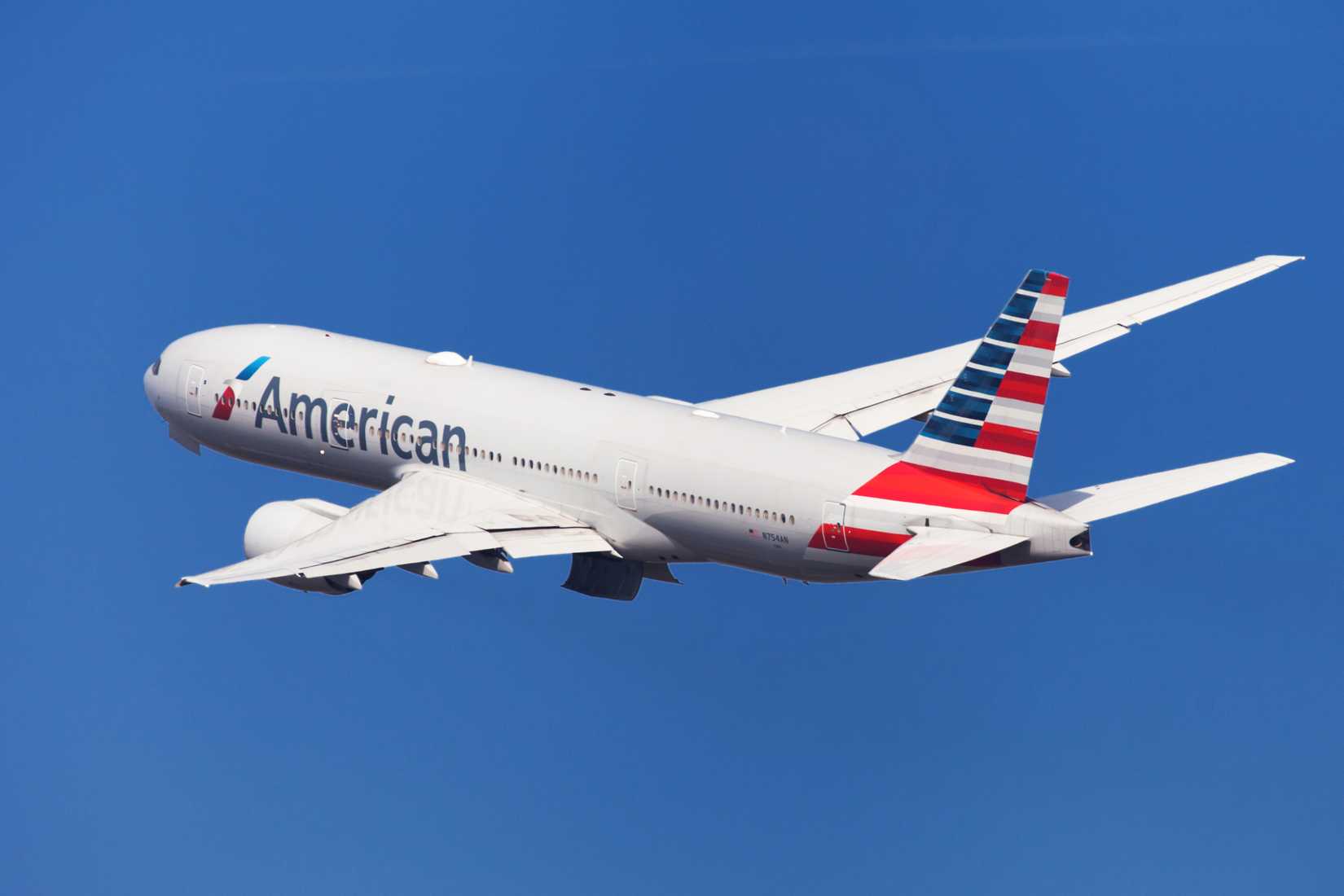
American Airlines CEO Robert Isom confirmed at the carrier's June 10 shareholder meeting that the airline has issued requests for proposals to both Boeing and Airbus to replace its fleet of 47 Boeing 777-200ERs, airframes that are now approaching 25 years of service. The announcement signals the formal opening of what will become one of the most consequential widebody procurement decisions in the airline's recent history. Isom explicitly cited the long lead times associated with widebody deliveries as justification for acting now, with retirements expected to unfold through the 2030s. The aging 777s will receive a final cabin upgrade cycle before retirement, preserving their revenue utility in the interim. The two primary candidates under evaluation are the Boeing 787 Dreamliner family and the Airbus A350-900, with both the 787-9 and A350-900 representing the closest capacity equivalents to the departing 273-seat triple sevens.
The operational case for expanding the existing Dreamliner fleet is substantial and straightforward. American already operates 70 787s across multiple variants, carries an active backlog of 19 787-9s with options on 28 more, and has accumulated deep institutional familiarity with the platform across flight operations, maintenance, and supply chain. The 787's type rating structure allows pilots to cross-qualify across the -8, -9, and -10 variants under a single type certificate, giving scheduling and crewing departments significant flexibility. The recently certified Increased Gross Weight upgrade on newer 787 deliveries further strengthens the case by extending payload-range performance that directly mirrors the mission profile the 777-200ER has served for decades — including both high-density hub operations and the lower-frequency long-and-thin international routes where unit economics are sensitive to seating capacity. For line pilots and fleet managers alike, consolidating on a single manufacturer's widebody family reduces the cognitive and procedural overhead of managing two distinct aircraft ecosystems.
Despite the compelling commonality argument, the article raises a risk calculus that experienced operators will recognize immediately: single-platform dependency creates systemic vulnerability. The 2019 Boeing 737 MAX grounding demonstrated with painful clarity how a fleet-wide operational hold can collapse an airline's network capacity without warning. American, Southwest, and Alaska all absorbed severe schedule damage during that period, and American operates across both narrow and widebody Boeing platforms. A spontaneous nose gear collapse on a one-year-old Lufthansa 787-9 at Frankfurt on June 4 — injuring crew and ground personnel — is a recent data point that, while isolated, illustrates how quickly a single mechanical event can escalate into a regulatory inquiry with delivery and operational implications. Acquiring approximately 50 A350-900s would split American's next-generation widebody fleet near-evenly between the two manufacturers, providing a meaningful hedge against any future grounding scenario affecting the 787 fleet.
The broader context for this decision sits within an industry-wide widebody supply crunch that gives both Boeing and Airbus considerable leverage. Delivery timelines for both the 787 and A350 families remain stretched due to supply chain constraints, skilled labor shortages, and persistent manufacturing quality reviews at Boeing's facilities. For airline planners and charter operators watching this space, the extended lead times Isom referenced are not rhetorical — they reflect a market reality in which a carrier must lock in widebody orders six to ten years ahead of need to secure meaningful delivery positions. The decision AA makes will also carry downstream effects for Part 135 and fractional operators who source used widebody iron from major carrier retirements; a structured 777-200ER drawdown through the 2030s will eventually produce a secondary market of airframes that feed long-range charter and ACMI operations. American's eventual fleet mix will set a template that other network carriers evaluating similar legacy widebody retirements — including legacy 767 and A330 operators — will study closely as they navigate the same constrained procurement environment.










 Read original article