Significant: Airbus A320 Family Now Has More Than 20,000 Orders
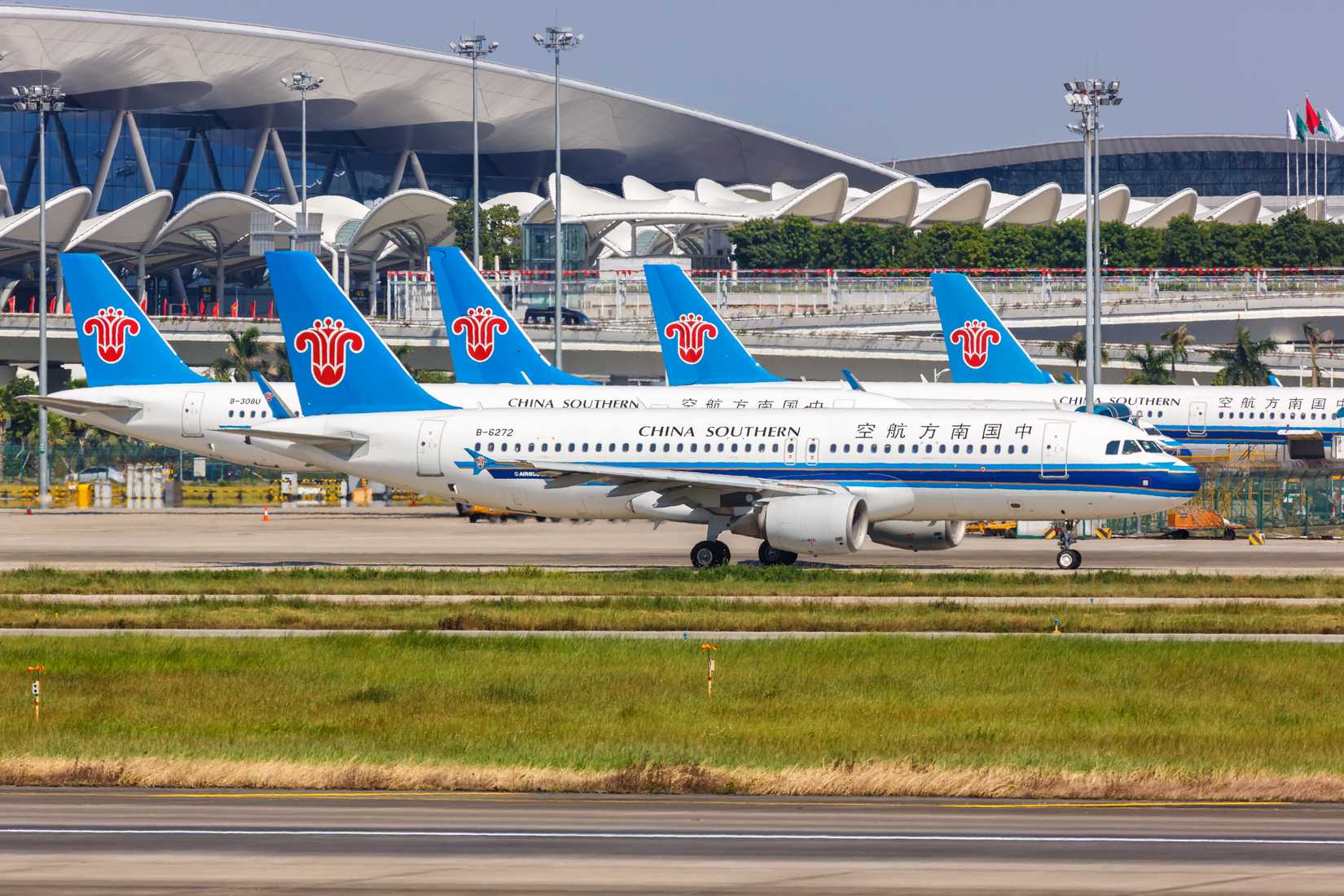
The Airbus A320 family surpassing 20,000 cumulative orders as of May 2026 represents a landmark achievement in commercial aviation history, confirming the European manufacturer's dominance in the global narrowbody market. The milestone was pushed over the threshold by 207 gross A320-family orders booked in May alone, bringing the program's cumulative total to 20,169 aircraft. China Southern Airlines accounted for the largest single order block with 102 aircraft — 79 of them A321neos — reinforcing Airbus's entrenched position in the Chinese market. Particularly notable was Xiamen Airlines' commitment to 35 additional A321neos, a carrier historically aligned with Boeing and one of China's largest 737 operators, signaling a meaningful shift in fleet allegiance. The A320 family now constitutes approximately 77% of all Airbus commercial aircraft orders ever placed, a concentration that underscores how completely the narrowbody program has defined the manufacturer's commercial identity.
The competitive gap between the A320 family and the Boeing 737 program continues to widen in ways that carry direct operational implications for pilots and aviation operators. Airbus holds a lead of nearly 3,000 orders over Boeing's 737 program — 20,169 versus 17,336 — despite the 737 having entered service nearly two decades earlier. On an annualized basis, the A320 family has averaged roughly 480 orders per year since launch compared to the 737's 280, and the divergence has accelerated sharply since 2020. In that six-year span, Airbus has booked approximately 4,875 net A320-family orders versus Boeing's roughly 2,200 net 737 orders — less than half the Airbus volume. For airline pilots and corporate flight departments tracking fleet trends, this order backlog imbalance has concrete consequences: A320-family variants will increasingly dominate narrowbody flying globally, and type ratings on Airbus narrowbodies will carry growing currency in airline hiring markets for years to come.
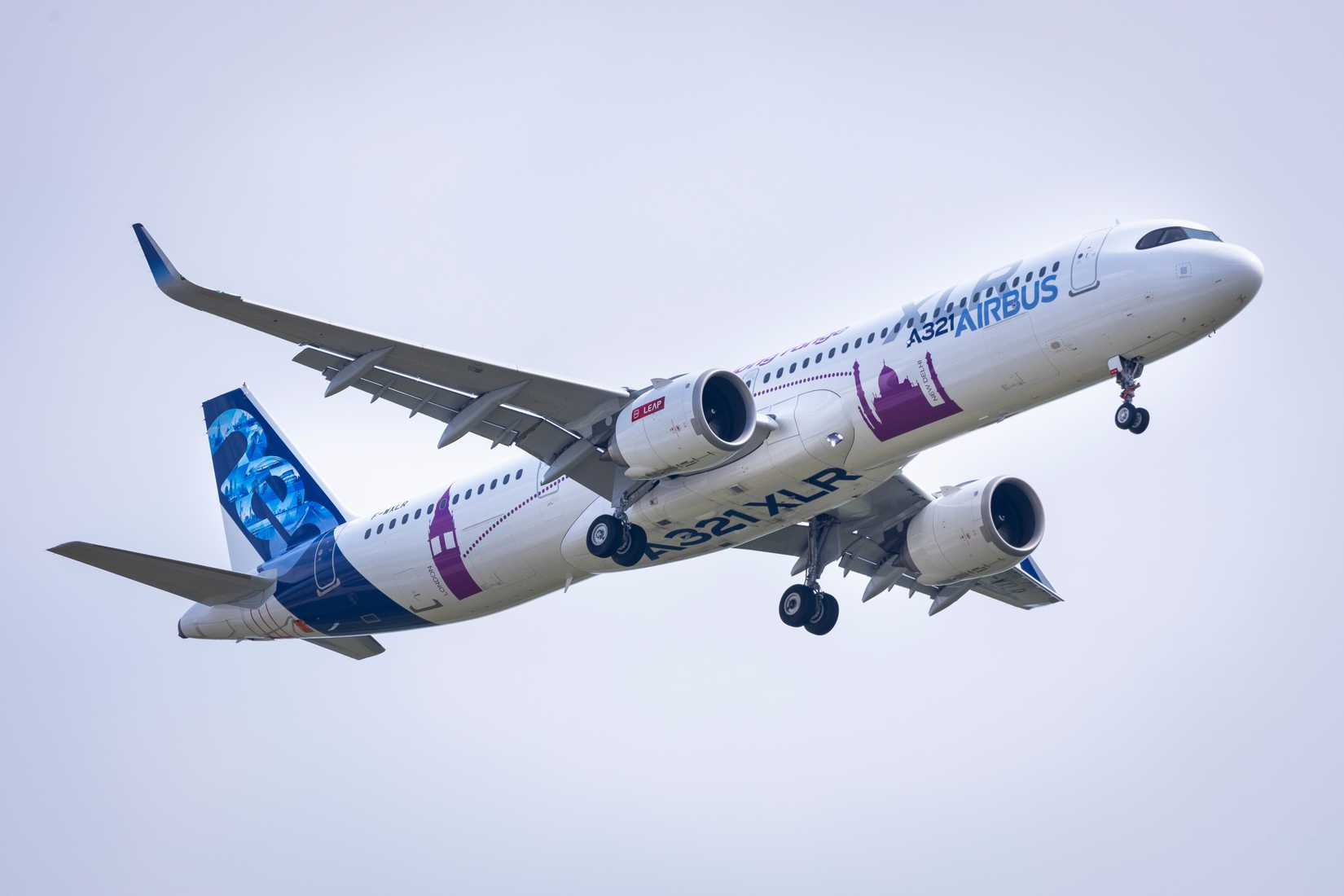
Within the A320 family itself, the center of gravity has shifted decisively toward the A321. The A321 variant has now surpassed the A320 in cumulative orders, with approximately 9,500 orders to the A320's 9,000, and the A321neo alone accounts for 7,739 of those — making it the most-ordered individual narrowbody variant in aviation history. This shift reflects a broader strategic reality in airline network planning: operators are increasingly finding the A321neo capable of handling routes that previously demanded widebody equipment, particularly on thinner transatlantic and transpacific sectors where the A321XLR variant opens new point-to-point possibilities without the economics of a twin-aisle. For pilots operating the A320 family, the practical result is that type-rated crews will spend proportionally more hours in A321-series cockpits as fleets evolve, and familiarity with the longer variant's handling characteristics, performance profiles, and extended-range operations will become increasingly marketable.
The broader competitive picture for Boeing remains challenging. While Boeing's 737 MAX order intake has shown recovery momentum in recent years, the manufacturer continues to operate from a structurally weaker position in backlog, production rate, and market perception following the dual crises of the MAX grounding and subsequent quality-control controversies. Airbus's production bottlenecks — primarily engine supply constraints from CFM International and Pratt & Whitney — remain the limiting factor on deliveries rather than demand, with 12,670 of the 20,169 A320-family orders still undelivered. For operators, that backlog represents years of constrained access to new narrowbody aircraft, sustaining strong values in the used A320-family market and keeping lease rates elevated. Part 135 operators, fractional programs, and regional carriers monitoring fleet transitions will find that access to new Airbus narrowbody slots remains a strategic competitive advantage, and the queue for delivery positions continues to lengthen as order momentum shows no sign of decelerating.










 Read original article