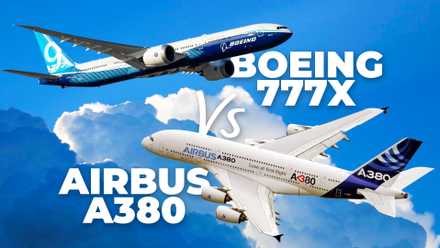
Here’s How Much Wider The Airbus A380 Is Compared To A Boeing 777X
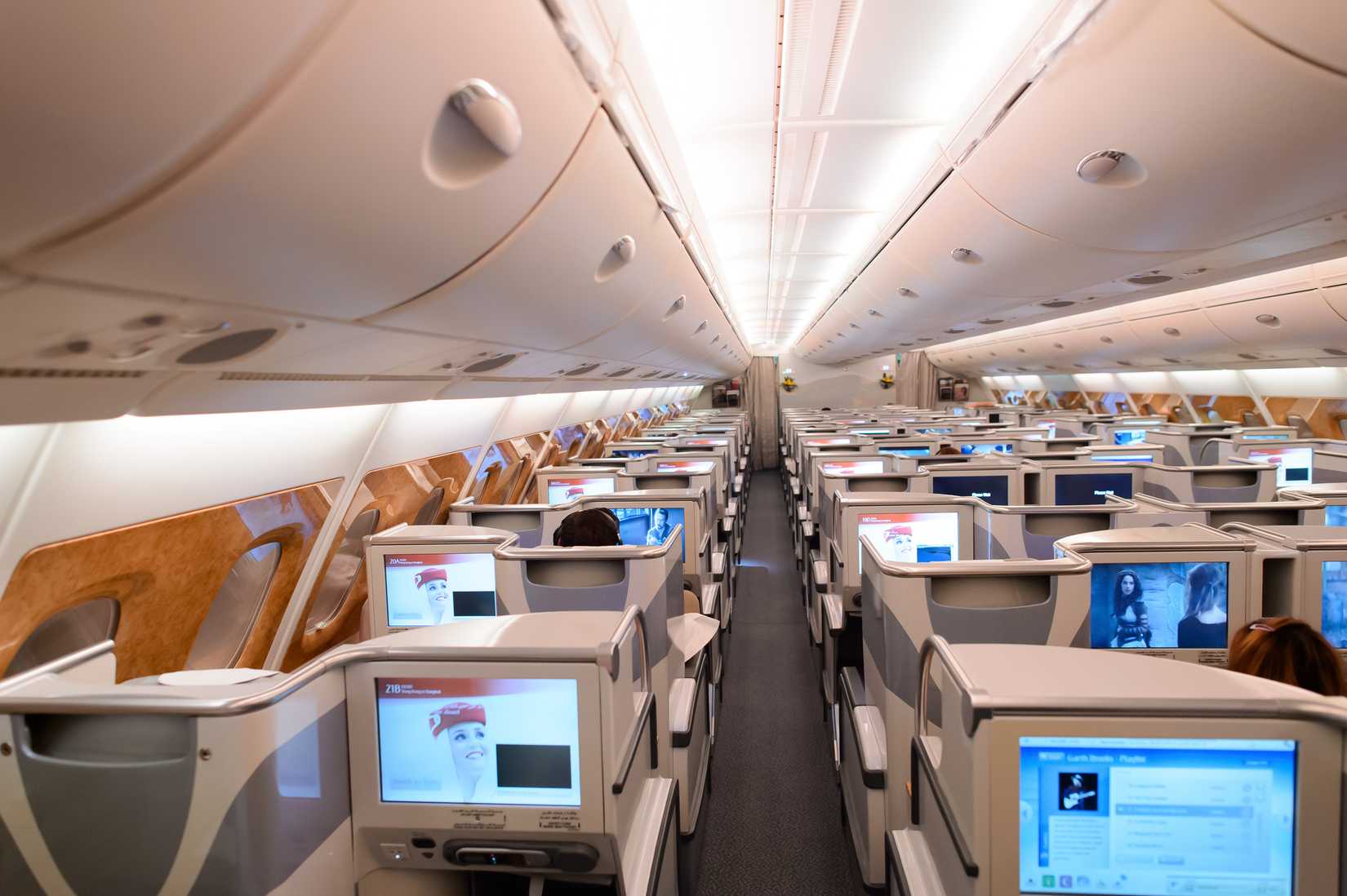
The Airbus A380's main deck cabin, at 21 feet 4 inches of usable internal width, remains the widest single passenger cabin ever placed in commercial service — nearly two feet broader than the upcoming Boeing 777X's 19-foot 7-inch interior. That margin is significant in operational terms: it is what allows every A380 operator to standardize on a 3-4-3 ten-abreast economy layout with genuine seat width, rather than the compressed 3-4-3 configurations that drew regulatory and passenger scrutiny when carriers began squeezing that configuration into the narrower 777-300ER. The 777X's four-inch gain over legacy 777 variants, achieved through thinner composite sidewalls and optimized insulation — a design evolution Airbus itself pioneered on the A380 — narrows the gap with the A350 family and gives the 777X a credible claim to be the most comfortable twin-engine wide-body available. Boeing's own marketing explicitly frames the 777X as an A350 competitor, not an A380 successor, which is a strategically honest positioning given that the A380's main-deck width still exceeds the 777X by one foot and nine inches.
For operators and fleet planners, the cabin geometry comparison carries direct revenue implications. Seat count, seat pitch, and aisle width are downstream consequences of fuselage internal diameter, and the A380's 6.5-meter main deck is what gives airlines the geometric flexibility to offer differentiated premium cabin products without sacrificing economy density. The 777-9, despite being physically longer than the A380's main deck by approximately 25 feet, is constrained to a maximum certificated capacity of 475 passengers — lower than the 777-300ER's 550-seat limit — due to exit door redesign requirements stemming from FAA certification rules around the 777X's new cabin door configuration. That regulatory ceiling is a meaningful factor for high-density operators who have historically relied on the 777-300ER's superior volumetric capacity relative to its operating cost.
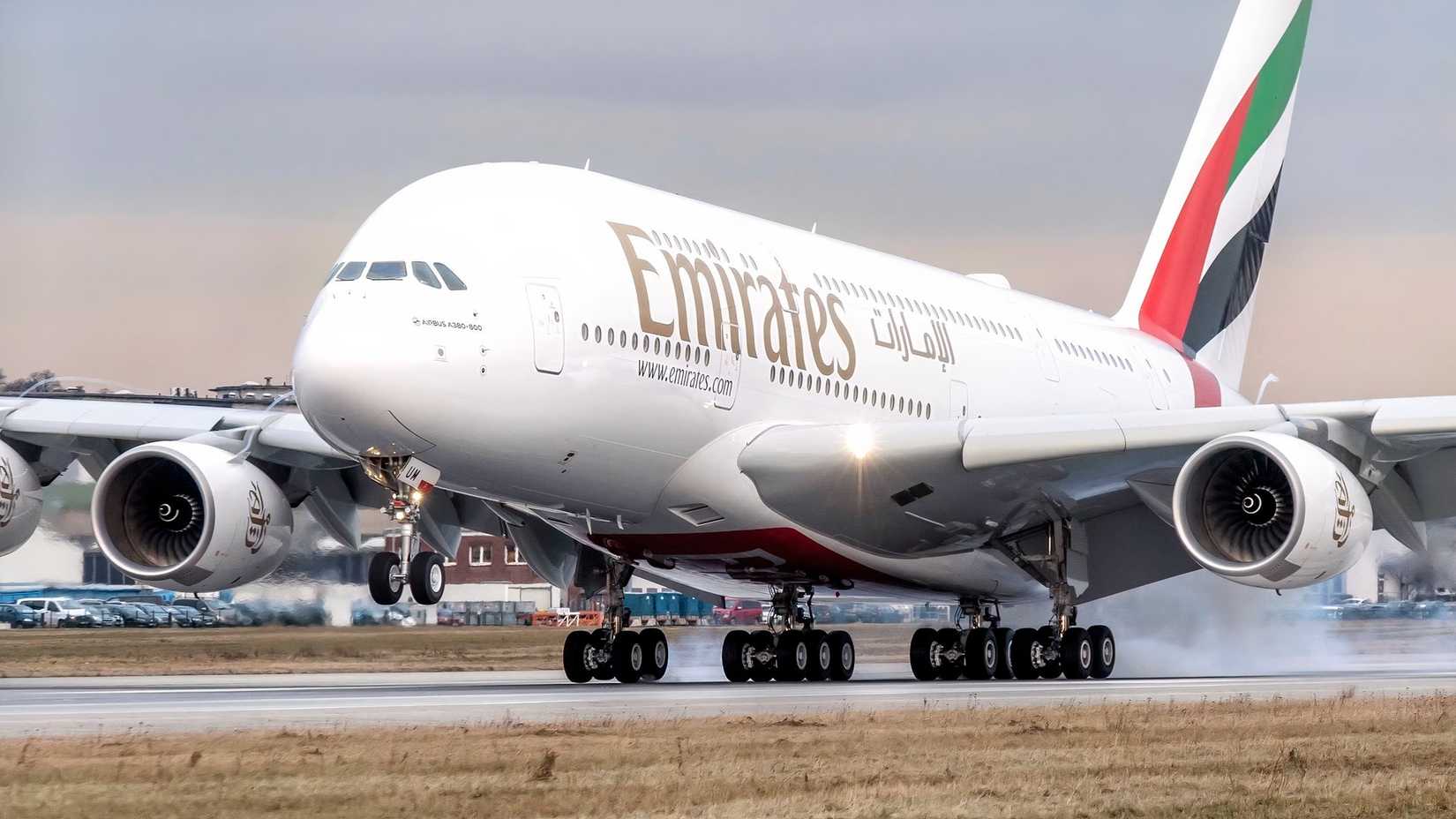
The broader commercial context is one of deliberate consolidation in the ultra-large widebody segment. Both the A380 and 747 programs have been terminated — in 2021 and 2023 respectively — leaving the 777X and A350 as the primary next-generation widebodies for long-haul operations. The A380's physical dimensions, particularly its main deck width, will not be replicated in any aircraft currently in development or on order. Airlines that built business models around the A380's capacity and cabin flexibility — Emirates most prominently, with over 115 frames in its fleet — will face a structural shift as those aircraft age without a like-for-like replacement. The 777-9 is a capable successor in range and operating economics, but it is a narrower, single-deck aircraft, and the reduction in cabin width from 21'4" to 19'7" is not a trivial tradeoff for carriers optimizing premium-cabin revenue per flight.
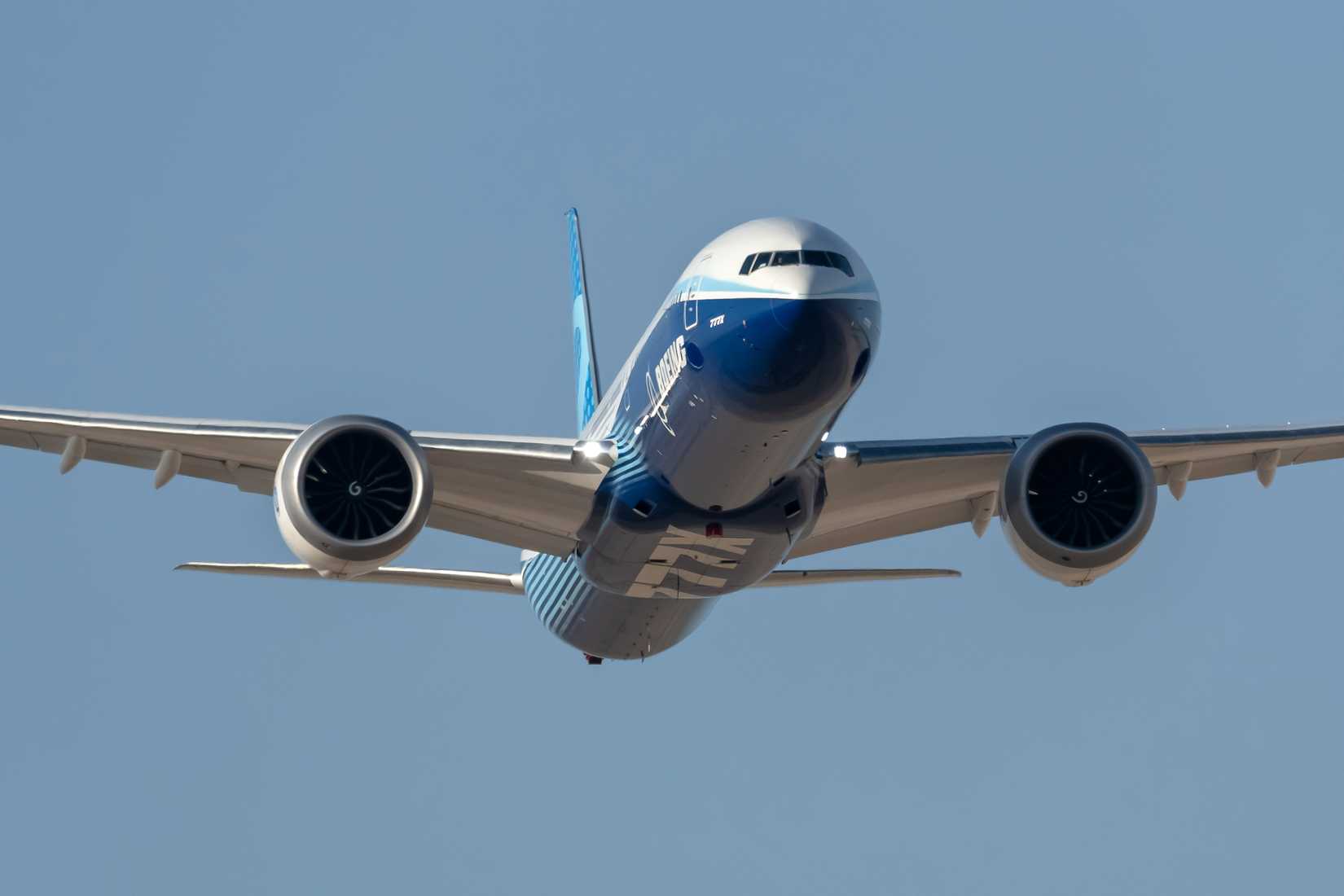
For professional crews, particularly those type-rated on or transitioning to the 777 family, the physical differences between the legacy -300ER and the 777X extend beyond cabin width. The folding wingtip system — required to maintain compatibility with existing gate infrastructure despite the 777X's expanded wingspan — introduces a novel ground operations consideration with no direct precedent in commercial airline practice. Operationally, the 777X's increased cabin length in the -9 variant will affect evacuation planning, crew rest requirements, and cabin crew positioning on ultra-long-range operations. The regulatory certification pathway for the 777X has been protracted, but as the aircraft moves toward entry into service, its interior geometry will become the new reference benchmark against which all twin-engine widebody passenger experience is measured — even as the A380's main deck remains the historical high-water mark for single-cabin interior volume in commercial aviation.









 Read original article